Post by : Sami Jeet
Inflammation is a normal immune response to injury or infection, but when it persists it can contribute to long-term conditions such as arthritis, cardiovascular disease, type 2 diabetes and some cancers. Fortunately, dietary habits play a key role in modulating inflammatory pathways.
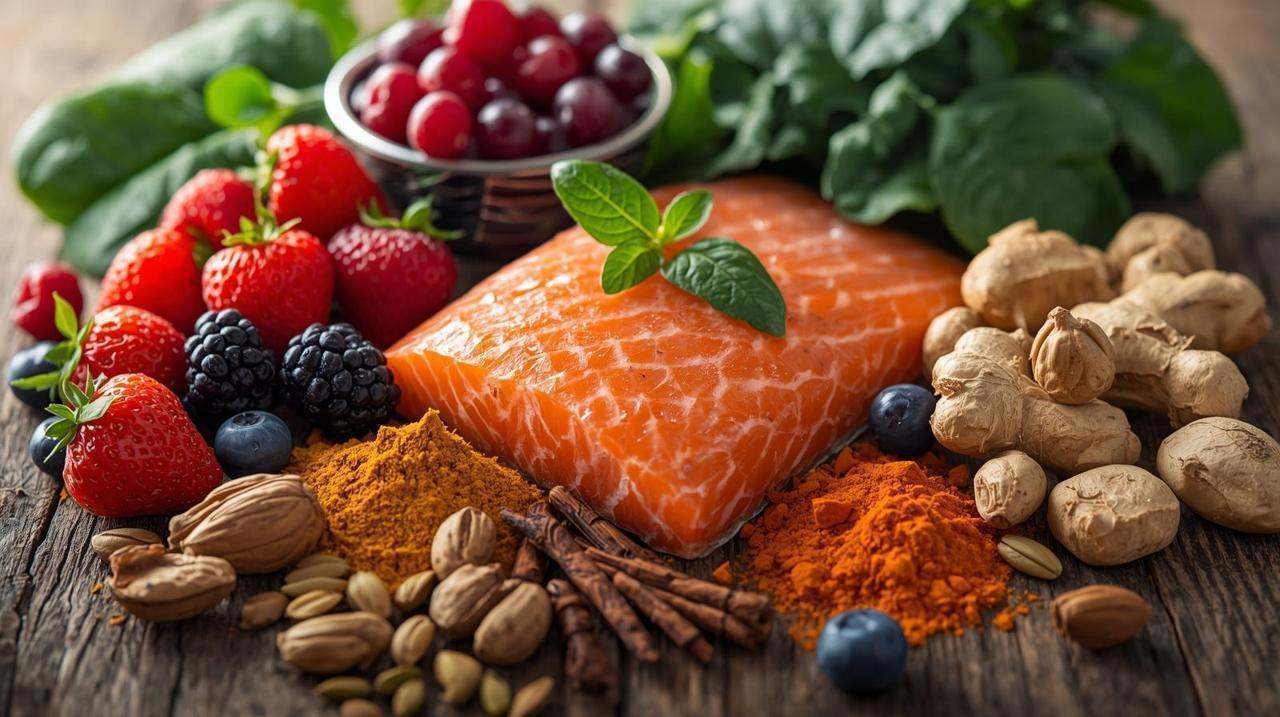
Medical professionals and nutrition scientists increasingly endorse diets built around minimally processed, nutrient-rich foods to help manage systemic inflammation, improve energy and support metabolic health. Below are seven foods commonly recommended by clinicians to include regularly for their anti-inflammatory effects.
Species such as salmon, mackerel, sardines and tuna are rich in long-chain omega-3 fatty acids (EPA and DHA). These fats downregulate pro-inflammatory signaling molecules and are linked to better cardiovascular and cognitive outcomes.
Practical note: Aim for fatty fish two to three times per week, or consider clinician-approved supplements if seafood intake is limited.
Vegetables like spinach, kale and Swiss chard supply antioxidants, vitamin K, magnesium and other micronutrients that protect cells from oxidative damage and help suppress inflammatory processes.
Integrate greens into salads, blended drinks or cooked dishes to increase intake without much effort.
Blueberries, strawberries, raspberries and blackberries contain flavonoids and anthocyanins—plant compounds shown to reduce markers of inflammation and support immune resilience.
They also provide a nutrient-dense alternative to sugary desserts, contributing fiber and phytonutrients.
Extra virgin olive oil is a primary fat in Mediterranean-style eating patterns and contains phenolic compounds such as oleocanthal, which exhibit anti-inflammatory activity comparable to low-dose nonsteroidal agents in some studies.
Use it for dressings, finishing dishes or low- to medium-heat cooking to maximize benefits.
Almonds, walnuts, chia and flaxseed provide a mix of omega-3s, vitamin E and fiber, nutrients associated with lower inflammation and more favorable lipid profiles.
A modest daily portion—about a small handful—can be an effective, nutrient-rich snack.
Turmeric contains curcumin, a compound with demonstrated anti-inflammatory and antioxidant effects in laboratory and clinical studies.
To enhance absorption, combine turmeric with black pepper and a dietary fat when adding it to soups, sauces or beverages.
Green tea is high in catechins and polyphenols that neutralize oxidative stress and have been associated with lower inflammatory markers and reduced cardiovascular risk in population studies.
Substituting green tea for sugar-sweetened drinks can provide a low-calorie source of protective compounds.
Reducing chronic inflammation does not necessarily require expensive supplements or restrictive regimens. Prioritizing whole, minimally processed foods—such as fatty fish, leafy greens, berries, olive oil, nuts, turmeric and green tea—can be an evidence-informed strategy to support long-term health.
Consistency and balance are essential: the greatest benefits are seen when these foods are part of an overall dietary pattern alongside regular activity and other healthy behaviours.










Anticipated Dates for UAE Eid Al Adha 2026 Unveiled by Astronomical Experts
Experts predict Eid Al Adha 2026 in the UAE to start on May 27, prompting early holiday planning amo

DAE Achieves Remarkable Growth in Q1 2026 With Record Revenue
Dubai Aerospace Enterprise announces impressive financial results for Q1 2026, reflecting a surge in

Price Increase for Sony PS5 in Southeast Asia Effective May 1
Sony announces a price increase for the PS5 across Southeast Asia starting May 1, 2026, impacting ga

Potential ‘Super El Niño’ in 2026: Understanding the Climate Risks
Could a Super El Niño emerge in 2026? Discover its implications and potential global climate impacts

Global Energy Crisis Intensifies: Markets React to Oil Supply Challenges
Markets are on edge as oil disruptions escalate, influencing prices and economic stability. Explore

Must-See Tourist Spots in London You Can't Overlook
Explore London's essential attractions, from royal landmarks to vibrant markets, ensuring an unforge




