Post by : Bianca Suleiman
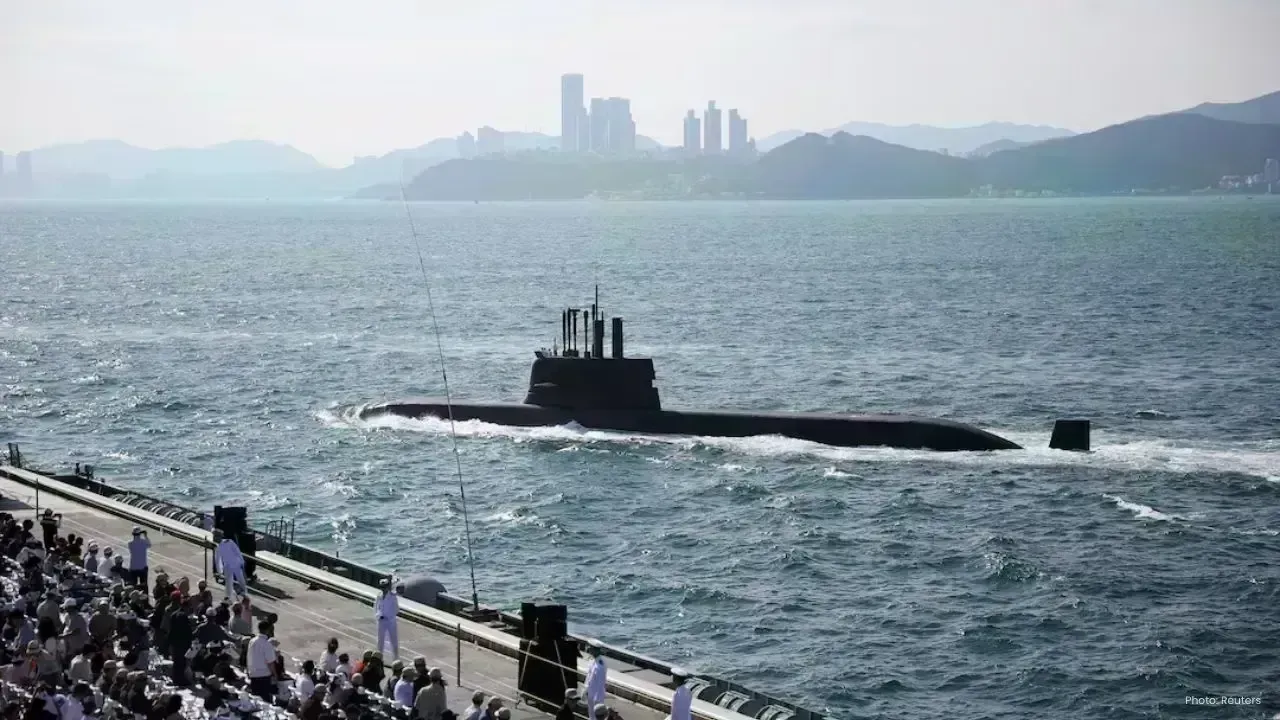
South Korea is ramping up its plans for nuclear-powered submarines following a pivotal endorsement from former President Donald Trump, marking a significant turn in American policy. This initiative is set to transform regional security dynamics and could ignite an arms race under the waves in East Asia.
Seoul aims to join the elite group of nations that operate nuclear submarines, driven by the necessity to counter North Korea’s escalating undersea capabilities, including submarine-launched ballistic missiles. Trump’s backing facilitates South Korea's access to nuclear fuel through a bilateral agreement, eliminating a critical hurdle for the initiative.
The regional implications of this development are profound. Experts predict that while China may respond cautiously, Japan could be compelled to reassess its own maritime strategy. Nuclear submarines offer enhanced speed, greater underwater endurance, and a wider operational scope, potentially recalibrating the naval balance in the region.
South Korea’s endeavors are built on years of groundwork. The country’s exploration of nuclear submarine technology dates back to 1994 amidst tensions over North Korea’s nuclear ambitions. Technical obstacles have delayed progress, yet South Korea has diligently advanced its capabilities independently, working on submarine designs and inching closer to reactor assembly. Defence officials anticipate that the first submarine could be operational within a decade, with plans for at least four 5,000-ton nuclear vessels.
North Korea has cautioned that this development might incite a “nuclear domino” effect, amid speculation that it is receiving technical support from Russia. While Japan has recognized nuclear propulsion as a potential option, it has not yet initiated formal assessments.
From the U.S. perspective, its support is framed as part of a broader strategy to enhance deterrence and fortify alliances in the face of growing military assertiveness from China. South Korea insists that its program is defensive and strictly aimed at addressing North Korean threats, reaffirming its dedication to the global non-proliferation treaty.
As South Korea positions itself as a leader in naval development in the region, the upcoming years may significantly alter the landscape of undersea combat in East Asia, with nuclear submarines playing a crucial role in establishing a new strategic equilibrium.









Mattel Revives Masters of the Universe Action Figures Ahead of Film Launch
Mattel is reintroducing Masters of the Universe figures in line with its upcoming film, tapping into

China Executes 11 Members of Criminal Clan Linked to Myanmar Scam
China has executed 11 criminals associated with the Ming family, known for major scams and human tra
US Issues Alarm to Iran as Military Forces Deploy in Gulf Region
With a significant military presence in the Gulf, Trump urges Iran to negotiate a nuclear deal or fa

Copper Prices Reach Unprecedented Highs Amid Geopolitical Turmoil
Copper prices soar to all-time highs as geopolitical tensions and a weakening dollar boost investor

New Zealand Secures First Win Against India, Triumph by 50 Runs
New Zealand won the 4th T20I against India by 50 runs in Vizag. Despite Dube's impressive 65, India