Post by : Naveen Mittal
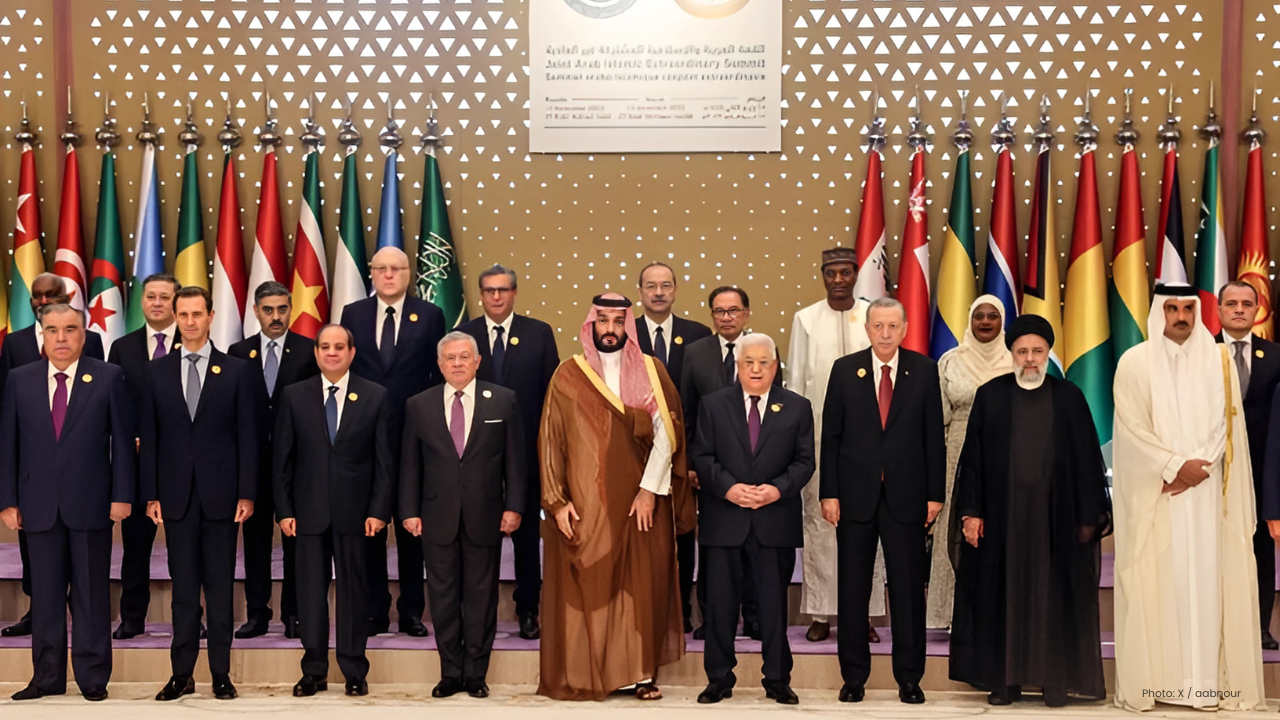
In a major development that could reshape the balance of power in the Middle East and South Asia, Saudi Arabia and Pakistan have signed a mutual defense pact. The agreement marks a significant step in military cooperation between the two countries. Leaders from both sides declared that any attack on one nation would be treated as an attack on the other.
The deal comes at a sensitive time. Gulf Arab states, once heavily dependent on the United States for security, are now questioning America’s reliability. Recent attacks in the region, including Israel’s strike on Qatar, have increased concerns about regional stability.
For years, Saudi Arabia and Pakistan have maintained close ties. Both countries share deep cultural, religious, and strategic bonds. Pakistan has long provided military training and manpower to Saudi Arabia, while Riyadh has offered financial assistance and investments to Islamabad.
Now, by putting these ties into a formal defense agreement, both countries are signaling to the world that their partnership is not just symbolic but practical and binding. The pact includes full military cooperation, joint deterrence, and a commitment to defend one another against external aggression.
The timing of this agreement is crucial. In recent months, the Middle East has witnessed turmoil:
Israel’s airstrikes on Doha, aimed at Hamas leaders, shocked Arab states.
Qatar, despite acting as a mediator in peace efforts, has been attacked twice in the past year—once by Iran and once by Israel.
The Gaza conflict has worsened regional mistrust and insecurity.
Meanwhile, Pakistan has also faced its own challenges. Just months ago, it engaged in a brief but tense military clash with India, its long-time rival and another nuclear power. This situation highlights the risks Pakistan faces in its neighborhood.
After the signing, Pakistan’s Prime Minister Shehbaz Sharif embraced Saudi Crown Prince Mohammed bin Salman. Both leaders praised the agreement as a commitment to peace and security not just for their countries but for the wider region.
A statement from Pakistan’s Prime Minister’s Office declared: “This agreement reflects the shared commitment of both nations to enhance their security and achieve peace in the region and the world. Any aggression against either country shall be considered aggression against both.”
Pakistan’s Army Chief, Field Marshal Asim Munir — widely regarded as the most powerful figure in the country — also attended the signing, underlining the military’s central role in this partnership.
India, Pakistan’s rival and another nuclear power, reacted cautiously. A spokesperson from India’s Ministry of External Affairs said that New Delhi was “aware of the development” and would study its implications for India’s security and regional stability.
Saudi Arabia, however, was quick to reassure that the pact is not directed at India or any specific country. A senior Saudi official noted: “Our relationship with India is more robust than it has ever been. We will continue to grow this relationship and seek to contribute to regional peace whichever way we can.”
This statement reflects Riyadh’s delicate balancing act — strengthening ties with Pakistan while also maintaining good relations with India.
One sensitive question raised was whether Pakistan would extend its “nuclear umbrella” to Saudi Arabia under the defense pact. Pakistan is one of the few countries in the world with nuclear weapons.
The Saudi official avoided a direct answer but emphasized that the deal covers “all military means” to ensure mutual defense. This leaves open the possibility of deeper cooperation, though without openly confirming nuclear guarantees.
Saudi officials stressed that this agreement is the result of years of discussions. It is not a knee-jerk reaction to the current conflicts but rather the formalization of a deep and historic relationship.
Still, the regional backdrop — wars, airstrikes, and shifting alliances — makes the deal particularly significant at this moment.
The pact could change the way other countries in the region think about their security. For decades, Gulf monarchies looked to the United States as their main protector. But now, with rising doubts about Washington’s willingness to intervene, countries like Saudi Arabia are strengthening ties with regional powers such as Pakistan.
This agreement also sends a clear message to Israel and Iran, both active players in the region’s conflicts. By joining forces, Saudi Arabia and Pakistan are signaling that they will stand together against aggression.
The Saudi-Pakistan defense pact is more than just a military agreement — it is a statement of solidarity. It shows the two countries’ determination to defend one another, preserve regional stability, and act independently of outside powers.
While questions remain about how the pact will work in practice, one thing is clear: this deal has the potential to shift the balance of power across the Middle East and South Asia.








Anticipated Dates for UAE Eid Al Adha 2026 Unveiled by Astronomical Experts
Experts predict Eid Al Adha 2026 in the UAE to start on May 27, prompting early holiday planning amo

DAE Achieves Remarkable Growth in Q1 2026 With Record Revenue
Dubai Aerospace Enterprise announces impressive financial results for Q1 2026, reflecting a surge in

Price Increase for Sony PS5 in Southeast Asia Effective May 1
Sony announces a price increase for the PS5 across Southeast Asia starting May 1, 2026, impacting ga

Potential ‘Super El Niño’ in 2026: Understanding the Climate Risks
Could a Super El Niño emerge in 2026? Discover its implications and potential global climate impacts

Global Energy Crisis Intensifies: Markets React to Oil Supply Challenges
Markets are on edge as oil disruptions escalate, influencing prices and economic stability. Explore

Must-See Tourist Spots in London You Can't Overlook
Explore London's essential attractions, from royal landmarks to vibrant markets, ensuring an unforge




