Post by : Priya
Photo:AFP
Russia has officially claimed its first territorial gain in a new region of Ukraine, raising the stakes in the long-running war. The Russian Defense Ministry has stated that troops have captured strategic positions in Ukraine's northeastern Kharkiv region. This development marks a new phase in the war that began in February 2022, with renewed fears of a deeper and more intense military conflict.
The capture of land in Kharkiv comes amid heavy fighting and intense artillery shelling. Ukrainian officials have confirmed that their troops are facing strong Russian offensives, particularly near the border town of Vovchansk. Although Kyiv has not officially acknowledged the loss of territory, the situation on the ground indicates a significant escalation.
The Strategic Importance of Kharkiv
Kharkiv is Ukraine's second-largest city and a major industrial center. Located in the northeast of the country, it is close to the Russian border. Since the beginning of the war, Kharkiv has been under regular attack but has remained under Ukrainian control.
The recent Russian advance into this region is significant for several reasons:
The Current Situation on the Ground
According to reports from Moscow, Russian forces have taken control of several villages near Vovchansk, a town located close to the Russia-Ukraine border. These positions are being fortified as Russian troops prepare for a larger push.
Ukrainian military officials, while confirming increased clashes in the area, have not admitted to losing ground. They maintain that Ukrainian forces are fighting back fiercely and are inflicting heavy casualties on the invading troops.
Civilians in the region have reported non-stop shelling, damaged infrastructure, and growing fear. Evacuations are underway in several areas close to the frontlines. Humanitarian organizations are racing to provide shelter, food, and medical assistance.
What Moscow Says
The Russian Ministry of Defense has released statements saying that their troops are advancing steadily and have taken "full control" of certain key zones. The Kremlin insists that its military campaign is focused on what it calls "demilitarization and denazification" of Ukraine.
President Vladimir Putin has made it clear that Russia will continue military operations until it reaches all of its strategic goals. He has rejected calls for a ceasefire and accused Ukraine and its Western allies of prolonging the conflict.
Russian state media has highlighted the success in Kharkiv as a turning point in the war. However, independent observers say the situation remains fluid and any gains could be temporary.
Ukraine’s Response and Western Support
Ukrainian President Volodymyr Zelenskyy has responded by calling on Western allies to increase military aid. He emphasized the need for more air defense systems, artillery, and ammunition to defend the country’s eastern front.
"We need more help, and we need it fast," Zelenskyy said in a recent address. "Our soldiers are brave and determined, but they need the tools to win."
The United States, United Kingdom, and several European Union countries have pledged continued support. NATO has reiterated its commitment to Ukraine, though it has not offered membership during the ongoing conflict.
Civilians Caught in the Crossfire
The latest fighting has had a devastating impact on civilians. Thousands of families are fleeing their homes in search of safety. Local officials estimate that over 10,000 people have already been displaced from Kharkiv and surrounding areas.
Hospitals are overwhelmed, and many schools and homes have been destroyed. The humanitarian crisis is growing, with aid groups warning of shortages of food, water, and medicine.
International humanitarian agencies are appealing for more donations and access to conflict zones to deliver aid. The United Nations has condemned attacks on civilian infrastructure and has called for immediate protection of non-combatants.
Why This Matters Globally
The Russian advance in Kharkiv is not just a local military issue—it has global consequences:
Wider Regional Threat: A successful Russian push into northeastern Ukraine could destabilize neighboring areas and bring the war closer to NATO borders.
Energy Security: Ukraine is a major route for natural gas pipelines. Continued conflict disrupts energy supplies, particularly to Europe.
Economic Impact: The war continues to affect global markets, including food prices, as Ukraine is a major grain exporter.
Human Rights Concerns: Reports of civilian casualties, forced evacuations, and destruction of homes have raised concerns of possible war crimes.
Diplomatic Efforts Remain Stalled
So far, attempts at diplomatic resolution have failed. Peace talks remain frozen, and trust between Russia and Ukraine is at an all-time low. International efforts, led by Turkey, the United Nations, and others, have not produced any lasting solutions.
Western sanctions against Russia remain in place, but Moscow shows no signs of backing down. Ukraine, on the other hand, insists that no talks are possible without the full withdrawal of Russian troops.





Mattel Revives Masters of the Universe Action Figures Ahead of Film Launch
Mattel is reintroducing Masters of the Universe figures in line with its upcoming film, tapping into

China Executes 11 Members of Criminal Clan Linked to Myanmar Scam
China has executed 11 criminals associated with the Ming family, known for major scams and human tra
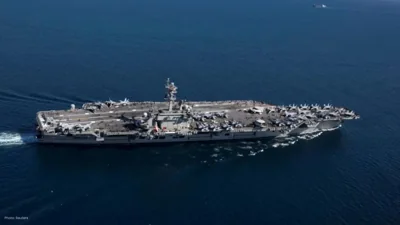
US Issues Alarm to Iran as Military Forces Deploy in Gulf Region
With a significant military presence in the Gulf, Trump urges Iran to negotiate a nuclear deal or fa

Copper Prices Reach Unprecedented Highs Amid Geopolitical Turmoil
Copper prices soar to all-time highs as geopolitical tensions and a weakening dollar boost investor
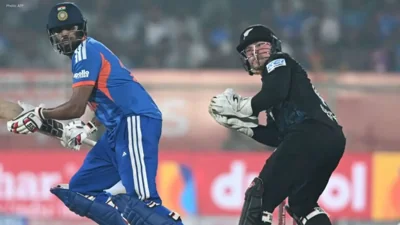
New Zealand Secures First Win Against India, Triumph by 50 Runs
New Zealand won the 4th T20I against India by 50 runs in Vizag. Despite Dube's impressive 65, India