Post by : Saif Nasser
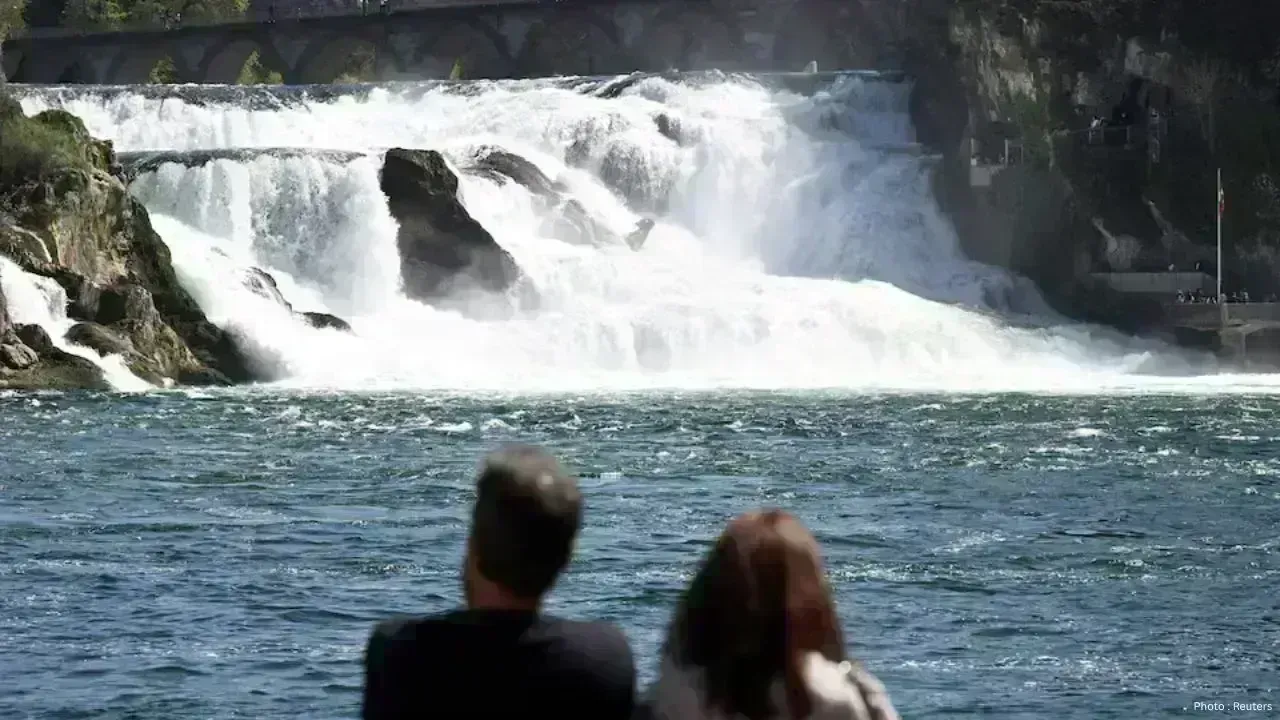
Germany’s Rhine River has shown signs of recovery after days of steady rainfall increased water levels across several important shipping routes. The improvement has allowed cargo vessels to carry larger loads again, bringing relief to transport companies, factories, and businesses that depend on the river for trade and supplies.
The Rhine River is one of Europe’s busiest waterways and plays a major role in the economy. It carries coal, fuel, chemicals, grains, steel, and industrial products between major cities and ports. When water levels fall too low, ships cannot operate at full capacity, creating delays and increasing transportation costs.
In recent weeks, dry weather and low rainfall caused the Rhine’s water levels to drop sharply in several areas of Germany. Many cargo ships were forced to reduce the amount of goods they carried because parts of the river became too shallow. Shipping companies also introduced higher freight charges to cover additional operating costs.
The recent rain has now improved the situation. Water levels have risen in key sections of the river, especially in northern Germany, allowing many vessels to return to near-normal operations. Important shipping points such as Duisburg, Cologne, and Kaub have reported better sailing conditions, though some areas still require ships to operate with limited cargo loads.
The recovery is important for Germany’s industrial sector. Many factories depend on regular deliveries through the Rhine River because water transport is often cheaper and more efficient than road or rail transport. Low river levels can slow production, increase fuel costs, and create supply chain problems across Europe.
The situation also highlights the growing impact of changing weather patterns on Europe’s transport systems. Experts have warned that climate-related problems such as droughts, heatwaves, and irregular rainfall are becoming more common. Rivers like the Rhine are highly sensitive to these environmental changes.
Germany has experienced similar problems before. During previous drought periods, low Rhine water levels caused major shipping disruptions and affected industrial production. Businesses across Europe faced higher costs as companies searched for alternative transport methods.
Although the latest rainfall has brought temporary relief, concerns remain about future weather conditions. If dry weather returns during the summer months, water levels could fall again and create fresh challenges for shipping companies and industries.
Many experts believe governments and businesses will need to invest in better climate preparation in the coming years. This could include improving water management systems, developing ships designed for shallow waters, and strengthening alternative transport networks.
The Rhine River remains one of Europe’s most important economic routes. Its recovery after recent rainfall has provided short-term stability for cargo transport and trade. However, the situation also serves as a reminder that climate change and extreme weather can directly affect economies, industries, and everyday life across the continent.







Anticipated Dates for UAE Eid Al Adha 2026 Unveiled by Astronomical Experts
Experts predict Eid Al Adha 2026 in the UAE to start on May 27, prompting early holiday planning amo

DAE Achieves Remarkable Growth in Q1 2026 With Record Revenue
Dubai Aerospace Enterprise announces impressive financial results for Q1 2026, reflecting a surge in

Price Increase for Sony PS5 in Southeast Asia Effective May 1
Sony announces a price increase for the PS5 across Southeast Asia starting May 1, 2026, impacting ga

Potential ‘Super El Niño’ in 2026: Understanding the Climate Risks
Could a Super El Niño emerge in 2026? Discover its implications and potential global climate impacts

Global Energy Crisis Intensifies: Markets React to Oil Supply Challenges
Markets are on edge as oil disruptions escalate, influencing prices and economic stability. Explore

Must-See Tourist Spots in London You Can't Overlook
Explore London's essential attractions, from royal landmarks to vibrant markets, ensuring an unforge




