Post by : Shweta
NATO officials have voiced a strong sense of assurance in the alliance's future amid increasing tensions with Iran and a precarious situation in the Strait of Hormuz. This ongoing crisis has emerged as a significant global security issue, raising alarms that further escalation could jeopardize energy supplies and provoke military instability throughout the Middle East.
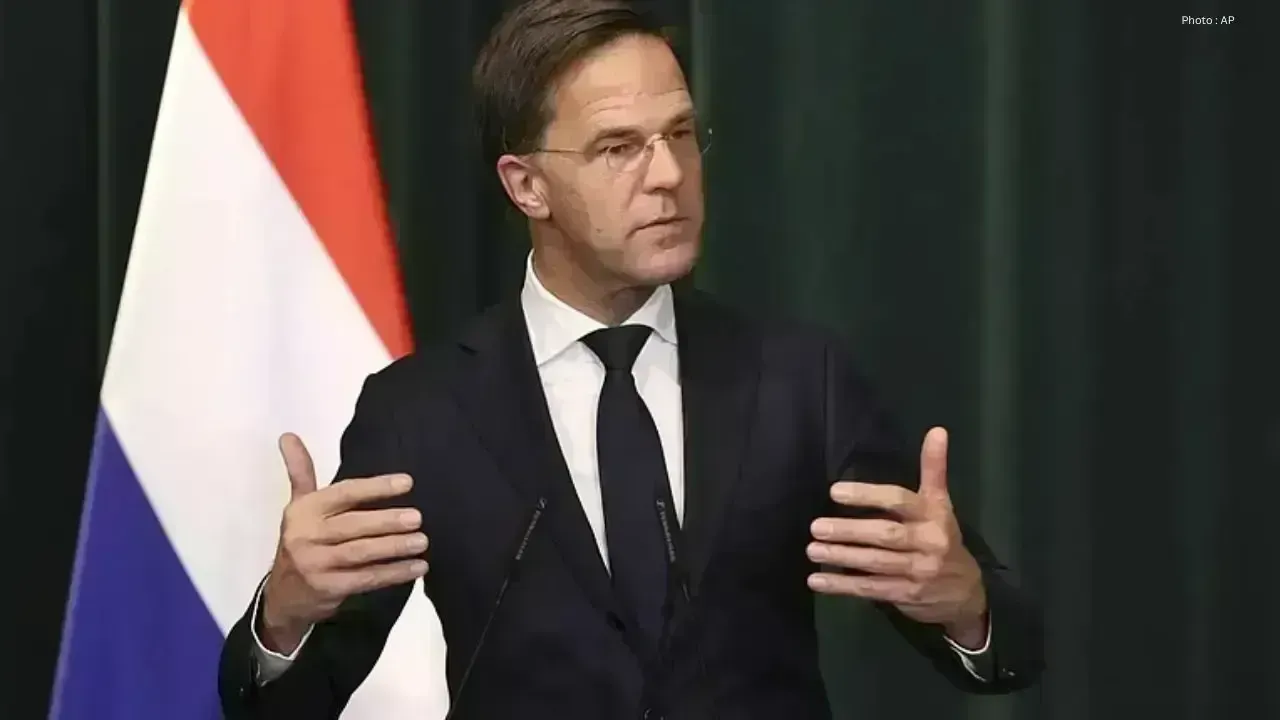
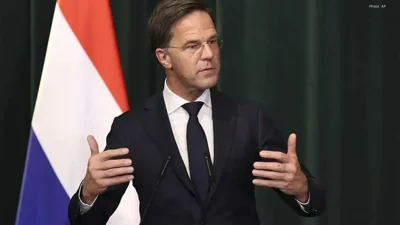
Secretary General Mark Rutte conveyed the alliance's optimism regarding NATO's enduring strength, even as discussions surrounding Iran and maritime security dominate international dialogues. During his recent engagements in Europe, Rutte underscored the need for NATO nations to collaborate closely in crafting a response to the evolving Gulf situation.
Central to the crisis is the Strait of Hormuz, a vital artery for oil shipments. Approximately 20 percent of the world's oil and liquefied natural gas traverses these waters daily. Any disruptions can directly impact global energy pricing, supply, and trade dynamics.
The escalation in tensions follows skirmishes involving Iran, the U.S., and allied nations, which have resulted in assaults on commercial vessels and military maneuvers threatening oil tankers in the area. Reports indicate that maritime activities in certain stretches of the Strait of Hormuz have considerably slowed due to ongoing security threats.
As the crisis deepens, NATO representatives emphasize their readiness to uphold regional security if required. Mark Rutte noted that discussions are ongoing among NATO allies to devise strategies for ensuring the protection of maritime routes and enhancing stability in the Gulf. Additionally, several nations are contemplating military or logistical support if the circumstances deteriorate further.
However, the unfolding crisis has revealed some internal disagreements within NATO. Reports suggest that several European nations are hesitant to engage in direct military action, fearing that it might exacerbate tensions with Iran and spark a wider regional conflict. Conversely, other NATO members stress the necessity of safeguarding global shipping routes for both economic and energy security.
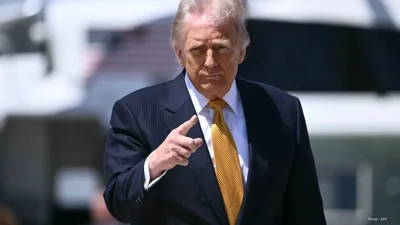
U.S. President Donald Trump has criticized some NATO members for their perceived inadequate response to the Hormuz crisis, calling for greater naval support and collaboration in protecting commercial vessels. His remarks have stirred tensions within the alliance, despite efforts by NATO leaders to present a united front.
Germany, France, and Britain are backing diplomatic initiatives aimed at de-escalating tensions while also evaluating potential security measures to secure shipping lanes. European leaders maintain that preventing a larger conflict remains a priority while safeguarding international trade and energy supplies.
The escalating crisis has also cast a shadow over global financial markets, with oil prices experiencing instability as investors keep a close watch on developments in the Gulf. Analysts warn that significant attacks on maritime infrastructure or a complete blockade of the Strait of Hormuz could lead to sharp increases in oil prices, impacting global economies.
Military experts stress that the situation is highly delicate, as securing the Strait of Hormuz during active conflict presents formidable challenges. The narrow waterway faces risks from naval mines, drones, missiles, and swift attack vessels, complicating protective operations even for larger military coalitions.
Despite these tensions, NATO leaders assert that the alliance remains dedicated to collective security and stability. Officials indicate that discussions among member states are active, emphasizing the importance of maintaining cooperation between North American and European allies during this critical period.




Anticipated Dates for UAE Eid Al Adha 2026 Unveiled by Astronomical Experts
Experts predict Eid Al Adha 2026 in the UAE to start on May 27, prompting early holiday planning amo

DAE Achieves Remarkable Growth in Q1 2026 With Record Revenue
Dubai Aerospace Enterprise announces impressive financial results for Q1 2026, reflecting a surge in

Price Increase for Sony PS5 in Southeast Asia Effective May 1
Sony announces a price increase for the PS5 across Southeast Asia starting May 1, 2026, impacting ga

Potential ‘Super El Niño’ in 2026: Understanding the Climate Risks
Could a Super El Niño emerge in 2026? Discover its implications and potential global climate impacts

Global Energy Crisis Intensifies: Markets React to Oil Supply Challenges
Markets are on edge as oil disruptions escalate, influencing prices and economic stability. Explore

Must-See Tourist Spots in London You Can't Overlook
Explore London's essential attractions, from royal landmarks to vibrant markets, ensuring an unforge




