Post by : Raina Nasser
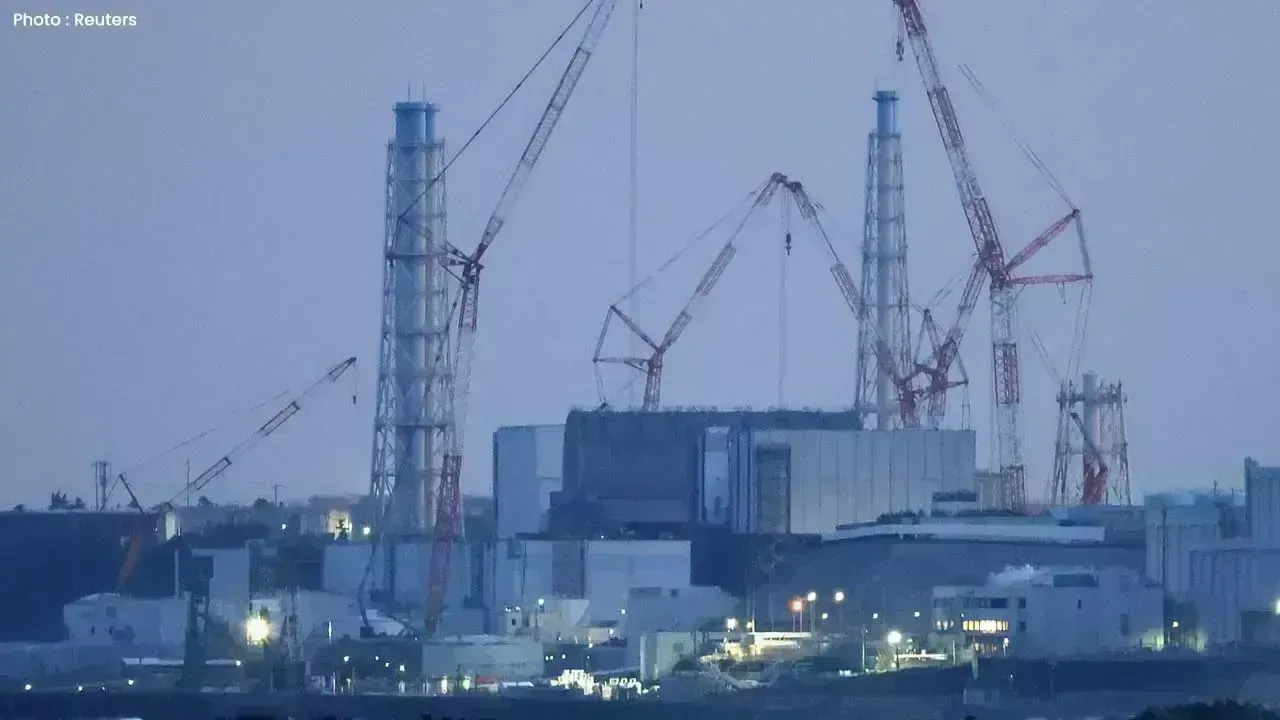
Japan is on the verge of restarting its largest nuclear power facility, nearly 15 years following the devastating Fukushima nuclear incident. Located in the Niigata region, approximately 220 kilometers from Tokyo, this facility is pivotal for the nation’s energy strategy.
Known as the Kashiwazaki-Kariwa plant, it was closed in 2011 after the Fukushima Daiichi facility faced catastrophic failures due to a massive earthquake and tsunami. This incident remains one of the most significant nuclear mishaps in history.
In the aftermath of Fukushima, a total of 54 reactors in Japan were taken offline. Progressively, Japan has managed to restart some of these reactors, with 14 now operational out of a potential 33.
The expectation is that the Kashiwazaki-Kariwa plant will soon resume operations, featuring seven reactors in total. Should it receive the necessary approvals, the initial reactor could be activated as early as January 20.
The facility is operated by the same organization responsible for the Fukushima site, which has assured the public that measures have been enhanced to prevent future accidents. They claim that the safety protocols in place will protect the nearby community.
In a bid to restore public confidence, the operator pledges to allocate 100 billion yen into the Niigata region over the next decade.
Nevertheless, local apprehensions persist.
A government survey indicates that 60% of residents believe the plant is unprepared for reopening, and nearly 70% lack faith in the company’s capacity to manage it safely.
Among the demonstrators is Ayako Oga, a 52-year-old farmer who relocated to Niigata after being displaced from her home near Fukushima. Her former property was situated within a designated danger zone, necessitating her evacuation.
She expresses that the thought of the plant’s reopening rekindles traumatic memories, fueling her ongoing anxiety and fear stemming from the Fukushima disaster.
Even the Niigata governor, an advocate for the restart, has voiced hopes for a future where energy sources do not instill fear.
On Monday, local legislators will cast a vote regarding their trust in the governor’s judgment. This decision is crucial; should it receive approval, the restart will proceed.
The plant's operational return could boost electricity supply to the Tokyo vicinity by 2%. Japan argues that it requires an augmented energy supply due to its continued reliance on imported oil, gas, and coal.
Last year, Japan incurred substantial costs sourcing fuel from abroad, with an anticipated rise in energy consumption driven by data centers and emerging technologies.
With an aim to reduce emissions and lower fuel costs, Japan intends to enhance nuclear energy’s contribution to 20% of total electricity by 2040.
However, the specter of risk continues to loom large.
For individuals like Oga, updates regarding the nuclear facility's reopening feel like a painful revisiting of the past. She has committed to protesting outside the assembly building during the vote.










Price Increase for Sony PS5 in Southeast Asia Effective May 1
Sony announces a price increase for the PS5 across Southeast Asia starting May 1, 2026, impacting ga

Potential ‘Super El Niño’ in 2026: Understanding the Climate Risks
Could a Super El Niño emerge in 2026? Discover its implications and potential global climate impacts

Global Energy Crisis Intensifies: Markets React to Oil Supply Challenges
Markets are on edge as oil disruptions escalate, influencing prices and economic stability. Explore

Must-See Tourist Spots in London You Can't Overlook
Explore London's essential attractions, from royal landmarks to vibrant markets, ensuring an unforge

Ultimate Guide to Snagging Cheap Flights in 2026
Unlock the secrets to booking affordable flights in 2026 with insightful tips and strategies tailore

The Impact of Consistent Small Investments on Wealth Building
Discover how investing small amounts regularly can positively transform your financial future over t