Post by : Saif Nasser
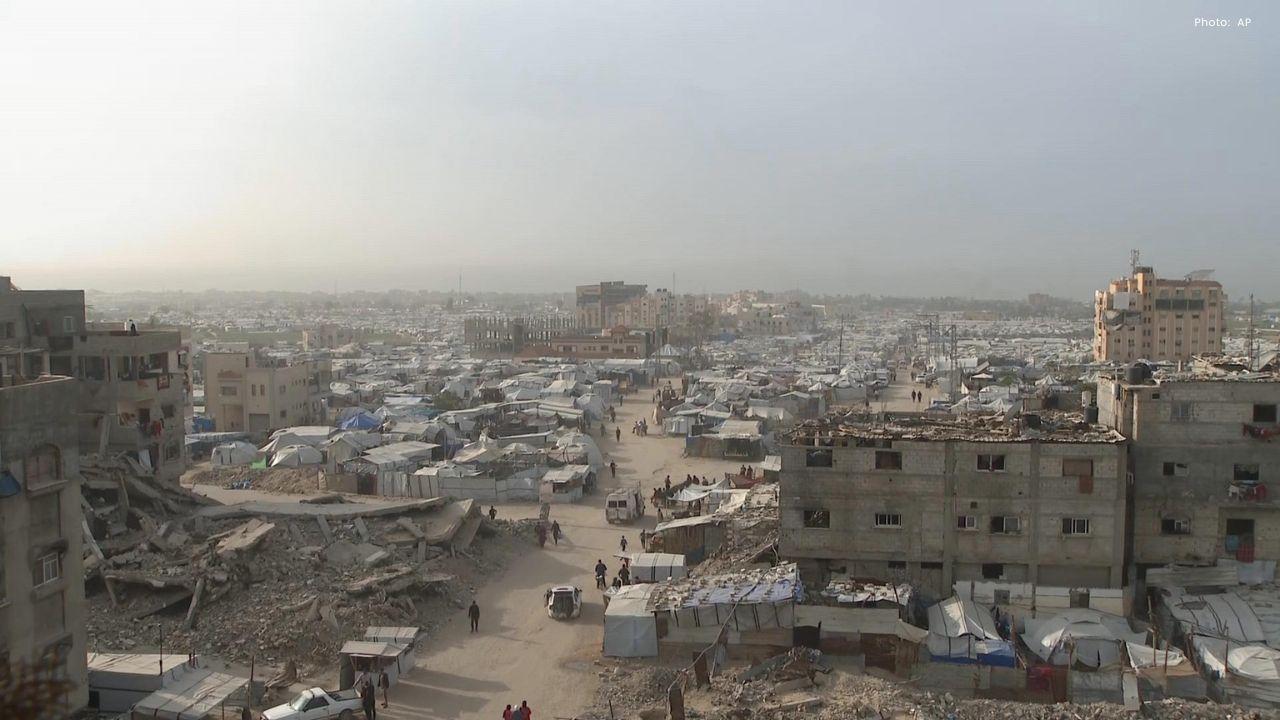
After months of near-total isolation, the Rafah border crossing between Gaza and Egypt is preparing to reopen for limited travel. For many Palestinians, this moment brings a mix of hope and frustration. Hope, because Rafah is Gaza’s main door to the outside world. Frustration, because only a small number of people will be allowed to cross at first, leaving thousands still waiting.
The reopening is part of the fragile ceasefire between Israel and Hamas. Israeli officials say the crossing will begin operating on Monday, following a short test phase. At the start, only dozens of people will be allowed to leave and enter Gaza each day. Cargo will not pass through yet, meaning humanitarian supplies will still depend mainly on other crossings.
For families in Gaza, the news is deeply personal. Many people have been trapped for months without access to proper medical care. Around 20,000 patients, including many children, are believed to need treatment outside Gaza. Under the current plan, Israel will allow about 50 patients to leave daily for medical reasons. Each patient may travel with two relatives. In addition, around 50 Palestinians who left Gaza during the war will be allowed to return each day.
While these numbers mark a step forward, they are far from enough. Residents say the limits are too strict and the pace too slow. Parents of sick children fear that delays could cost lives. Others worry that the crossing could close again if violence resumes. Many are calling for Rafah to reopen fully and permanently, not just as a temporary measure.
The timing of the reopening comes after a tense weekend. Israeli airstrikes killed at least 30 Palestinians, including children, according to hospital officials. This was one of the deadliest days since the ceasefire began in October. Israel accused Hamas of violating the truce, while international mediators urged restraint to prevent further bloodshed.
The Rafah crossing has been mostly shut since May 2024, when Israel seized control of the area, saying it was necessary to stop weapons smuggling. Before the war, Rafah was the main route for people traveling in and out of Gaza. Its closure cut off families, students, patients, and workers from the outside world and placed enormous pressure on Gaza’s already weak health system.
Under the new arrangement, Israel and Egypt will jointly vet travelers, and European Union border agents will supervise the crossing. If the system works smoothly, officials say the number of people allowed to cross could increase over time. Still, many Palestinians remain cautious, remembering past promises that did not last.
Adding to the concern is Israel’s decision to end the work of Doctors Without Borders in Gaza by the end of February. The medical charity plays a major role in running hospitals, clinics, and nutrition centers for children. Israel says the move is linked to new registration rules meant to prevent militant infiltration. Aid groups warn that shutting them down will worsen an already severe humanitarian crisis.
Gaza’s health sector has been heavily damaged by more than two years of war, shortages, and restrictions. Hospitals struggle with limited staff, medicine, and equipment. For many patients, leaving Gaza is not a choice but a matter of survival. That is why the slow reopening of Rafah, while welcome, feels painfully insufficient to those in need.
Egypt has repeatedly stressed that Rafah must remain open in both directions and not be used to force Palestinians out of Gaza. Historically, both Egypt and Israel have screened travelers, but Egypt has made clear it does not support permanent displacement.
The ceasefire that made this reopening possible followed a devastating conflict that began with the Hamas-led attack on Israel on Oct. 7, 2023. That attack killed about 1,200 people in Israel and led to hundreds of hostages being taken. Israel’s military response has killed tens of thousands of Palestinians, according to Gaza’s Health Ministry, and destroyed much of the territory.
The first phase of the ceasefire focused on exchanging hostages and prisoners, increasing aid, and reducing military activity. The next phase will be far more complex. It includes plans for new governance in Gaza, international security arrangements, disarming Hamas, and beginning reconstruction. Each step carries political and security risks.
For now, the reopening of Rafah stands as a small but powerful symbol. It shows that movement is possible when guns fall silent. Yet it also highlights how far Gaza still is from normal life. Until the crossing is fully open, and until peace becomes more than a pause in fighting, the people of Gaza will remain caught between hope and hardship.







DAE Achieves Remarkable Growth in Q1 2026 With Record Revenue
Dubai Aerospace Enterprise announces impressive financial results for Q1 2026, reflecting a surge in

Price Increase for Sony PS5 in Southeast Asia Effective May 1
Sony announces a price increase for the PS5 across Southeast Asia starting May 1, 2026, impacting ga

Potential ‘Super El Niño’ in 2026: Understanding the Climate Risks
Could a Super El Niño emerge in 2026? Discover its implications and potential global climate impacts

Global Energy Crisis Intensifies: Markets React to Oil Supply Challenges
Markets are on edge as oil disruptions escalate, influencing prices and economic stability. Explore

Must-See Tourist Spots in London You Can't Overlook
Explore London's essential attractions, from royal landmarks to vibrant markets, ensuring an unforge

Ultimate Guide to Snagging Cheap Flights in 2026
Unlock the secrets to booking affordable flights in 2026 with insightful tips and strategies tailore




