Post by : Saif Nasser
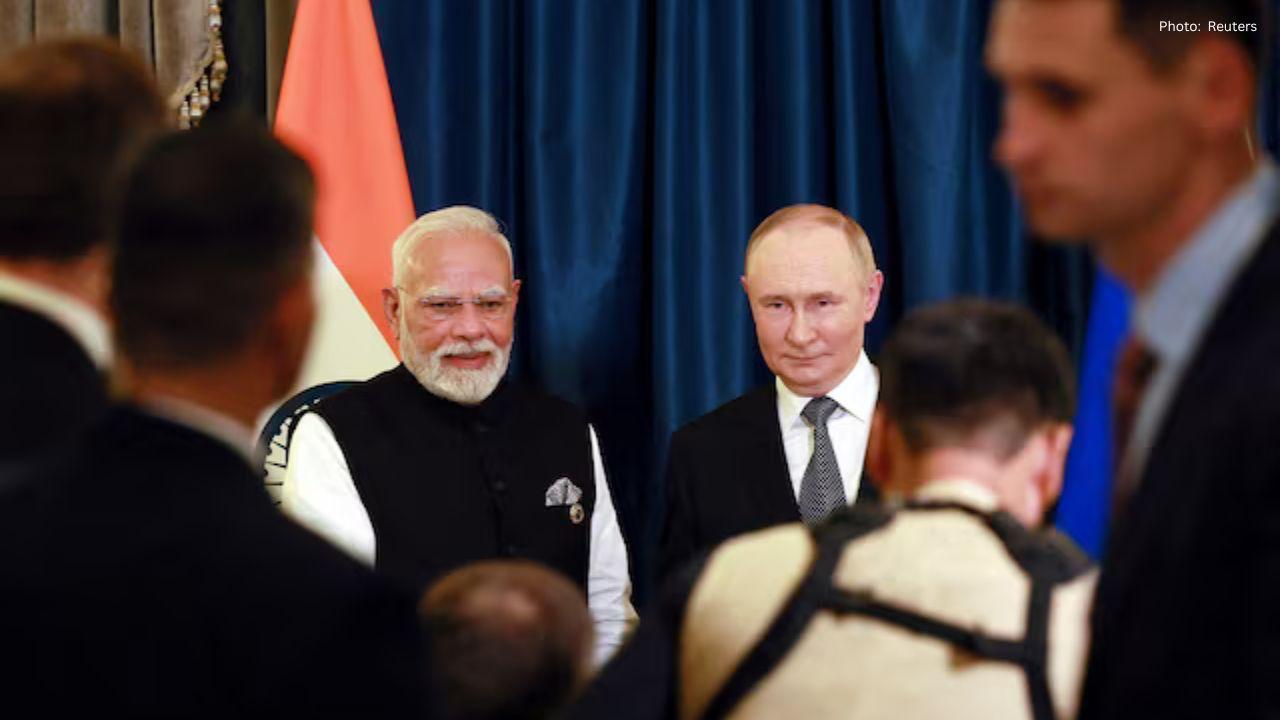
Russian President Vladimir Putin will arrive in India on Thursday for a two-day visit that is expected to shape the future of the long and complicated relationship between New Delhi and Moscow. For both countries, this visit comes at a time when the global situation has become tense, trade routes are shifting, and powerful nations are trying to influence each other’s choices. Putin’s goal is simple: he wants India to continue buying Russian oil and to renew its interest in Russian defence equipment such as missile systems and fighter jets.
India has depended on Russian defence technology for decades. Even today, many of the jets, missiles, and military systems used by the Indian forces come from Russia. In the last few years, India also became the biggest buyer of Russia’s seaborne oil, especially after Moscow’s invasion of Ukraine in 2022. But things have changed recently. India’s imports of Russian crude are set to fall to a three-year low this month as sanctions tighten and Indian refiners buy more oil from the United States. This is one of the reasons why the Russian president is travelling with a large delegation that includes the defence minister and the chiefs of major Russian oil and banking companies.
For India, the visit is both important and delicate. New Delhi wants to keep its old friendship with Moscow alive, but it also knows that any major deal with Russia could lead to a sharp reaction from U.S. President Donald Trump. Earlier this year, Trump doubled tariffs on many Indian goods as punishment for India’s continued purchase of Russian crude. This has made Indian officials extremely cautious while preparing for the summit. Even then, both sides have been holding extensive meetings in areas such as defence, shipping, agriculture, and nuclear cooperation. India and Russia have also agreed to start talks for a possible free trade deal with the Russian-led Eurasian Economic Union.
During the talks, Russia is likely to ask India for help in obtaining spare parts and technical equipment for its oil industry, which is struggling because of Western sanctions. In return, India may push hard for the restoration of a 20% stake for ONGC Videsh in the Sakhalin-1 project in Russia’s far east. This stake became uncertain after the start of the Ukraine war, and India wants it back to secure its long-term energy interests. At the same time, widening discounts on Russian oil are slowly drawing Indian state refiners back to the market. Both Indian Oil and Bharat Petroleum have already placed new orders for December and January.
While energy cooperation is under pressure, defence ties remain solid. India continues to depend heavily on Russian systems for its air force and missile defence. The Sukhoi-30 jets supplied by Russia form the backbone of India’s fighter fleet. Russia is also offering the Su-57, its most advanced fighter jet, though India has not yet taken a decision. Another topic likely to come up during the summit is the S-400 air defence system. India already operates three units, and two more are due under a previous agreement.
Experts say recent discussions between the United States and Russia regarding the Ukraine conflict may make it slightly easier for India to openly engage with Moscow, but the situation remains sensitive. A large part of the India-Russia trading relationship has historically been built on energy supplies, and that area is now facing serious challenges because of U.S. sanctions. Defence cooperation is the one area where both countries still feel secure, and it continues to tie the two nations together.
Putin’s visit is happening at a time when India is trying to manage its position between powerful global rivals. On one side is Russia, a long-time partner that has supported India’s military needs for decades. On the other side is the United States, a major economic partner that is becoming increasingly strict about India’s dealings with Moscow. This trip will test how well India can balance both relationships without harming its own national interests. The next two days will show whether New Delhi and Moscow can update their partnership to match today’s realities, or whether the pressure from global powers will limit how far the two countries can move together.


Mattel Revives Masters of the Universe Action Figures Ahead of Film Launch
Mattel is reintroducing Masters of the Universe figures in line with its upcoming film, tapping into
China Executes 11 Members of Criminal Clan Linked to Myanmar Scam
China has executed 11 criminals associated with the Ming family, known for major scams and human tra
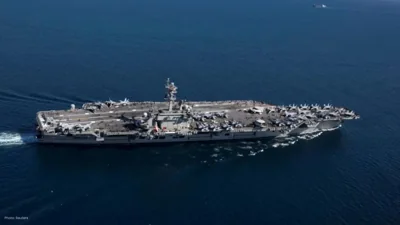
US Issues Alarm to Iran as Military Forces Deploy in Gulf Region
With a significant military presence in the Gulf, Trump urges Iran to negotiate a nuclear deal or fa
Copper Prices Reach Unprecedented Highs Amid Geopolitical Turmoil
Copper prices soar to all-time highs as geopolitical tensions and a weakening dollar boost investor
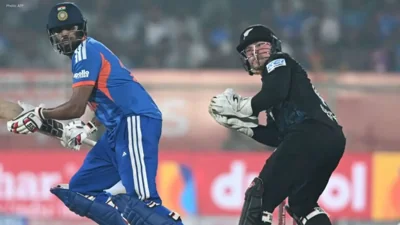
New Zealand Secures First Win Against India, Triumph by 50 Runs
New Zealand won the 4th T20I against India by 50 runs in Vizag. Despite Dube's impressive 65, India