Post by : Mikhael Nasser
Vegetables deliver concentrated nutrients that support longevity, cardiovascular health and cognitive function. While all veg offer benefits, certain leafy and cruciferous varieties stand out for their dense vitamin, mineral and antioxidant content; these are commonly referred to as “power greens.”
This article reviews the most nutritionally potent vegetables, explains the mechanisms behind their health effects, and offers practical suggestions to include them in daily meals. Eating vegetables effectively means choosing varieties that deliver maximal benefit in modest portions.
Regular vegetable intake is consistently linked to longer, healthier lives. Clinical guidance and nutritional research indicate that a diet rich in vegetables can help to:
Reduce elevated blood pressure
Support cardiac function and lower cardiovascular risk
Help regulate blood glucose
Improve bowel function and nutrient absorption
Lower the risk of some malignancies
Vegetables supply dietary fiber, potassium, folate (Vitamin B9), Vitamin A and Vitamin C — nutrients essential for growth, immune resilience and metabolic health.
Those that provide a high level of nutrients relative to their calorie content are classed as nutrient-dense and represent the most efficient way to meet daily micronutrient needs.
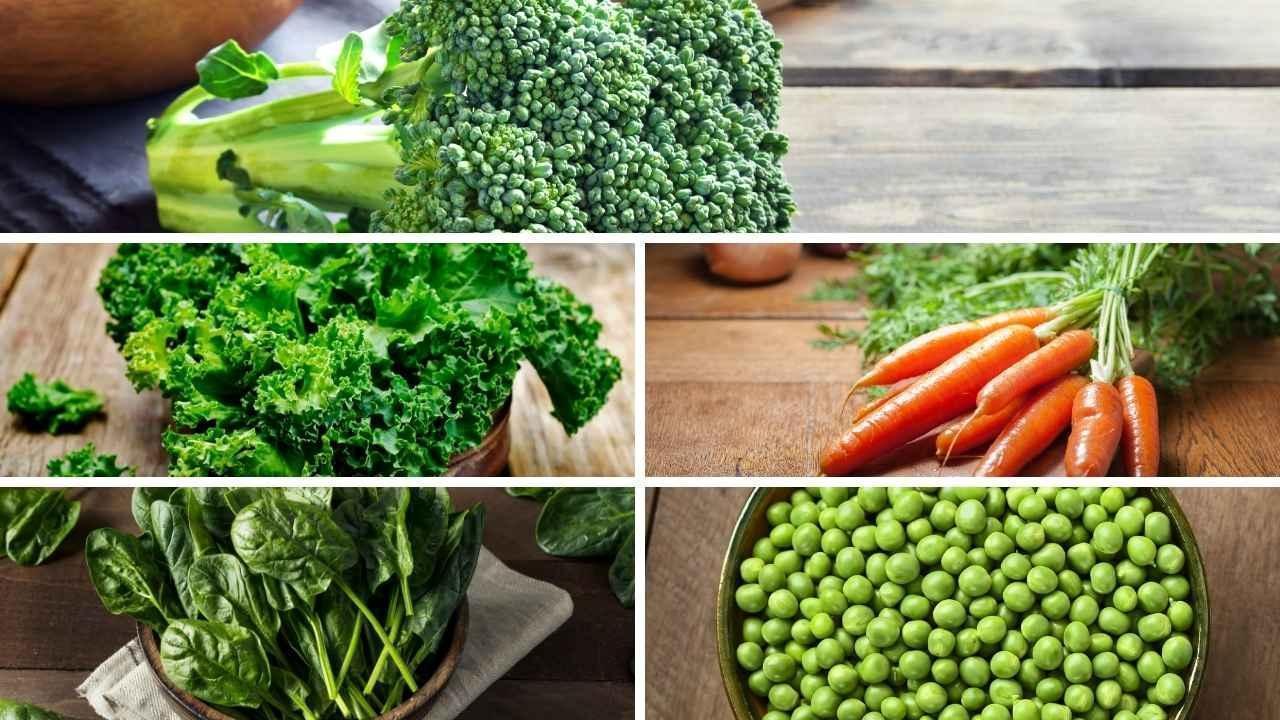
Spinach ranks among the most nutrient-packed greens. One cup of raw leaves delivers meaningful amounts of Vitamin K, Vitamin A, iron and magnesium while remaining low in calories.
Key benefits:
Supports bone and muscle health
Contributes to ocular health
Enhances immune response
Promotes cardiovascular function
Practical note: Incorporate spinach into omelettes, smoothies or light sautés; brief cooking can increase bioavailability of some nutrients.
Kale is widely recognised for its rich antioxidant and micronutrient profile, supplying Vitamins A, C and K along with calcium and iron.
Key benefits:
Supports skin and eye health
Contributes to bone strength
Contains compounds that assist detoxification pathways
Other leafy options such as Swiss chard and beet greens offer comparable nutrient profiles and can be rotated with kale for variety.
Broccoli is a nutrient-rich cruciferous vegetable high in Vitamin C, Vitamin K and fiber. Members of this family are studied for their bioactive compounds with potential protective effects.
Key benefits:
May reduce risk factors associated with certain cancers
Supports digestive health
Strengthens immune defences
Contributes to healthy ageing processes
Cooking tip: Steaming or roasting preserves texture and nutrients better than prolonged boiling.
Carrots are notable for beta-carotene, a provitamin converted to Vitamin A in the body, supporting vision and skin integrity.
Key benefits:
Promotes healthy eyesight
Supports immune function
Helps maintain healthy skin
They are versatile raw or cooked — useful in snacks, salads, soups and stews for added taste and nutrition.
Small in size but nutritionally dense, green peas provide protein, fiber and iron, making them a practical component of plant-forward diets.
Key benefits:
Supports muscle repair and sustained energy
Improves digestion
Provides long-lasting fullness
Peas integrate easily into rice dishes, pastas and stews or as a standalone side.
Top-tier vegetables share several attributes:
High nutrient density: Deliver significant vitamins and minerals per calorie.
Antioxidant content: Help mitigate cellular oxidative stress.
Culinary adaptability: Can be included in salads, soups, smoothies or cooked dishes.
Digestive benefits: Their fiber content supports gut function and cholesterol control.
Comparative nutrient analyses frequently list watercress, Chinese cabbage, kale and spinach among the most nutrient-dense vegetables globally.
Maximising vegetable intake needn’t be complicated. Consider these simple routines:
Breakfast: Blend spinach or kale into smoothies or fold into scrambled eggs.
Lunch: Add broccoli or peas to grain bowls, salads or broths.
Dinner: Include carrots and mixed greens in curries, stir-fries or stews.
Snacks: Choose raw carrot or cucumber sticks with a healthy dip for crunch and satiety.
Note: Gentle cooking methods such as steaming or light sautéing often improve nutrient absorption compared with eating all vegetables raw.
No single vegetable supplies every required nutrient. A balanced intake that includes leafy greens, root vegetables and cruciferous types is the most reliable way to cover micronutrient needs.
For example:
Carrots provide provitamin A
Spinach supplies iron and magnesium
Broccoli delivers fiber and Vitamin C
Peas contribute protein and energy
Combining different vegetables across meals ensures a broad spectrum of nutrients for sustained health.
Avoid overcooking: Excess heat reduces vitamin content — aim for tender, not mushy.
Eat a variety of colours: Different pigments indicate different nutrient classes.
Choose fresh, seasonal produce: It often offers superior flavour and nutrient retention.
Portion wisely: Target filling half your plate with vegetables where possible.
Use minimal oil: Light cooking methods preserve nutrients and limit excess fat.
The healthiest vegetables are frequently the accessible staples you consume regularly. Greens such as spinach, kale, broccoli, carrots and peas are widely available and nutritionally valuable.
Consistency and variety are the practical cornerstones: rotate types, experiment with preparations, and prioritise vegetables as central elements of meals rather than peripheral sides.
Regularly choosing nutrient-dense vegetables supports energy levels, immune capacity, skin health and long-term wellbeing.
| Vegetable | Main Nutrients | Top Benefits |
|---|---|---|
| Spinach | Iron, Vitamin A, K | Bone support, improved eyesight |
| Kale | Calcium, Vitamin C | Detoxification support, skin health |
| Broccoli | Fiber, Vitamin C | Digestive health, immunity |
| Carrots | Beta-carotene | Vision and skin benefits |
| Green Peas | Protein, Iron | Energy and muscle repair |
This piece is intended for informational and educational use only. The content reflects established nutrition guidance but does not substitute for personalised medical advice. Readers should consult a qualified healthcare professional or registered dietitian before making significant dietary or lifestyle changes.










Anticipated Dates for UAE Eid Al Adha 2026 Unveiled by Astronomical Experts
Experts predict Eid Al Adha 2026 in the UAE to start on May 27, prompting early holiday planning amo

DAE Achieves Remarkable Growth in Q1 2026 With Record Revenue
Dubai Aerospace Enterprise announces impressive financial results for Q1 2026, reflecting a surge in

Price Increase for Sony PS5 in Southeast Asia Effective May 1
Sony announces a price increase for the PS5 across Southeast Asia starting May 1, 2026, impacting ga

Potential ‘Super El Niño’ in 2026: Understanding the Climate Risks
Could a Super El Niño emerge in 2026? Discover its implications and potential global climate impacts

Global Energy Crisis Intensifies: Markets React to Oil Supply Challenges
Markets are on edge as oil disruptions escalate, influencing prices and economic stability. Explore

Must-See Tourist Spots in London You Can't Overlook
Explore London's essential attractions, from royal landmarks to vibrant markets, ensuring an unforge




