Post by : Mina Rahman
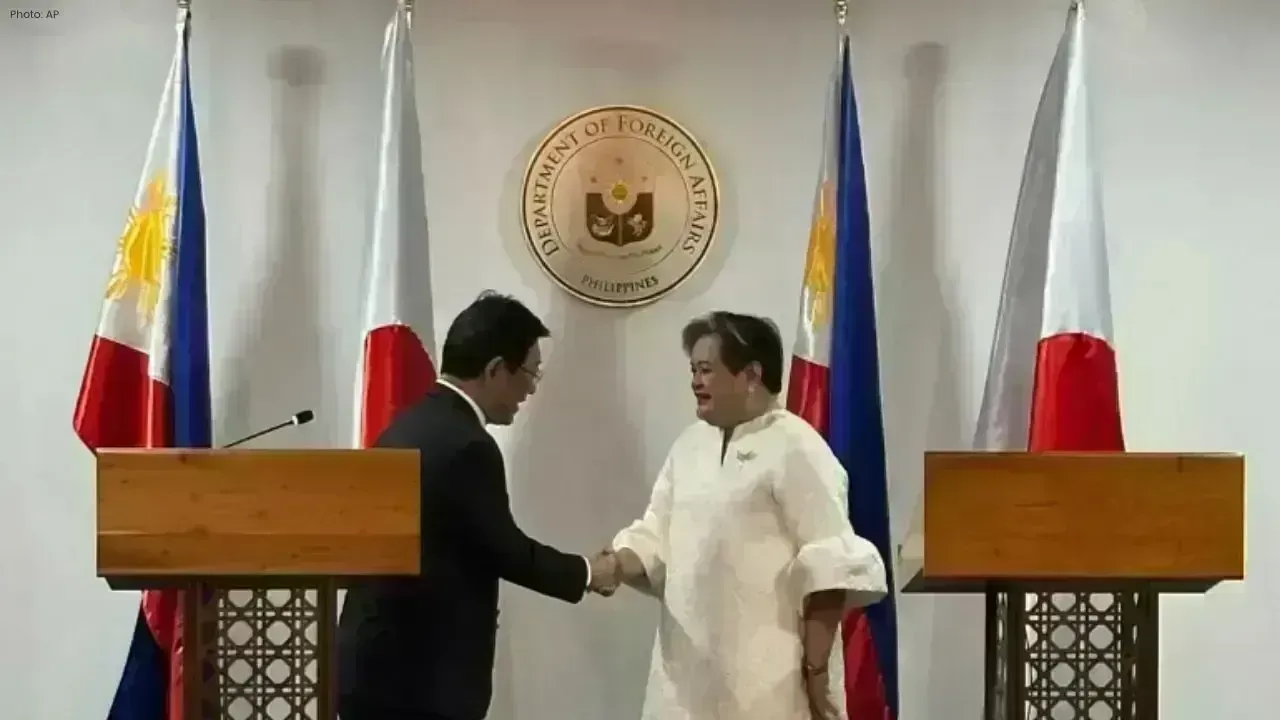
In a decisive move to bolster their military collaboration, the Philippines and Japan have signed two significant defence agreements on Thursday, aimed at promoting regional stability amidst rising tensions in the South China Sea.
During a meeting in Manila, Japanese Foreign Minister Toshimitsu Motegi and Philippine Foreign Secretary Theresa Lazaro formalized the Acquisition and Cross-Servicing Agreement. This pact facilitates the exchange of essential supplies, such as fuel, food, and ammunition, between the two nations’ armed forces during joint military exercises. Notably, these provisions are exempted from taxes, streamlining operational efficiency during training.
Moreover, Japan has pledged $6 million in Official Security Assistance to enhance facilities for rigid-hulled inflatable boats supplied to the Philippines, aimed at boosting the country's naval patrol capabilities. These vessels will significantly enhance Manila's surveillance and security over its coastal regions.
Speaking at a joint press conference, Lazaro asserted that this partnership would “enhance mutual military interoperability and readiness,” building upon an earlier agreement concerning visiting forces. She reiterated their unified commitment to uphold the rule of law, particularly concerning freedom of navigation and overflight in disputed waters.
Motegi emphasized the shared stance against any unilateral attempts to alter the status quo through force or coercion in the East and South China seas, indirectly addressing China’s assertiveness in the region.
These recent pacts come on the heels of the Reciprocal Access Agreement signed in mid-2024, which permits the deployment of military forces in each other’s territories for collaborative exercises, including live-fire drills. This development significantly strengthens Manila-Tokyo military relations within the broader context of security partnerships with the United States.
The historical and territorial disputes between China and Japan have been exacerbated by Japanese Prime Minister Sanae Takaichi's remarks suggesting a possible military intervention if China were to attack Taiwan. In response, Beijing reiterated its focus on the “reunification” of Taiwan and conducted military exercises simulating a blockade of the island.
These agreements signify the Philippines and Japan’s dedication to regional security, maritime law, and collective preparedness addressing the dynamic challenges in the Asia-Pacific region.









Price Increase for Sony PS5 in Southeast Asia Effective May 1
Sony announces a price increase for the PS5 across Southeast Asia starting May 1, 2026, impacting ga

Potential ‘Super El Niño’ in 2026: Understanding the Climate Risks
Could a Super El Niño emerge in 2026? Discover its implications and potential global climate impacts

Global Energy Crisis Intensifies: Markets React to Oil Supply Challenges
Markets are on edge as oil disruptions escalate, influencing prices and economic stability. Explore

Must-See Tourist Spots in London You Can't Overlook
Explore London's essential attractions, from royal landmarks to vibrant markets, ensuring an unforge

Ultimate Guide to Snagging Cheap Flights in 2026
Unlock the secrets to booking affordable flights in 2026 with insightful tips and strategies tailore

The Impact of Consistent Small Investments on Wealth Building
Discover how investing small amounts regularly can positively transform your financial future over t




