Post by : Saif Nasser
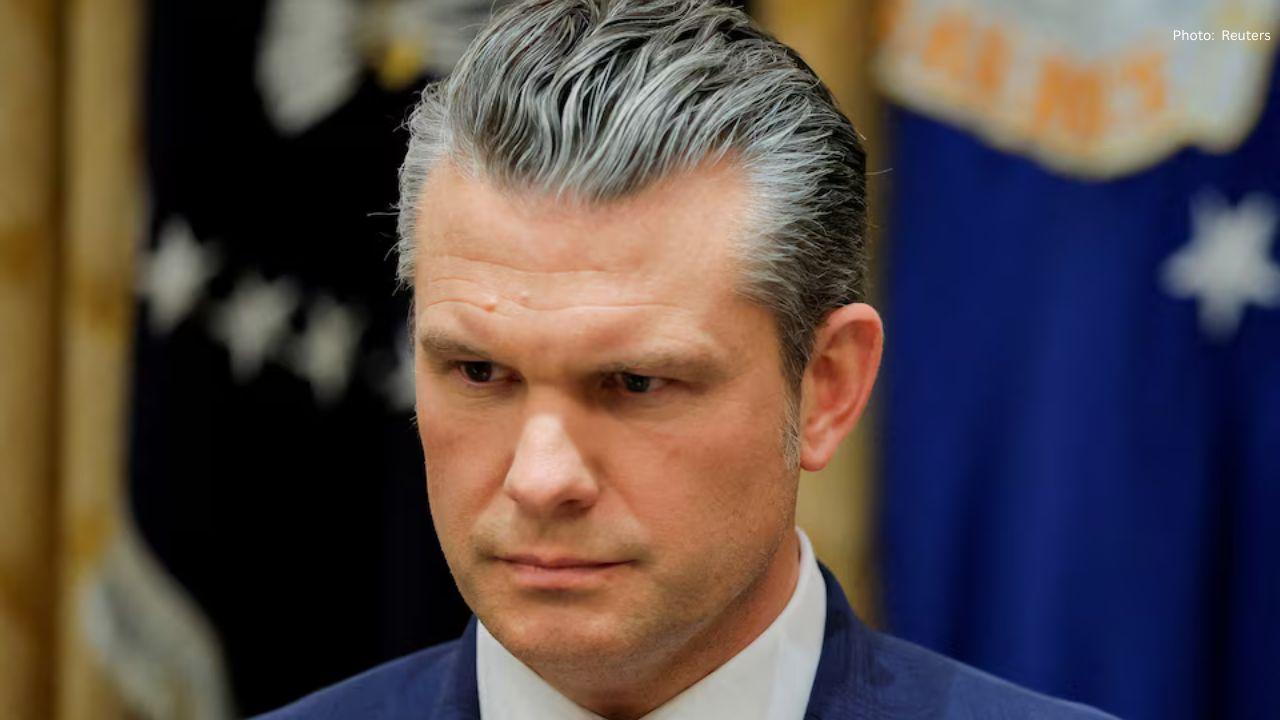
A Pentagon investigation has raised serious concerns about U.S. Defense Secretary Pete Hegseth’s handling of sensitive military information. According to people familiar with the report, Hegseth used the messaging app Signal on his personal device to share details about planned U.S. strikes in Yemen. This created a risk that the information could have been intercepted, possibly putting U.S. troops and the mission in danger.
The report, prepared by the Pentagon’s independent Inspector General, has not yet been released to the public. Officials expect it to be published soon. The review did not say whether the messages contained classified information because the defense secretary has the authority to classify or declassify details as he sees fit.
Despite this, the Pentagon said the investigation cleared Hegseth. Hegseth echoed this message on social media, writing that no classified information was shared and that the matter was closed. But the story is more complicated, especially as Hegseth faces growing criticism over other U.S. military actions he oversaw, including lethal strikes on suspected drug vessels in the Caribbean.
Several members of Congress, especially Democrats, reacted strongly to the findings. Representative Adam Smith, the top Democrat on the House Armed Services Committee, called the report “a damning review of an incompetent secretary of defense.” He said Hegseth showed poor judgment and failed to understand the responsibilities required to protect U.S. service members.
Much of the controversy centers on a Signal chat group used by President Donald Trump’s top national security officials. Hegseth used the group on March 15 to share plans for U.S. strikes targeting Houthi fighters in Yemen. The group mistakenly included Jeffrey Goldberg, editor-in-chief of The Atlantic magazine. Goldberg later revealed the chat and published screenshots after Trump officials accused him of exaggerating the story.
In the screenshots, Hegseth appeared to discuss plans to kill a Houthi militant leader only two hours before the secret operation. The Inspector General report says the information he received from the military was classified at that time. If intercepted, it could have helped enemies prepare or move, making the mission riskier and increasing danger to U.S. troops.
Hegseth has repeatedly denied sending war plans over Signal. He refused an interview with investigators but submitted a written statement. In it, he argued that he can declassify information as he believes appropriate and only shared details he thought were safe. He also said political opponents pushed the investigation, even though the review was requested by both Republican and Democratic lawmakers.
Many U.S. officials, including former defense staff, were surprised by Hegseth’s defense. They noted that timing and targeting details before a military strike are some of the most sensitive pieces of information in national security. If Houthi leaders had known a strike was coming, they might have escaped or moved into crowded areas, which would make it harder for the U.S. military to act without risking civilian lives.
However, the report also found that the chat did not include names of specific targets or exact locations. It did not seem to include details that could have been used to directly attack U.S. troops.
Senator Mark Warner, the top Democrat on the Senate Intelligence Committee, said the report showed that Hegseth used Signal for official business more than once. Warner warned that this was not a one-time mistake but part of a larger pattern of poor judgment.
The Inspector General also noted that Hegseth only turned over a small number of his Signal messages. Investigators had to rely on the screenshots published by The Atlantic, which limited their ability to fully understand what happened.
As the report becomes public, questions continue to grow about Hegseth’s leadership and decision-making. The situation has added pressure at a time when debates over military actions, national security, and political responsibility are already intense. Whether the findings will lead to further action remains unclear, but the review has opened a deeper national conversation about how top officials should handle sensitive information and the risks that come with modern communication tools.









Mattel Revives Masters of the Universe Action Figures Ahead of Film Launch
Mattel is reintroducing Masters of the Universe figures in line with its upcoming film, tapping into

China Executes 11 Members of Criminal Clan Linked to Myanmar Scam
China has executed 11 criminals associated with the Ming family, known for major scams and human tra

US Issues Alarm to Iran as Military Forces Deploy in Gulf Region
With a significant military presence in the Gulf, Trump urges Iran to negotiate a nuclear deal or fa

Copper Prices Reach Unprecedented Highs Amid Geopolitical Turmoil
Copper prices soar to all-time highs as geopolitical tensions and a weakening dollar boost investor

New Zealand Secures First Win Against India, Triumph by 50 Runs
New Zealand won the 4th T20I against India by 50 runs in Vizag. Despite Dube's impressive 65, India