Post by : Priya
Photo:AFP
Suleiman Al-Obeid, known to many as the "Palestinian Pelé," was a shining star of Palestinian football who tragically died on August 6, 2025. He was 41 years old when Israeli forces shot him while he was waiting for humanitarian aid in southern Gaza. His death marks a sorrowful moment not only in the world of football but also for the people of Gaza during a time of intense hardship and conflict.
Who Was Suleiman Al-Obeid?
Born on March 24, 1984, in Gaza City, Suleiman Al-Obeid rose from a young boy with a passion for football to become one of Palestinian football’s brightest athletes. He began his career with Khadamat Al-Shati, a local club in Gaza, showcasing his natural talent for the game. Later, he also played for the Al-Amari Youth Center club located in the West Bank, an area under Israeli occupation since 1967.
Al-Obeid’s skill on the field was extraordinary. Often compared to the legendary Brazilian footballer Pelé for his talent and influence, he earned his nickname "Palestinian Pelé." He played primarily as a forward and winger, scoring over 100 goals throughout his career.
Internationally, Al-Obeid represented Palestine’s national team, known as Al-Fida’i. He played in 24 international matches, scoring two goals. One of his most memorable goals was a spectacular scissor-kick during the 2010 West Asian Football Federation Championship against Yemen. His career spanned critical years from 2007 to 2013, during which he became a symbol of hope and pride for Palestinians.
A Career of Dedication Amid Conflict
Al-Obeid’s football journey was marked by more than just his achievements on the pitch. It was often shadowed by the harsh realities of life in Gaza and the West Bank. In 2010, he was among six Palestinian players from Gaza who were denied passage by Israeli authorities at the Jordanian border, which stopped them from participating in an international friendly match. The official reason was "security concerns," but this blockade was a blow to Al-Obeid and his teammates' dreams.
In interviews, Al-Obeid expressed his heartbreak at being prevented from wearing his national jersey on the international stage, reflecting the daily struggle for Palestinians to participate freely in international sports and life. His words resonated with many who understood that sport was not only a passion but a form of peaceful resistance and a way to represent their homeland.
The Tragic Death Amid a Humanitarian Crisis
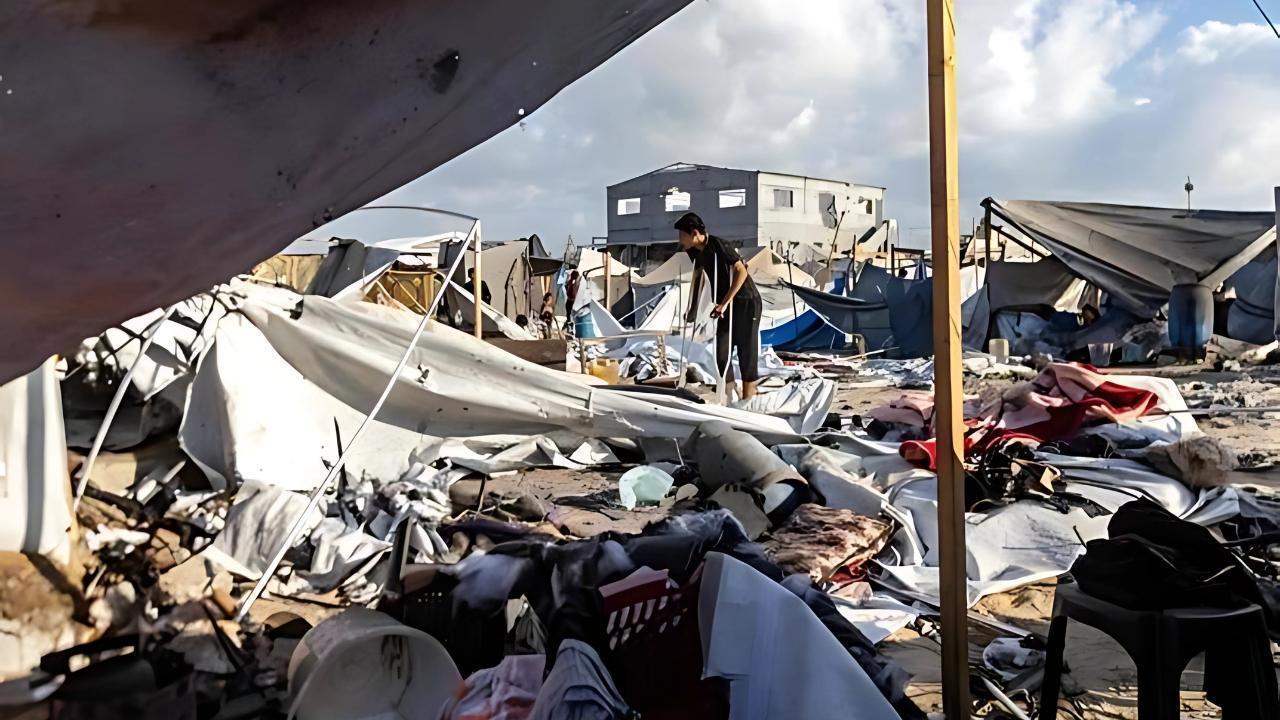
On August 6, 2025, Suleiman Al-Obeid was at a humanitarian aid distribution center in southern Gaza, waiting alongside thousands of other civilians desperate for basic necessities like food and medicine. The Gaza Strip has long been suffering under a blockade that restricts movements and supplies, exacerbating an already dire humanitarian situation.
Israeli forces opened fire at those gathered for aid, fatally wounding Al-Obeid and killing several others. According to the Palestinian Football Association (PFA), more than 1,300 Palestinians seeking food and humanitarian help in Gaza have been killed by Israeli forces since late May 2025. Of these, a staggering number are from the sports community, including athletes, coaches, referees, and club officials.
The Toll on Palestinian Sports
Since the war intensified after Hamas’s attack on Israel in October 2023, the Palestinian sports world has suffered grievously. The PFA reports that over 808 athletes have been killed in Gaza, including at least 421 footballers. This loss includes players of all ages, some of whom were children still aspiring to achieve their dreams on the field.
Besides the tragic deaths, the war has devastated Gaza’s sports infrastructure. Football stadiums, training facilities, and clubs have been severely damaged or destroyed, making it extremely difficult for future generations to pursue sports. The loss of Al-Obeid symbolizes the destruction of a vibrant sporting culture and a community eager to engage in peaceful activities.
A Family’s Loss and a Nation’s Grief
Suleiman Al-Obeid was not just an athlete. He was a beloved husband and father of five children. His family, along with countless Palestinians, now mourn a man who was a beacon of hope, joy, and national pride. His death highlights the human cost of ongoing conflict, extending beyond headlines and statistics to personal stories of loss and resilience.
The Broader Context: Gaza’s Humanitarian Disaster
The conflict around Gaza has produced one of the most severe humanitarian crises in recent history. Food and medical shortages, displacement, and trauma affect millions. The United Nations and various humanitarian organizations have repeatedly warned about the risk of famine and collapse of health services in the region.
Al-Obeid’s death while waiting for aid starkly illustrates the dangers faced by civilians caught in conflict zones. Aid centers that should be safe havens have come under violent attack. This cruelty paints a bleak picture for civilians whose survival depends on international goodwill and political cooperation.









Mattel Revives Masters of the Universe Action Figures Ahead of Film Launch
Mattel is reintroducing Masters of the Universe figures in line with its upcoming film, tapping into

China Executes 11 Members of Criminal Clan Linked to Myanmar Scam
China has executed 11 criminals associated with the Ming family, known for major scams and human tra

US Issues Alarm to Iran as Military Forces Deploy in Gulf Region
With a significant military presence in the Gulf, Trump urges Iran to negotiate a nuclear deal or fa

Copper Prices Reach Unprecedented Highs Amid Geopolitical Turmoil
Copper prices soar to all-time highs as geopolitical tensions and a weakening dollar boost investor

New Zealand Secures First Win Against India, Triumph by 50 Runs
New Zealand won the 4th T20I against India by 50 runs in Vizag. Despite Dube's impressive 65, India