Post by : Saif Nasser
Pakistan and Afghanistan are facing one of their most serious confrontations in recent years. Pakistani forces carried out air and ground strikes on targets inside Afghan cities following months of tension and repeated clashes along their shared border. The situation has raised concern in both countries and internationally, as the violence marks a major escalation.
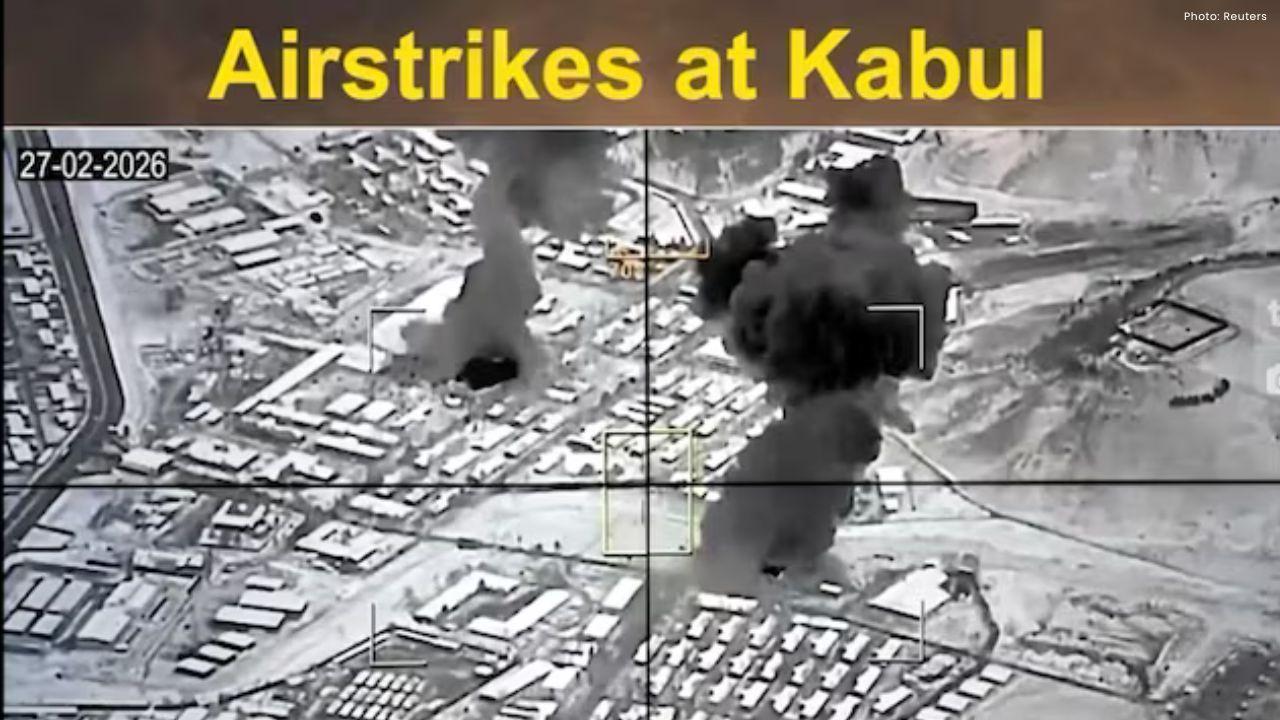
The strikes occurred overnight, with Pakistan targeting what it described as Taliban government posts, headquarters, and ammunition stores. Pakistani officials said the actions were meant to respond to repeated attacks from across the border and to protect their citizens. Afghanistan’s Taliban government, however, called the strikes acts of aggression, saying they hit cities including Kabul, Kandahar, and Paktia.
Both countries reported casualties but gave very different numbers. Pakistan claimed that dozens of Taliban fighters were killed and many posts destroyed, while Afghan officials said Pakistan suffered losses, including soldiers, and denied responsibility for attacks on Pakistan. Independent verification of these claims is difficult.
The conflict has been brewing for several months along the border. Pakistani leaders accuse Afghanistan of sheltering militant fighters who carry out attacks inside Pakistan. Kabul denies these accusations and says the clashes are exaggerated or misrepresented.
The situation has now grown serious enough that Pakistan’s defence minister called it “open war,” suggesting the dispute has moved beyond small border skirmishes and could develop into a wider military conflict.
Reports indicate heavy artillery and aircraft were used during the strikes. Residents of targeted cities reported explosions and smoke, causing fear and disruption in daily life.
Pakistan says its actions are not intended to harm Afghan civilians but to prevent militants from using Afghan territory to attack Pakistan. The government also stated that its forces are prepared to defend the country’s borders and will act against threats to national security.
The escalation puts a fragile peace at risk along the 2,600‑kilometre border. Previous ceasefires and negotiations between the two countries have often failed due to ongoing mistrust and clashes.
For people living near the border, the rising violence is frightening. Families are concerned for their safety, travel has become dangerous, and trade and daily life have been disrupted. Observers fear that if the conflict continues, it could destabilize the wider region or draw in other countries.
International leaders are urging both sides to calm tensions and return to negotiations. For now, the airstrikes and clashes show how quickly long-standing issues can escalate into open conflict when peaceful solutions fail.









Starbucks Engages Boyu Capital for Major Chinese Expansion
Starbucks teams up with Boyu Capital, selling a majority stake to boost growth and adapt to the Chin

Three Individuals Charged in Massive Meth Trafficking Case in Malaysia
In Malaysia, a married couple and another suspect are charged with trafficking 510kg of meth, facing

Singapore Police Revisit Geylang Murder Scene with Suspect
In Geylang, police return a murder suspect to the scene of a crime involving the fatal stabbing of a

Mattel Revives Masters of the Universe Action Figures Ahead of Film Launch
Mattel is reintroducing Masters of the Universe figures in line with its upcoming film, tapping into

China Executes 11 Members of Criminal Clan Linked to Myanmar Scam
China has executed 11 criminals associated with the Ming family, known for major scams and human tra