Post by : Saif Nasser
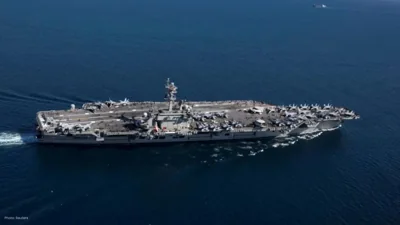
Oil prices moved a little lower after the United States and Iran decided to extend their nuclear talks. The decision reduced fears of an immediate conflict that could disturb oil supplies from the Middle East.
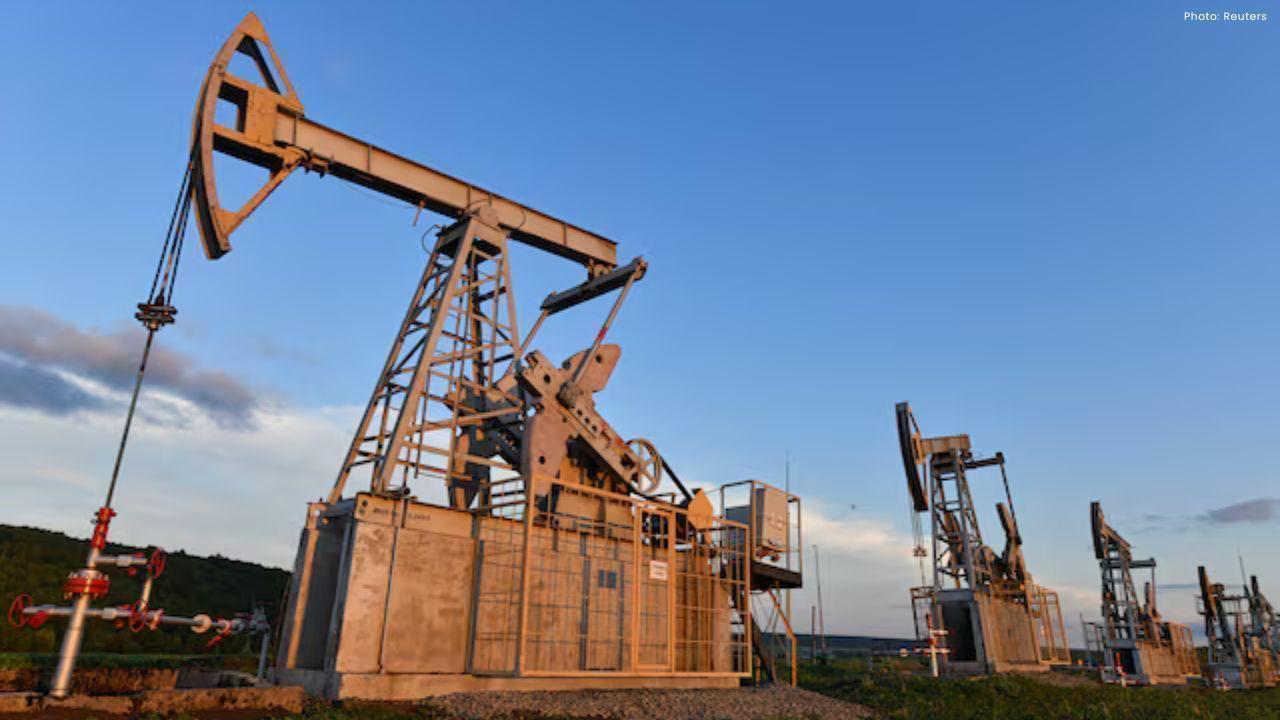
Global oil markets are very sensitive to political tensions. When there is fear of war or strict sanctions, traders worry that oil production or transportation could be affected. This usually pushes prices up. But when countries choose dialogue instead of confrontation, prices often calm down. That is what the market saw this time.
Brent crude, the international oil benchmark, slipped slightly. US crude prices also edged lower. The decline was not sharp, but it showed that investors felt more relaxed after hearing that negotiations would continue.
The discussions between Washington and Tehran are focused on Iran’s nuclear program. Western countries want strong limits to ensure that nuclear activity remains peaceful. Iran has said its program is for civilian use. Because of these differences, talks have taken place on and off for many years.
One major concern for the oil market is the Strait of Hormuz. This narrow sea route carries a large portion of the world’s oil shipments. Any tension in this area can quickly affect global supply and prices. Even the possibility of disruption can make oil more expensive.
By extending the negotiations, both sides have shown they are willing to keep talking. This step helped lower immediate worries in the energy market. However, experts say the situation is still uncertain. If talks fail later, oil prices could rise again.
Another key factor is the upcoming meeting of OPEC and its partner countries. This group controls a significant share of global oil production. If they decide to increase output, supply will rise and prices may fall. If they reduce output, prices could increase.
Oil prices affect daily life more than many people realize. When oil becomes expensive, fuel prices usually go up. Higher fuel costs can increase transportation expenses, which may raise the price of food and other goods. Stable oil prices are important for both businesses and families.
For now, investors are watching both diplomacy and production decisions carefully. The extension of talks has given markets temporary relief, but a final agreement has not yet been reached.
This recent drop in oil prices shows how closely the global economy is linked to political events. A single announcement from major countries can influence markets across the world.
In the coming weeks, oil prices will likely move based on progress in negotiations and decisions made by oil-producing nations. Continued dialogue may support stability, while new tensions could bring fresh volatility.
The hope across global markets is clear: peaceful discussions, steady supply, and balanced prices that support economic growth worldwide.









Top 10 Must-See Attractions in NYC for First-Time Explorers
Discover essential experiences for first-time visitors to NYC, including attractions, culture, and i

Starbucks Engages Boyu Capital for Major Chinese Expansion
Starbucks teams up with Boyu Capital, selling a majority stake to boost growth and adapt to the Chin

Three Individuals Charged in Massive Meth Trafficking Case in Malaysia
In Malaysia, a married couple and another suspect are charged with trafficking 510kg of meth, facing

Singapore Police Revisit Geylang Murder Scene with Suspect
In Geylang, police return a murder suspect to the scene of a crime involving the fatal stabbing of a

Mattel Revives Masters of the Universe Action Figures Ahead of Film Launch
Mattel is reintroducing Masters of the Universe figures in line with its upcoming film, tapping into