Post by : Saif Nasser
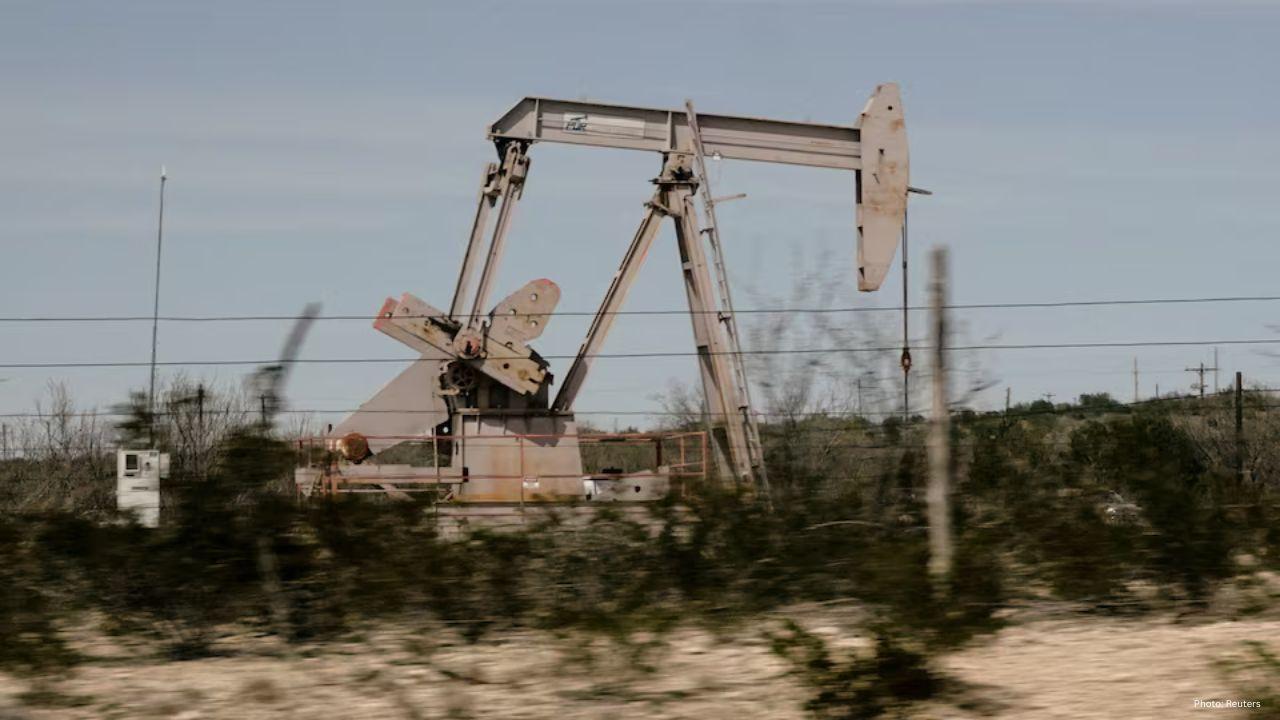
Oil prices showed a small rise on Tuesday after early signs that the United States and China are working to reduce their trade tensions. This small improvement helped bring back some confidence to the global oil market, which had been worried about falling demand due to trade and political issues.
Talks Between the US and China Bring Hope
U.S. President Donald Trump remains committed to meeting Chinese President Xi Jinping later this month in South Korea. According to U.S. Treasury Secretary Scott Bessent, both sides have been in close contact, and more meetings are expected soon. This new round of communication has given traders hope that the two largest economies in the world may find a way to reduce pressure from tariffs and export controls.
The ongoing talks have made investors more positive, as better relations between the two countries often support stronger world trade. This can lead to higher energy use and better oil demand across industries.
Oil Prices Move Up Slightly
In early Tuesday trading, Brent crude rose by 22 cents, or 0.4%, reaching $63.54 per barrel. At the same time, U.S. West Texas Intermediate (WTI) crude also gained 22 cents, or 0.4%, to $59.71 per barrel.
The previous session had already shown some recovery, with Brent gaining 0.9% and WTI rising 1%. Analysts from Saxo Bank said oil prices “steadied as investors weighed U.S.–China tensions against demand.” They added that Trump’s softer tone and openness to a deal helped calm the market.
When trade relations between Washington and Beijing improve, oil prices usually rise. Investors expect better economic growth and increased fuel use as industries and transportation expand with smoother trade.
Uncertainty Still in the Market
Even with some positive signs, not all concerns have gone away. Recently, China increased its export controls on rare earth materials, which are used in many technologies. At the same time, President Trump warned of new 100% tariffs and software export limits starting November 1. These steps have caused unease among market players and raised fears that trade tensions might flare up again.
Last week, oil prices had fallen to their lowest level since May, marking a weak period for the market. Many investors worry that if the U.S. and China do not reach a deal soon, demand for oil could drop again.
APEC Summit Meeting in Question
Earlier, Trump had expressed doubt about his meeting with Xi Jinping at the Asia-Pacific Economic Cooperation (APEC) Summit in South Korea, planned for October 30–November 1. He wrote on his Truth Social account that “there seems to be no reason” for the meeting, suggesting uncertainty over whether it will actually take place.
However, the recent more peaceful tone from both sides has limited panic in the market. Investors believe that as long as the two nations keep talking, oil prices will remain stable and avoid sharp declines.
Geopolitical Risks Still Play a Role
According to Daniel Hynes, an analyst at ANZ Bank, the oil industry is still facing big geopolitical risks. “China announced that it would levy U.S.-owned ships arriving at its ports, including oil tankers,” he said. This policy led to several shipping cancellations and higher shipping costs, which may affect oil delivery timelines.
Meanwhile, President Trump declared an end to the two-year Gaza war, which had earlier disrupted oil supplies in the Middle East. The easing of this conflict may reduce some of the global supply risks for now, though political tensions in the region remain fragile.
OPEC+ Report Shows Market Balance Ahead
In its latest monthly report, the Organization of the Petroleum Exporting Countries (OPEC) and its allies, known as OPEC+, stated that the oil market’s supply shortfall will shrink in 2026. This will happen as the group plans to increase production gradually.
OPEC+ includes major oil producers like Russia and Saudi Arabia, who have been managing output cuts to support oil prices over the past year. The alliance’s report suggests a balanced market ahead, as production levels adjust to match global demand more effectively.
Outlook for Oil Market
Analysts expect oil prices to remain steady in the short term as investors watch political developments closely. If the U.S. and China manage to improve their trade relationship, oil prices may rise further in the coming weeks. However, if talks break down or new tariffs begin, the market could face another drop.
For now, most traders are cautiously optimistic. The hope for better trade relations between Washington and Beijing and easing conflicts in the Middle East have given oil prices a small lift.
Still, many believe that oil markets will stay sensitive to any political or economic changes. A single statement or policy move from either side could quickly shift market direction.







Starbucks Engages Boyu Capital for Major Chinese Expansion
Starbucks teams up with Boyu Capital, selling a majority stake to boost growth and adapt to the Chin

Three Individuals Charged in Massive Meth Trafficking Case in Malaysia
In Malaysia, a married couple and another suspect are charged with trafficking 510kg of meth, facing

Singapore Police Revisit Geylang Murder Scene with Suspect
In Geylang, police return a murder suspect to the scene of a crime involving the fatal stabbing of a

Mattel Revives Masters of the Universe Action Figures Ahead of Film Launch
Mattel is reintroducing Masters of the Universe figures in line with its upcoming film, tapping into

China Executes 11 Members of Criminal Clan Linked to Myanmar Scam
China has executed 11 criminals associated with the Ming family, known for major scams and human tra