Post by : Raina Nasser
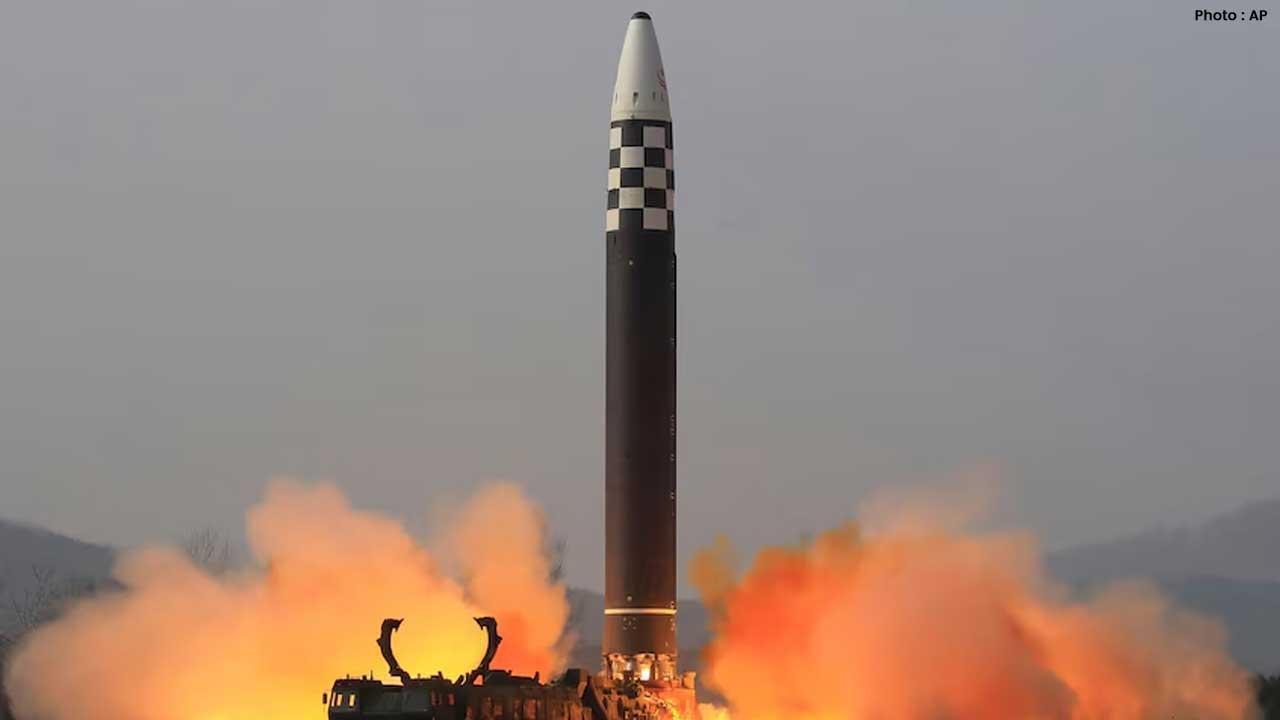
On Friday, North Korea launched a ballistic missile into the sea off its eastern coast, as confirmed by both South Korea and Japan. This incident marks another escalation in the already heightened tensions in the region. The missile launch coincided closely with U.S. President Donald Trump’s open invitation to resume talks with Kim Jong Un.
South Korea's military suspects the missile to be of a short-range type, fired from a northwestern region near China. It traveled approximately 700 kilometers (about 435 miles) before landing in the sea. This activity was monitored in real time by both South Korean and American surveillance systems, with information shared promptly with Japan.
Officials from Japan have also verified the missile launch, indicating it likely fell outside their exclusive economic zone. Prime Minister Sanae Takaichi confirmed there were no reported damages or casualties as a result of this incident.
This missile test continues North Korea’s trend of conducting missile launches during diplomatic openings from Washington. During his recent visit to South Korea, Trump reaffirmed his readiness to meet with Kim Jong Un, stirring speculation about a potential breakthrough in relations; however, no concrete meeting arrangements were made.
Trump, who previously met Kim at the Panmunjom truce village in 2019, expressed interest in possibly returning, stating he remains open to future talks. Although Kim has yet to respond to Trump’s latest outreach, he has previously noted his “fond memories” of their past encounters, indicating a willingness for dialogue, but only if the U.S. ceases its demands for total denuclearization.
Simultaneously, North Korea’s foreign ministry criticized the Trump administration on Thursday, alleging that continued sanctions against its officials and institutions over money laundering were antagonistic actions. They pledged retaliation but did not clarify what form that would take.
This missile launch follows U.S. Defense Secretary Pete Hegseth's visit to Seoul, during which he reaffirmed the United States’ “ironclad commitment” to the U.S.-South Korea security alliance. Hegseth stressed that U.S. forces in South Korea remain focused on deterring threats from the North, while maintaining strategic flexibility for broader regional concerns.
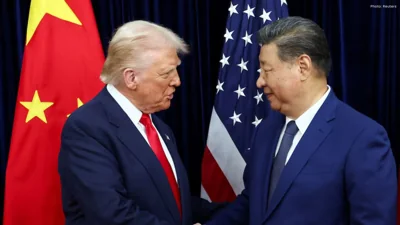
In recent weeks, North Korea has conducted several missile tests, including short-range ballistic and cruise missiles, along with what it claimed was a hypersonic weapon, just prior to a significant regional summit featuring Trump and Chinese President Xi Jinping.
The increased frequency of these missile launches highlights Pyongyang’s persistent efforts to enhance its military capabilities and leverage its position amid ongoing calls for diplomatic engagement. As developments continue, regional stakeholders remain vigilant for further provocative actions or indications of negotiation.









Mattel Revives Masters of the Universe Action Figures Ahead of Film Launch
Mattel is reintroducing Masters of the Universe figures in line with its upcoming film, tapping into

China Executes 11 Members of Criminal Clan Linked to Myanmar Scam
China has executed 11 criminals associated with the Ming family, known for major scams and human tra
US Issues Alarm to Iran as Military Forces Deploy in Gulf Region
With a significant military presence in the Gulf, Trump urges Iran to negotiate a nuclear deal or fa

Copper Prices Reach Unprecedented Highs Amid Geopolitical Turmoil
Copper prices soar to all-time highs as geopolitical tensions and a weakening dollar boost investor

New Zealand Secures First Win Against India, Triumph by 50 Runs
New Zealand won the 4th T20I against India by 50 runs in Vizag. Despite Dube's impressive 65, India