Post by : Raina Nasser
In a significant conservation effort, New Zealand has unveiled a plan to eliminate feral cats nationwide by 2050. Conservation Minister Tama Potaka labeled these cats as "stone cold killers" and announced their inclusion in the Predator Free 2050 initiative, originally launched in 2016, which seeks to eradicate invasive species threatening native birds, bats, lizards, and insects.
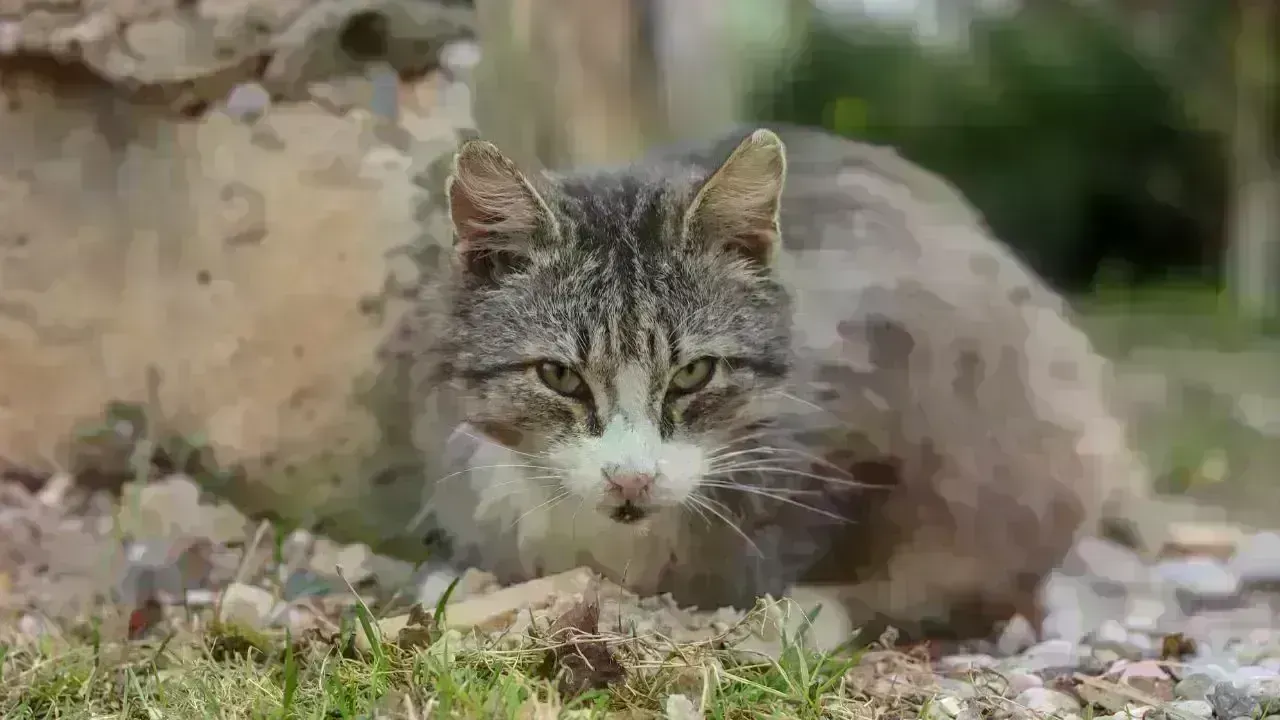
Feral cats, which thrive independently of human care, hunt native species across forests and islands, presenting a critical challenge to New Zealand's biodiversity—housing numerous unique species. Experts argue that managing their numbers is essential for the preservation of diverse wildlife.
At present, New Zealand's feral cat population is over 2.5 million, inhabiting regions from forests to remote islands. Growing as long as a meter including the tail and weighing up to seven kilograms, these predators pose a significant threat to endangered species, such as the southern dotterel on Stewart Island and various short-tailed bat populations near Ohakune.
Potaka also highlighted the health implications posed by feral cats, noting their role in transmitting diseases like toxoplasmosis, which can affect humans, livestock, and even dolphins. It's important to note that domesticated cats will not be part of this initiative.
Previously, the Predator Free 2050 initiative concentrated on eradicating other invasive species, including ferrets, stoats, weasels, rats, and possums. The addition of feral cats marks a new direction in protecting New Zealand's ecological integrity and heritage.
The Department of Conservation (DOC) is experimenting with a two-phase method for controlling feral cats, using meat-based bait. Initially, a non-harmful bait will attract the cats, succeeded by a poisoned bait containing 1080, a chemical already utilized in pest control measures. Though effective, there are apprehensions regarding its impact on other wildlife.
A comprehensive national strategy targeting the reduction of feral cat populations is anticipated for release by March 2026. Officials emphasize the necessity of this program to safeguard New Zealand’s unique ecosystems and protect its native species for future generations.










Mattel Revives Masters of the Universe Action Figures Ahead of Film Launch
Mattel is reintroducing Masters of the Universe figures in line with its upcoming film, tapping into

China Executes 11 Members of Criminal Clan Linked to Myanmar Scam
China has executed 11 criminals associated with the Ming family, known for major scams and human tra

US Issues Alarm to Iran as Military Forces Deploy in Gulf Region
With a significant military presence in the Gulf, Trump urges Iran to negotiate a nuclear deal or fa

Copper Prices Reach Unprecedented Highs Amid Geopolitical Turmoil
Copper prices soar to all-time highs as geopolitical tensions and a weakening dollar boost investor

New Zealand Secures First Win Against India, Triumph by 50 Runs
New Zealand won the 4th T20I against India by 50 runs in Vizag. Despite Dube's impressive 65, India