Post by : Anees Nasser
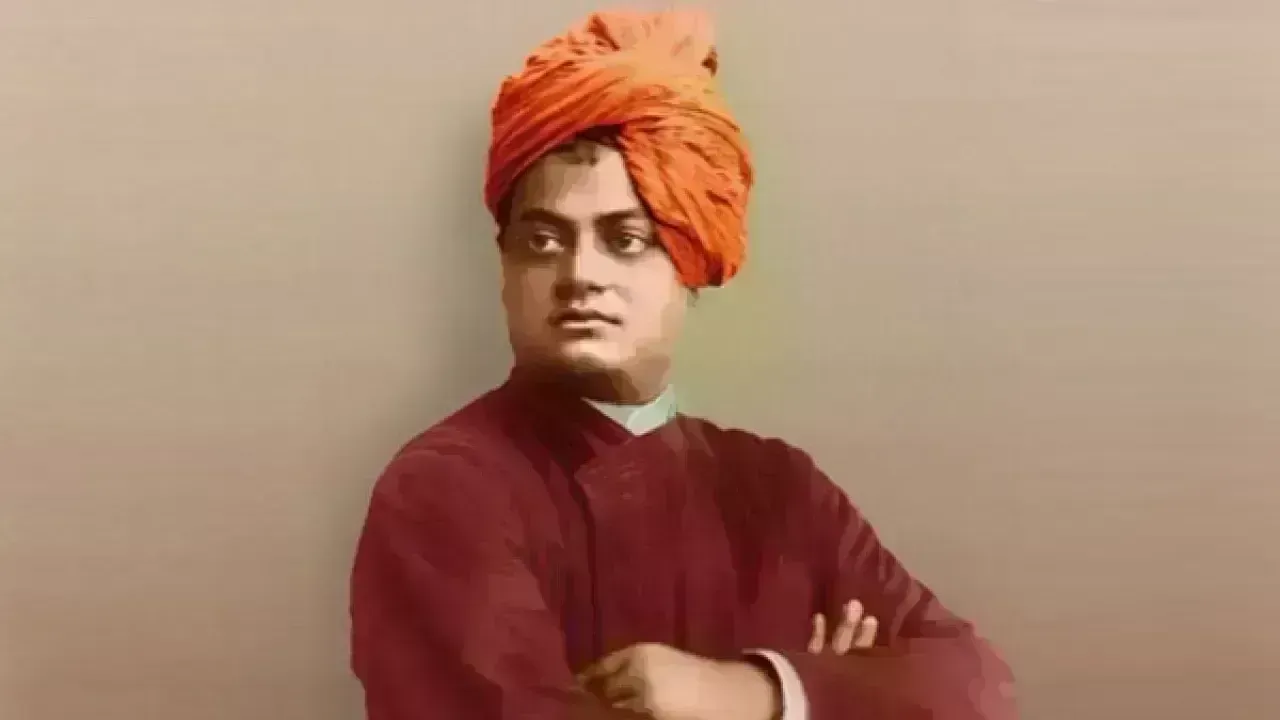
Every year on January 12, India commemorates National Youth Day to honor the birth of Swami Vivekananda, a profound thinker and spiritual leader. Established in 1984, the first celebration was conducted in 1985. This observance encourages the youth to engage in nation-building efforts.
At its essence, National Youth Day conveys a crucial message: a nation thrives based on how well it nurtures its younger generations. Given that over half of India’s population is under 35, this day holds tremendous importance. It's more than just formal events; it calls upon youth to develop themselves, practice discipline, and embrace social responsibility.
January 12 marks the birthday of Swami Vivekananda in 1863. His enduring philosophy resonates profoundly today, as it speaks to individual growth and collective advancement. He proclaimed that a strong nation is built on pillars of strength, confidence, and character. Choosing his birthday as National Youth Day was an intentional act to align youth celebration with ideals of fearless action, intellectual clarity, and humanitarian service.
Vivekananda's message urged the youth to engage actively with society rather than withdrawing. His teachings advocate self-belief and responsibility, making this day not just a memorial but a beacon for young Indians confronting contemporary challenges.
Unlike many commemorative days, National Youth Day offers deep intellectual engagement. It urges contemplation on purpose, ethics, resilience, and leadership—distinguishing it from common celebrations.
Swami Vivekananda imparted a strong message to youth: to be resilient in mind and body, assured in thought, and kind in action. His emphasis on character over mere information accumulation remains especially significant in today's fast-paced, performance-driven landscape.
Central to National Youth Day is the idea of inner strength. Vivekananda spoke passionately about courage, self-discipline, and perseverance. For him, true education transcends degrees, focusing on the ability to remain steadfast in adversity and act ethically, even when challenged.
In today’s context, this philosophy urges youth to pursue long-term growth rather than seek instant success, recognizing that setbacks are part of the journey and resilience is a critical asset.
Vivekananda perceived education as a tool for uncovering existing potential within individuals. This notion closely aligns with modern discussions surrounding skill development, critical thinking, and emotional intelligence. National Youth Day highlights these dialogues, prompting institutions and individuals to reconsider the essence of meaningful education.
On January 12, educational institutions, youth groups, and communities nationwide engage in various activities, including seminars, cultural programs, and social initiatives. The common goal remains: to inspire young people to extend their thoughts beyond self-interest and contribute positively to society.
Schools and colleges play a vital role in National Youth Day celebrations, organizing special assemblies, essay contests, and discussions centered on values and leadership. These events introduce students to Swami Vivekananda's ideals while fostering contemplation of their own goals and duties.
Such events also give young voices the opportunity to be heard, empowering students to share their insights on societal topics, innovation, and national growth, reinforcing the importance of youth engagement.
Beyond educational settings, various organizations utilize National Youth Day to mobilize community service. Initiatives like blood donation drives, cleanliness initiatives, and tree planting campaigns manifest ideals into actionable efforts, showing that patriotism and social obligation can coexist with daily commitments.
In a time marked by rapid technological advancements and global challenges, the significance of National Youth Day has only heightened. Today’s youth grapple with numerous pressures, from job competition to mental health issues. The principles espoused on January 12 guide them in navigating these complexities.
Contemporary youth are often encouraged to aspire high, innovate, and compete internationally. While ambition is vital, National Youth Day underscores that true success must not compromise integrity. Vivekananda’s teachings remind that ethical conduct gives depth to achievement.
This balance between ambition and values is particularly crucial in careers and entrepreneurial endeavors, where decisions may have far-reaching social implications.
The focus on inner strength is essential regarding mental health. National Youth Day promotes self-awareness, discipline, and purpose as strategies for coping with stress and uncertainty. By fostering confidence from within, it challenges the reliance on external validation.
An empowering takeaway from National Youth Day is recognizing that youth are not just future leaders but are leaders here and now. History demonstrates that significant movements, technological innovations, and cultural changes are often fueled by passionate young individuals.
Young minds possess an inherent drive for innovation. When accompanied by a sense of responsibility, this creativity can tackle pressing issues like climate change, inequality, and education access. National Youth Day emphasizes that imagination should be matched with altruism.
By showcasing role models and success stories, the day inspires youth to leverage their abilities for the collective good, not just personal gain.
Civic participation is another key theme. An informed and active youth bolsters democracy. National Youth Day serves as a reminder of the significance of awareness, analytical thinking, and engagement in public discourse, whether through dialogue, volunteering, or responsible digital practices.
While National Youth Day is primarily an Indian observance, its message is relevant globally. Vivekananda’s principles embraced a global vision, promoting unity, tolerance, and mutual respect. His international speeches underscored humanity's interconnectedness, a theme that resonates particularly well in today's global village.
The challenges facing youth today, such as job instability and environmental crises, are universal. National Youth Day, anchored in Indian heritage, expresses a global call for youth empowerment and ethical leadership.
The day encourages cultural confidence, reminding young Indians that modernity does not necessitate abandoning their cultural roots. Balancing global engagement with cultural identity is essential in our interconnected landscape.
National Youth Day invites ongoing commitments beyond the events of January 12. Its true essence lies in motivating youth to set objectives, nurture discipline, and maintain social awareness throughout the year.
Inspiration must translate into action to create lasting change. National Youth Day embodies its spirit when young individuals apply its lessons in everyday life, whether by excelling in their fields, aiding their communities, or defending what is just.
As India advances, the youth's role will turn ever more pivotal. National Youth Day not only serves as a reminder but also as a guide towards a future rooted in confidence, compassion, and clear purpose.
Observed on January 12, National Youth Day symbolizes the potential of youth influenced by robust values. Inspired by Swami Vivekananda's vision, the observance calls for strength interwoven with humility, ambition grounded in ethics, and knowledge paired with service.
This day celebrates not just youth, but the transformative potential they hold when purpose converges with action. Hence, National Youth Day transcends a fixed date; it symbolizes a lifestyle to uphold every day.
Disclaimer:
This article serves informational and educational purposes only. It reflects historical facts, broad interpretations, and general viewpoints on National Youth Day and does not assert to represent any official policy or institutional stance.










Price Increase for Sony PS5 in Southeast Asia Effective May 1
Sony announces a price increase for the PS5 across Southeast Asia starting May 1, 2026, impacting ga

Potential ‘Super El Niño’ in 2026: Understanding the Climate Risks
Could a Super El Niño emerge in 2026? Discover its implications and potential global climate impacts

Global Energy Crisis Intensifies: Markets React to Oil Supply Challenges
Markets are on edge as oil disruptions escalate, influencing prices and economic stability. Explore

Must-See Tourist Spots in London You Can't Overlook
Explore London's essential attractions, from royal landmarks to vibrant markets, ensuring an unforge

Ultimate Guide to Snagging Cheap Flights in 2026
Unlock the secrets to booking affordable flights in 2026 with insightful tips and strategies tailore

The Impact of Consistent Small Investments on Wealth Building
Discover how investing small amounts regularly can positively transform your financial future over t