Post by : Saif Nasser
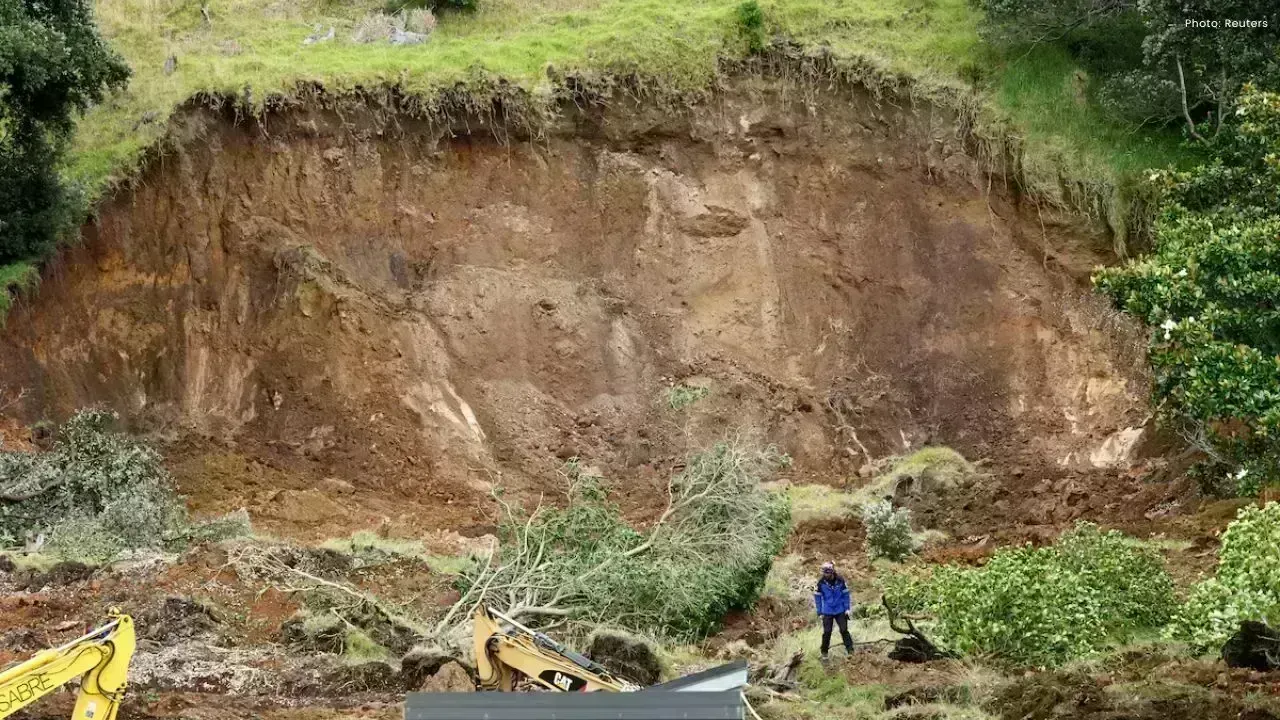
Severe flooding in Mozambique has created a new and deadly danger for people already struggling to survive. As rivers overflow and towns remain underwater, crocodiles are moving out of their natural habitats and into streets, homes, and evacuation areas. Authorities say at least three people have been killed by crocodile attacks during the floods.
One of the worst-hit areas is Xai-Xai, the capital of Gaza province in southern Mozambique. Floodwaters have covered large parts of the town, forcing thousands of families to move to higher ground. Local officials have warned residents to stay away from still or slow-moving water, where crocodiles may be hiding.
Heavy rains across southern Africa over the past month have caused rivers to burst their banks. The Limpopo River, which flows from South Africa through Mozambique to the Indian Ocean, has risen sharply. As water levels increased, crocodiles that usually live in the river were able to reach towns and villages that are now submerged.
Officials confirmed that three of the 13 flood-related deaths in Mozambique were caused by crocodile attacks. In Gaza province, two people were killed and three others injured in one incident earlier this month. In Maputo province, a man was reportedly dragged away and killed by a crocodile in the town of Moamba.
Authorities believe some crocodiles may have been pushed into populated areas by floodwaters coming from a wildlife park in neighboring South Africa. Local leaders have urged people not to approach water pools, flooded fields, or riverbanks, as crocodiles can drift silently through connected waterways.
Beyond the threat from wildlife, the floods have caused a growing humanitarian emergency. More than 700,000 people have been affected across Mozambique, with children making up over half of those impacted. Thousands of homes have been destroyed, along with roads, bridges, schools, and farms.
The health situation is also becoming critical. At least 44 health facilities in Gaza and Maputo provinces have been damaged or destroyed. Tens of thousands of people now lack access to basic medical care. Many families displaced to temporary shelters have little or no health support.
Health officials warn that people who depend on regular medication face serious risks due to disrupted services. There are also fears of disease outbreaks, including cholera, as clean water supplies are contaminated and sanitation systems break down.
Across Mozambique, South Africa, and Zimbabwe, more than 100 people have died due to floods and heavy rains. Crops have been wiped out, raising concerns about hunger and long-term food shortages for millions of small farmers.
As floodwaters slowly recede in some areas, the danger remains high. Authorities and aid groups stress that urgent support is needed to restore health services, provide safe shelter, and protect communities from further loss of life in this ongoing crisis.



DAE Achieves Remarkable Growth in Q1 2026 With Record Revenue
Dubai Aerospace Enterprise announces impressive financial results for Q1 2026, reflecting a surge in

Price Increase for Sony PS5 in Southeast Asia Effective May 1
Sony announces a price increase for the PS5 across Southeast Asia starting May 1, 2026, impacting ga

Potential ‘Super El Niño’ in 2026: Understanding the Climate Risks
Could a Super El Niño emerge in 2026? Discover its implications and potential global climate impacts

Global Energy Crisis Intensifies: Markets React to Oil Supply Challenges
Markets are on edge as oil disruptions escalate, influencing prices and economic stability. Explore

Must-See Tourist Spots in London You Can't Overlook
Explore London's essential attractions, from royal landmarks to vibrant markets, ensuring an unforge

Ultimate Guide to Snagging Cheap Flights in 2026
Unlock the secrets to booking affordable flights in 2026 with insightful tips and strategies tailore




