Post by : Sami Jeet
Disclaimer: This article serves informational purposes and does not substitute professional medical advice. Always consult a physician before altering your health monitoring or medication strategies.
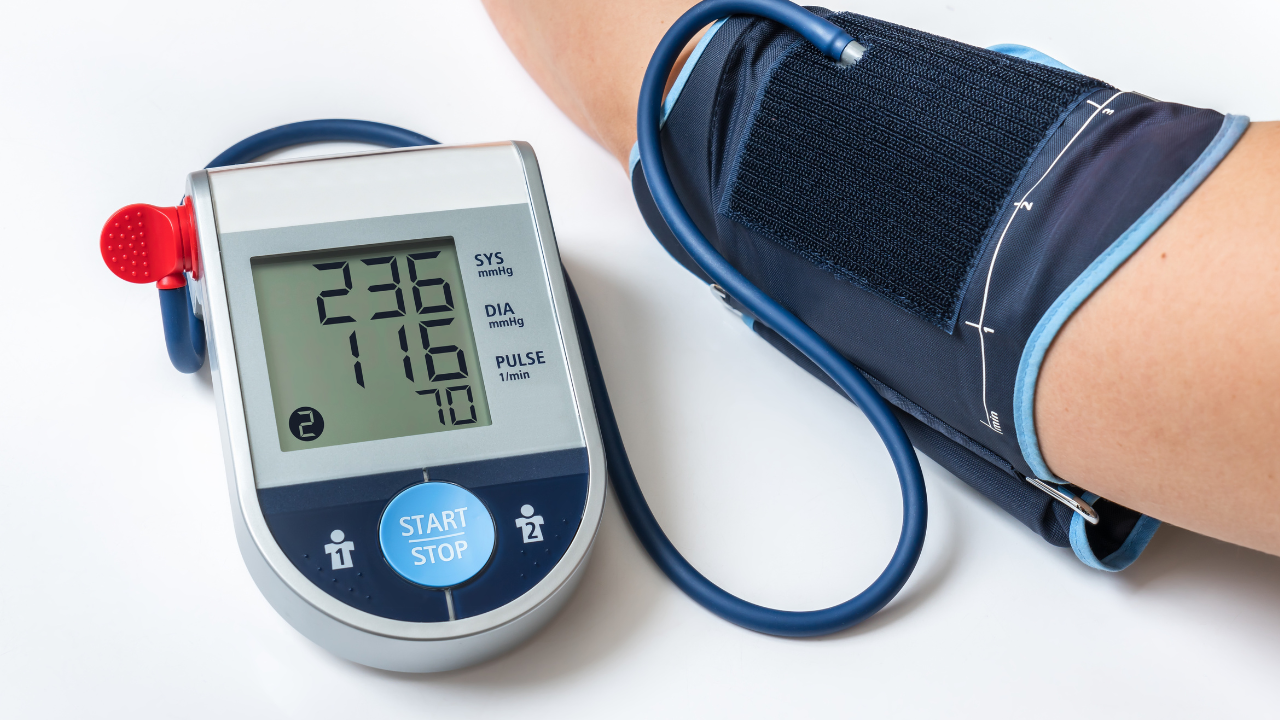
High blood pressure, or hypertension, is often termed the “silent killer”, as it typically presents no obvious symptoms yet can result in heart complications, strokes, and kidney issues if unchecked. Consistent monitoring is vital—and taking your blood pressure at home has emerged as a key method in tracking cardiovascular health.
Modern home blood pressure monitors are budget-friendly, user-friendly, and yield medically sound results when used appropriately. They enable individuals to take charge of their health without the need for constant doctor visits, aiding healthcare professionals in making better-informed treatment decisions.
Understanding what your numbers indicate is crucial before selecting a monitor.
A blood pressure reading consists of two figures:
Systolic Pressure (First Number): The pressure in your arteries during heartbeats.
Diastolic Pressure (Second Number): The pressure in your arteries when your heart rests between beats.
According to the American Heart Association (AHA):
Normal: Below 120/80 mmHg
Elevated: 120–129 / below 80 mmHg
High Blood Pressure (Stage 1): 130–139 / 80–89 mmHg
High Blood Pressure (Stage 2): 140/90 mmHg or higher
If your readings are persistently elevated, consulting a healthcare professional is essential.
Regularly checking your blood pressure at home provides numerous health benefits:
Early Detection: Spots rising blood pressure levels prior to severe health issues.
Accurate Tracking: Offers a better understanding of daily blood pressure variations compared to sporadic clinical visits.
Treatment Assessment: Aids doctors in evaluating the effectiveness of medications or lifestyle alterations.
Reduced “White Coat” Effect: Those who feel anxious in clinical environments may get more accurate readings at home.
Empowerment: Fosters healthier habits and enhances personal accountability towards long-term heart wellness.
Not all blood pressure monitors are created equal. The most suitable one for you will depend on precision, comfort, usability, and connectivity. Here’s how to make an informed choice:
Upper Arm Monitors: Most precise and frequently recommended by health professionals.
Wrist Monitors: Convenient but may be sensitive to arm positions—best for individuals uncomfortable with upper arm cuffs.
Finger Monitors: Generally less trustworthy; not advised for precise medical assessment.
Always pick a monitor that is clinically validated for accuracy by established organizations like the AHA, BHS, or ESH. Seek these certifications on the packaging or the manufacturer's online presence.
Contemporary monitors come equipped with intelligent features:
Bluetooth Integration: Automatically syncs readings to your smartphone or wellness app.
Multiple User Profiles: Perfect for families sharing one device.
Memory Storage: Helps retain previous readings for simple reference.
Large Displays or Voice Prompts: Beneficial for older users or those with vision challenges.
Select a cuff that fits your arm accurately. A cuff that's too tight or too loose will lead to flawed readings. Measure your arm circumference and ensure it matches the device specifications prior to purchase.
Even top-quality monitors can yield inaccurate data if used incorrectly. For the most reliable home readings, adhere to these guidelines:
Rest for 5 Minutes: Pause before measuring; avoid caffeine, tobacco, or exercise for no less than 30 minutes prior.
Measure at the Same Time Daily: Morning (prior to medication) and evening (before dinner) readings are optimal.
Positioning is Key:
Ensure your back is supported and feet are flat on the ground.
Place your arm on a table to keep the cuff at heart level.
Avoid Movement or Speaking: Remain still and silent during the measurement process.
Take Two or Three Readings: Wait a minute between readings and calculate the average.
Document Your Results: Use a log or the app connected to your monitor. Share this information with your doctor during visits.
Often, individuals unknowingly make mistakes that lead to erroneous readings. Steer clear of these pitfalls:
Taking readings immediately after exercise or climbing stairs.
Wrapping the cuff around clothing.
Crossing legs or slouching during measurement.
Utilizing a damaged or improperly sized cuff.
Comparing measurements from different devices without calibration.
Adhering to proper techniques ensures your results are dependable and valuable for medical evaluation.
While preferences for specific models differ by region, these types consistently receive accolades for precision and user-friendliness:
Omron Platinum or Evolv Series: Clinically validated, trustworthy, and Bluetooth-ready.
Withings BPM Connect: Sleek design with smartphone integration to monitor trends.
A&D Medical Upper Arm Monitor: Features a simple interface with remarkable accuracy.
Beurer BM Series: Includes memory storage and family-friendly features.
Ensure that the device you choose is certified by your local medical authority or comes with appropriate validation credentials.
At-home monitoring serves as a resource for awareness—not a substitute for professional evaluation. Contact your healthcare provider if:
Your readings consistently surpass 130/80 mmHg.
You experience symptoms like dizziness, shortness of breath, or chest discomfort.
Your blood pressure drops unexpectedly below 90/60 mmHg without reason.
Your healthcare provider can determine whether your readings signify actual hypertension or temporary variations due to stress, dietary choices, or dehydration.
Regular monitoring of blood pressure is merely one aspect of sustaining cardiovascular health. Pair consistent readings with wise daily routines:
Maintain a Balanced Diet: Embrace fruits, vegetables, whole grains, and low-sodium options.
Engage in Regular Exercise: Aim for at least 30 minutes of moderate activity five days a week.
Limit Alcohol and Caffeine Intake: These substances can elevate blood pressure levels.
Manage Stress Levels: Explore options like deep breathing, yoga, or meditation.
Prioritize Good Sleep: Strive for 7–8 hours of sleep every night.
When combined with regular monitoring, these strategies can significantly lower your risk of complications related to hypertension.
Taking your blood pressure at home stands as one of the most effective strategies for managing heart health. With the appropriate monitor and correct usage techniques, you can identify early warning signs, track your health journey, and provide essential information to your healthcare professional for ongoing management.
Remember: your health journey commences with awareness—one accurate reading at a time.










DAE Achieves Remarkable Growth in Q1 2026 With Record Revenue
Dubai Aerospace Enterprise announces impressive financial results for Q1 2026, reflecting a surge in

Price Increase for Sony PS5 in Southeast Asia Effective May 1
Sony announces a price increase for the PS5 across Southeast Asia starting May 1, 2026, impacting ga

Potential ‘Super El Niño’ in 2026: Understanding the Climate Risks
Could a Super El Niño emerge in 2026? Discover its implications and potential global climate impacts

Global Energy Crisis Intensifies: Markets React to Oil Supply Challenges
Markets are on edge as oil disruptions escalate, influencing prices and economic stability. Explore

Must-See Tourist Spots in London You Can't Overlook
Explore London's essential attractions, from royal landmarks to vibrant markets, ensuring an unforge

Ultimate Guide to Snagging Cheap Flights in 2026
Unlock the secrets to booking affordable flights in 2026 with insightful tips and strategies tailore




