Post by : Saif Nasser
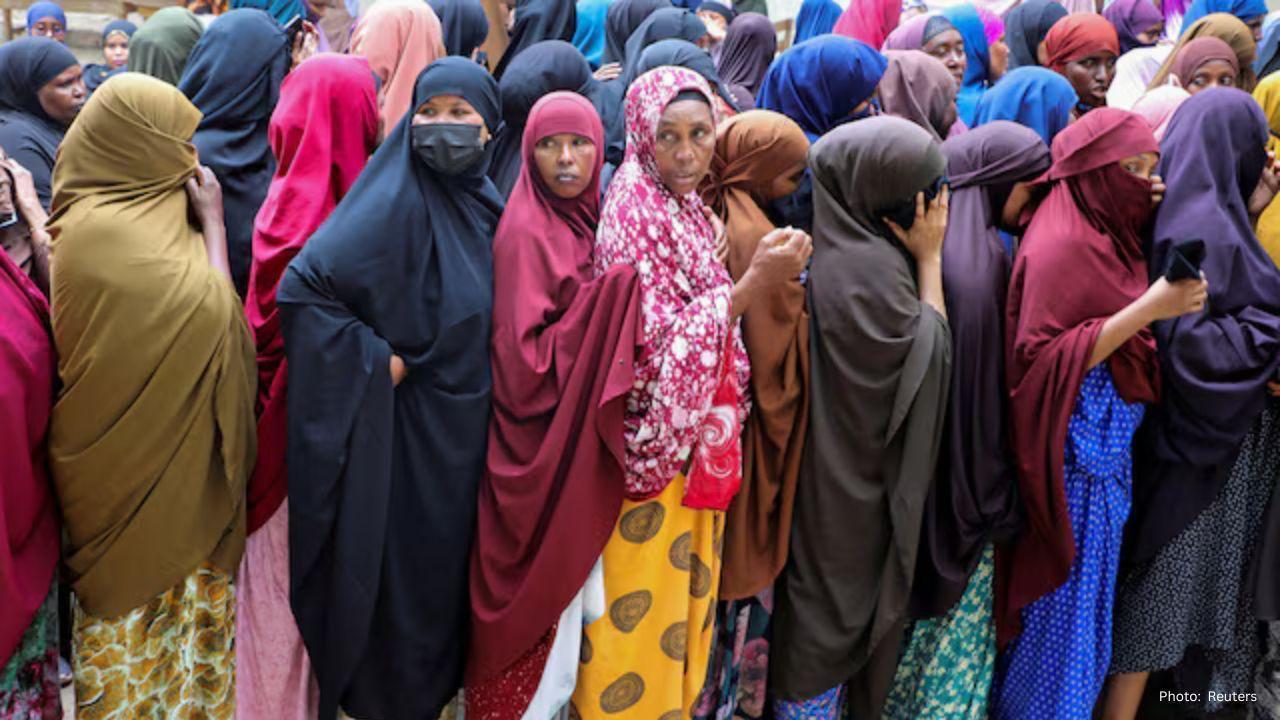
Somalia’s capital city, Mogadishu, witnessed a historic moment on Thursday as residents voted in local government elections. This vote is seen as the first real step toward restoring universal suffrage in the country, something Somalia has not experienced at the national level for more than five decades.
The last time Somalis voted directly in national elections was in 1969, just before a military coup brought General Mohamed Siad Barre to power. After his government collapsed in 1991, Somalia fell into years of civil war. To reduce conflict between powerful clans, the country adopted an indirect voting system in 2004. Under that system, clan elders selected lawmakers, who then chose the president and other leaders.
Many citizens have long criticized this indirect system. They argue it keeps ordinary people away from decision-making and allows corruption to grow. The Mogadishu vote breaks from that tradition, allowing residents to choose their local representatives directly for the first time in many years.
In the election, about 1,605 candidates competed for 390 seats on district councils across the city. These council members will later select Mogadishu’s mayor. Election officials say the vote is a test run for nationwide direct elections planned for 2026.
Security was tight throughout the city. Authorities closed roads, businesses, the airport, and the port for the day. Around 10,000 security personnel were deployed to protect polling stations. Despite ongoing threats from the al Qaeda-linked group al Shabaab, voter turnout was steady, with long lines forming early in the morning.
For many residents, the day carried deep emotional meaning. Older voters, some casting a ballot for the first time in their lives, spoke of pride and hope. Many saw the vote as proof that Somalia is slowly moving forward after decades of instability.
In 2024, Somalia passed a law restoring universal suffrage ahead of federal elections expected next year. However, political debate remains. President Hassan Sheikh Mohamud agreed with some opposition leaders that while lawmakers would be elected directly in 2026, the president would still be chosen by parliament. Critics say the fast changes could favor those already in power.
Opposition parties have also raised concerns about security, pointing out that al Shabaab still controls large rural areas and continues to carry out attacks in cities. They question whether the country is fully ready for nationwide voting.
Even with these concerns, the Mogadishu election is widely seen as a hopeful sign. It shows a public desire for change and a move toward giving ordinary citizens a stronger voice in shaping Somalia’s future.







Mattel Revives Masters of the Universe Action Figures Ahead of Film Launch
Mattel is reintroducing Masters of the Universe figures in line with its upcoming film, tapping into

China Executes 11 Members of Criminal Clan Linked to Myanmar Scam
China has executed 11 criminals associated with the Ming family, known for major scams and human tra

US Issues Alarm to Iran as Military Forces Deploy in Gulf Region
With a significant military presence in the Gulf, Trump urges Iran to negotiate a nuclear deal or fa

Copper Prices Reach Unprecedented Highs Amid Geopolitical Turmoil
Copper prices soar to all-time highs as geopolitical tensions and a weakening dollar boost investor
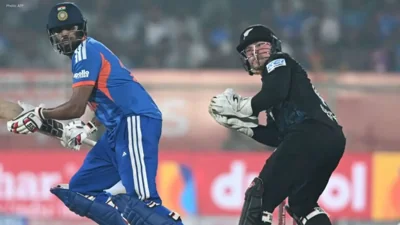
New Zealand Secures First Win Against India, Triumph by 50 Runs
New Zealand won the 4th T20I against India by 50 runs in Vizag. Despite Dube's impressive 65, India