Post by : Anees Nasser
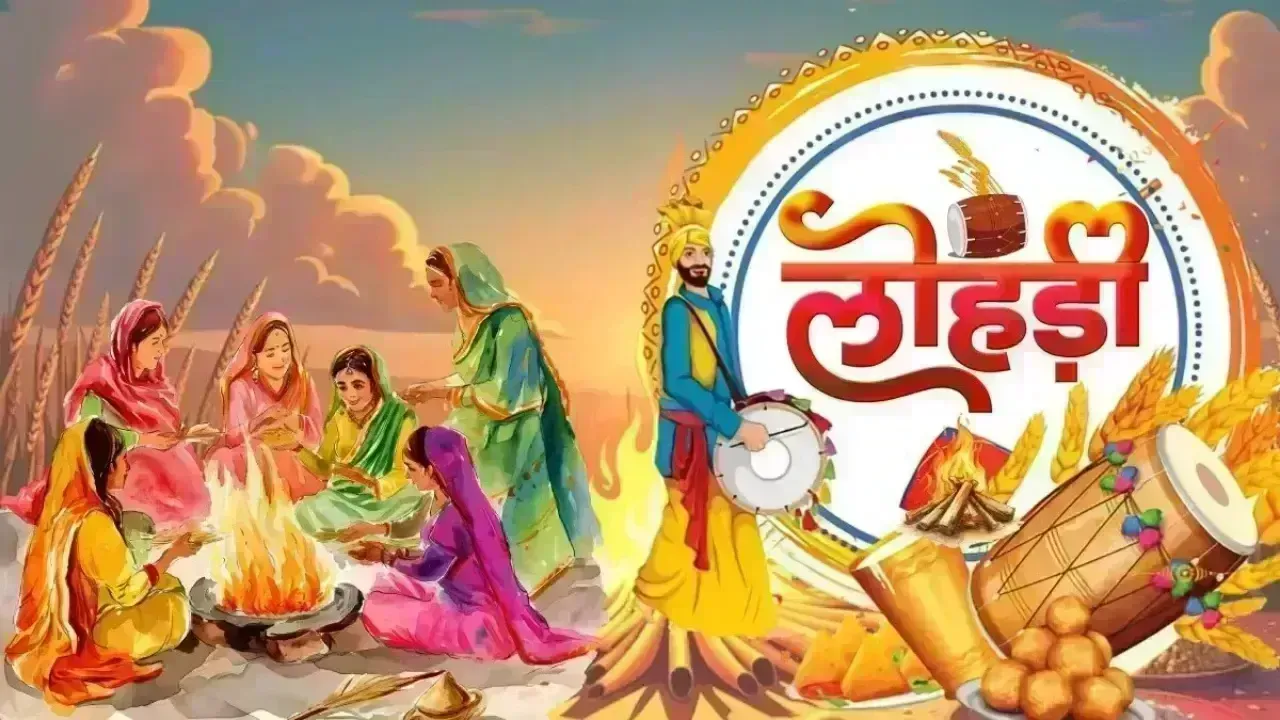
Lohri transcends mere celebration; it embodies community spirit, resilience, and thankfulness. Originating in North India's rural landscapes, this festival symbolizes the emotional transition out of winter, welcoming brighter days. In 2026, Lohri offers a collective experience of warmth, as firelight breaks the winter gloom and shared rituals foster connection.
The festival is intimately woven into agricultural rhythms. For countless years, farmers have embraced Lohri as a beacon of hope, a moment to honor their toil, patience, and faith in the earth. Beyond its agrarian roots, Lohri evokes a sense of courage, rebirth, and community connection, preserving its emotional essence even amidst evolving urban lifestyles.
Observed on January 13 each year, Lohri in 2026 is set for Tuesday. The festivities traditionally begin post-sunset, where families congregate around the bonfire, acknowledging the shift in seasons.
This timing correlates with the sun's movement towards the northern hemisphere, heralding longer days and agricultural promise. Lohri represents a confluence of astronomical, agricultural, and cultural significance.
In contrast to lunar festivals, Lohri follows a solar calendar, cementing its ties to nature over mere ritualism. This consistent observance underscores Lohri's role as a seasonal marker aligned with agricultural cycles and community experiences.
Historically, Lohri is steeped in agrarian customs, marking the season of sowing rabi crops, particularly wheat, crucial for North India's sustenance. Celebrated as a tribute to hard work, Lohri symbolizes hope for fruitful harvests, where labor meets nature.
This celebration honors the intertwined relationship between human endeavor and natural cycles. Over time, Lohri's agricultural gratitude expanded into a broader cultural festivity, permeating beyond rural borders.
A pivotal figure associated with Lohri is Dulla Bhatti, a renowned folk hero celebrated for his strength and kindness. Songs echoing his defiance against oppression and his protective nature weave a narrative that keeps the spirit of courage alive, passing down values through generations.
At the core of Lohri, the bonfire symbolizes warmth, purification, and the sun's vital energy. Lighting the fire serves as a ritual cleansing, dispelling negativity and ushering in health, growth, and prosperity.
Gathering around the fire reflects inclusivity and unity, emphasizing Lohri's message of shared humanity across all ages and backgrounds.
Traditional offerings like sesame seeds, jaggery, peanuts, and popcorn are cast into the flames as symbols of gratitude and hope. Families encircle the bonfire, singing folk tunes or silently reflecting, creating an environment ripe with celebration and contemplation.
Integral to Lohri are its folk songs, shared in joyous groups, recounting tales of heroism and community themes. These melodies encapsulate history, joy, and knowledge, transforming the festival into a living cultural narrative.
Singing fosters a sense of belonging, linking current participants with generations past who celebrated Lohri together.
Bhangra and Gidda dances enliven Lohri with vitality and movement. These performances, conducted around the bonfire, express collective joy and strength, encouraging participation and camaraderie.
The simplicity of Lohri meals—makki di roti, sarson da saag, and more—echoes the seasonal harvest and agricultural roots. These dishes offer warmth and nourishment, intertwining sustenance with cultural expression.
Food at Lohri promotes sharing, emphasizing that prosperity thrives in community. This nurturing practice reinforces social ties and transforms individual joy into shared happiness.
Lohri highlights significant life milestones, particularly for new couples or families celebrating recent births. It publicly acknowledges life changes, merging private joy within community blessings.
These observances strengthen Lohri’s identity as a continuity festival, embracing personal milestones within a broader social context.
Lohri introduces children to cultural practices and storytelling, allowing them to naturally absorb traditions through involvement rather than formal instruction.
Urban settings have reshaped Lohri celebrations, incorporating community spaces and smaller bonfires. Regardless of scale, the essence of togetherness remains strong.
Urban Lohri reflects the adaptability of traditions and their enduring emotional significance in modern society.
Advancements in technology have added versatility to Lohri, allowing for virtual greetings and online sharing among loved ones, bridging distances while retaining the festival’s core message.
Growing environmental awareness has fostered more responsible Lohri celebrations. Smaller bonfires and sustainable methods balance tradition with ecological mindfulness.
This shift signifies the understanding that respecting nature involves active protection.
Modern Lohri increasingly emphasizes rituals, family connections, and gratitude over glitz and extravagance. This return to essentials reinforces the festival’s deep-rooted values.
Lohri 2026 illustrates that festivals embody collective values beyond dates on a calendar. Grounded in gratitude for nature, respect for labor, and community joy, Lohri continues to bridge generations through changing times. As bonfires burn and melodies fill the wintry evening air, Lohri reaffirms faith in renewal, warmth, and shared aspirations—showing that true tradition evolves while retaining its meaning.
Disclaimer:
This article serves for informational and cultural purposes only. Customs, observances, and methods of celebrating Lohri may differ across regions, families, and communities.









Anticipated Dates for UAE Eid Al Adha 2026 Unveiled by Astronomical Experts
Experts predict Eid Al Adha 2026 in the UAE to start on May 27, prompting early holiday planning amo

DAE Achieves Remarkable Growth in Q1 2026 With Record Revenue
Dubai Aerospace Enterprise announces impressive financial results for Q1 2026, reflecting a surge in

Price Increase for Sony PS5 in Southeast Asia Effective May 1
Sony announces a price increase for the PS5 across Southeast Asia starting May 1, 2026, impacting ga

Potential ‘Super El Niño’ in 2026: Understanding the Climate Risks
Could a Super El Niño emerge in 2026? Discover its implications and potential global climate impacts

Global Energy Crisis Intensifies: Markets React to Oil Supply Challenges
Markets are on edge as oil disruptions escalate, influencing prices and economic stability. Explore

Must-See Tourist Spots in London You Can't Overlook
Explore London's essential attractions, from royal landmarks to vibrant markets, ensuring an unforge




