Post by : Priya
Photo:AFP
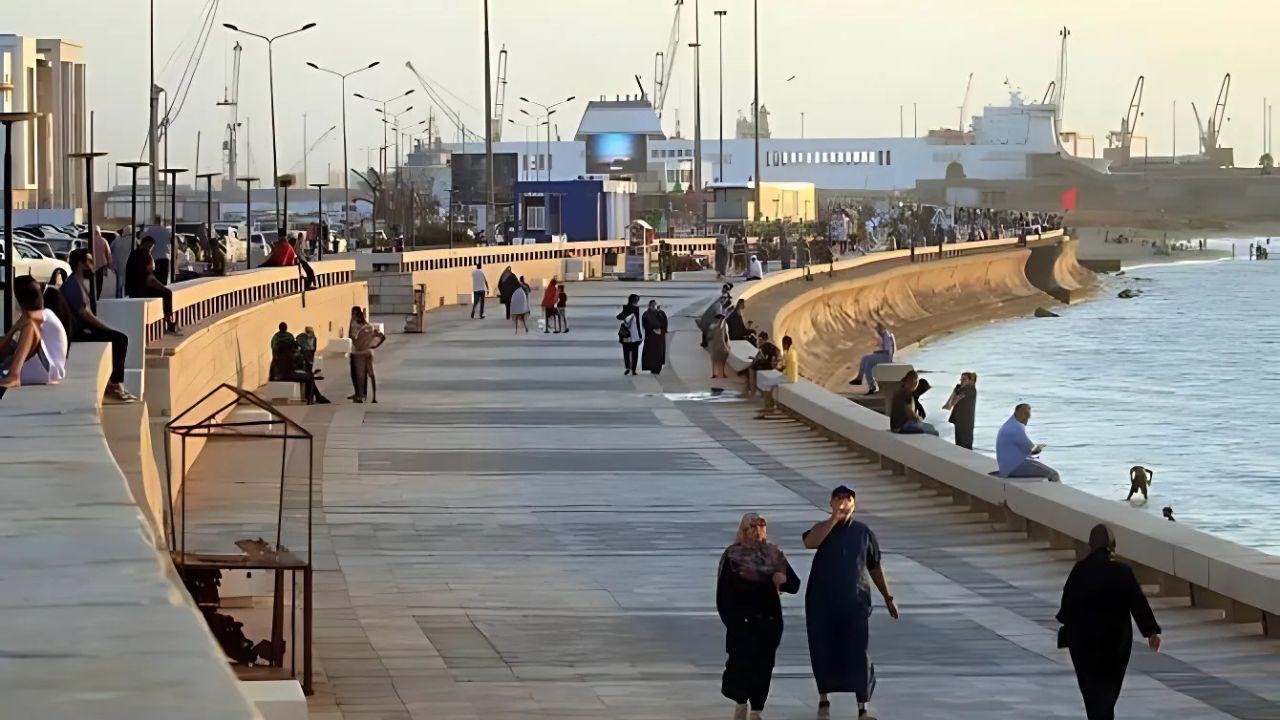
This Saturday, Libya is set to hold local elections – a rare and important event for a country still trying to find its way after years of division and conflict. For ordinary Libyans, heading to the polls is more than choosing local leaders. It is a test for peace, unity, and the hope that democracy can take root even in tough times.
Why These Local Elections Are Important
Libya has been torn apart since 2011, when longtime ruler Muammar Gaddafi was ousted. Since then, rival governments and armed groups have fought for control, causing instability and suffering for millions. Many people have lost faith in politics, and daily life is hard. This rare vote offers a chance for people to have a say and bring positive change, starting at the local level.
The elections will take place in 51 municipalities, mostly in the western part of the country. Preparations began weeks ago, managed by Libya’s High National Elections Commission (HNEC), which set up polling stations, trained staff, and called for peaceful voting. Security is tight, with police and authorities promising to keep voters safe. However, challenges remain: not all regions are ready, and eastern cities like Benghazi and Sirte have refused to take part.
Background: Libya’s Division and Its Impact
Two Rival Governments
Libya is now split into two main rival administrations – one in the west, based in Tripoli, and one in the east, allied with military leader Khalifa Haftar. Each government controls different parts of the country, has its own supporters, and disagrees on how the country should be run. This split has made national elections impossible for years.
Life for Ordinary Libyans
Most Libyans just want peace, jobs, and basic services. Many cities have seen fighting, and people are tired of instability and broken promises. Young Libyans, families, and workers hope that new local leaders can improve everyday life, rebuild roads, schools, and hospitals, and listen to their needs.
The Local Vote: What Is Happening?
Where and When
Voting is scheduled for Saturday, August 16, 2025.
More than 380,000 people are expected to vote in 51 cities and towns.
Elections in 11 municipalities (mostly in the east and south) have been suspended due to local problems.
Some areas near Tripoli postponed voting due to mistakes in handing out voter cards.
Who Is Organizing the Elections?
The High National Elections Commission (HNEC) has carefully planned these elections. Polling centers are ready, staff trained, and observers invited to watch and ensure fairness. Candidates have registered and campaigned, though rules prevent campaigning on election day.
Security Worries
Recent violence has threatened the election process. Armed men attacked an election office in Zliten, and arson attacks happened in Zawiya and Sahel al-Gharbi. While not many were hurt, these incidents caused fear and showed the dangers facing voters, officials, and candidates.
What Libyans Think – Voices from the Street
For many citizens, these elections bring hope. Esraa Abdelmonem, a mother of three in Tripoli, says, “Libyans need to vote and to have the freedom to choose without fear and without being pressured by anyone.” Local leaders connect directly with people’s daily lives, so many believe their vote truly matters.
However, some fear their votes will not count and wonder if real change is possible. Khaled al-Montasser, an expert in international relations, calls the vote “decisive.” He questions whether both eastern and western leaders are prepared to accept defeat at the ballot box, rather than by force.
The Role of the United Nations and International Support
The United Nations, through its UNSMIL mission, has supported Libya in holding elections and building democracy. The UN says these elections are “essential to uphold democratic governance” but warns that threats and insecurity could undermine trust in the process. International partners such as Italy and the UN Development Programme (UNDP) have also helped plan and fund local elections, train staff, and encourage people to vote.
Challenges Facing the Elections
Political Problems
Libya’s years of division have made organizing any election very hard. Rival governments, local officials, and armed groups do not always agree. This has led to many delays, the suspension of voting in several towns, and worries that results may not be accepted everywhere.
Security Crisis
Violence and the threat of attacks continue. Armed groups can easily cause trouble, and many people are scared. Some voters may stay home, worried for their safety. This may lead to low turnout and questions about legitimacy.
Voter Apathy and Distrust
After years without real change, many Libyans are tired and doubtful. Some may skip voting, believing it will not change their daily lives. Others may worry about corruption or cheating.
The Path Forward: Could Local Elections Unite Libya?
Despite these challenges, local elections offer hope for progress. Here’s how:
Giving People a Voice: Elections let people choose leaders who live in their communities and understand their problems.
Building Trust: Fair, peaceful voting can show that democracy works, even in tough places.
Encouraging Peace: If local leaders are chosen by the people, not by force, there may be less fighting and more focus on solving problems.
What Needs to Happen Next?
Security First: Authorities must ensure safe voting, protect polling centers, and fight any attempts at violence.
Clear Rules: Election organizers should follow strict laws and punish cheating or illegal actions. All sides must respect the results.
Inclusion: All groups—women, youth, and minorities—should participate and be heard.
Support from Outside: The UN and international partners can keep helping with money, training, and monitoring.
Long-Term Hopes for Libya
Libya’s future depends on more than just one vote. But if these local elections succeed, they could be a first step toward bigger national elections – for Parliament and President – and eventually, lasting peace.
Steps Toward National Elections
Local leaders can show how to cooperate, solve city problems, and speak up for their towns. If people trust the process, the whole country may become ready for bigger votes later. The world will be watching to see if Libyans can build a united, peaceful nation.


Mattel Revives Masters of the Universe Action Figures Ahead of Film Launch
Mattel is reintroducing Masters of the Universe figures in line with its upcoming film, tapping into
China Executes 11 Members of Criminal Clan Linked to Myanmar Scam
China has executed 11 criminals associated with the Ming family, known for major scams and human tra
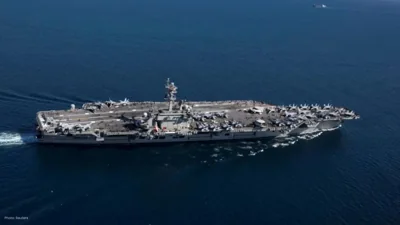
US Issues Alarm to Iran as Military Forces Deploy in Gulf Region
With a significant military presence in the Gulf, Trump urges Iran to negotiate a nuclear deal or fa

Copper Prices Reach Unprecedented Highs Amid Geopolitical Turmoil
Copper prices soar to all-time highs as geopolitical tensions and a weakening dollar boost investor
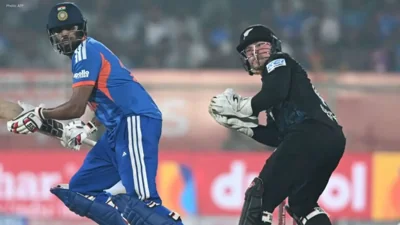
New Zealand Secures First Win Against India, Triumph by 50 Runs
New Zealand won the 4th T20I against India by 50 runs in Vizag. Despite Dube's impressive 65, India