Post by : Anees Nasser
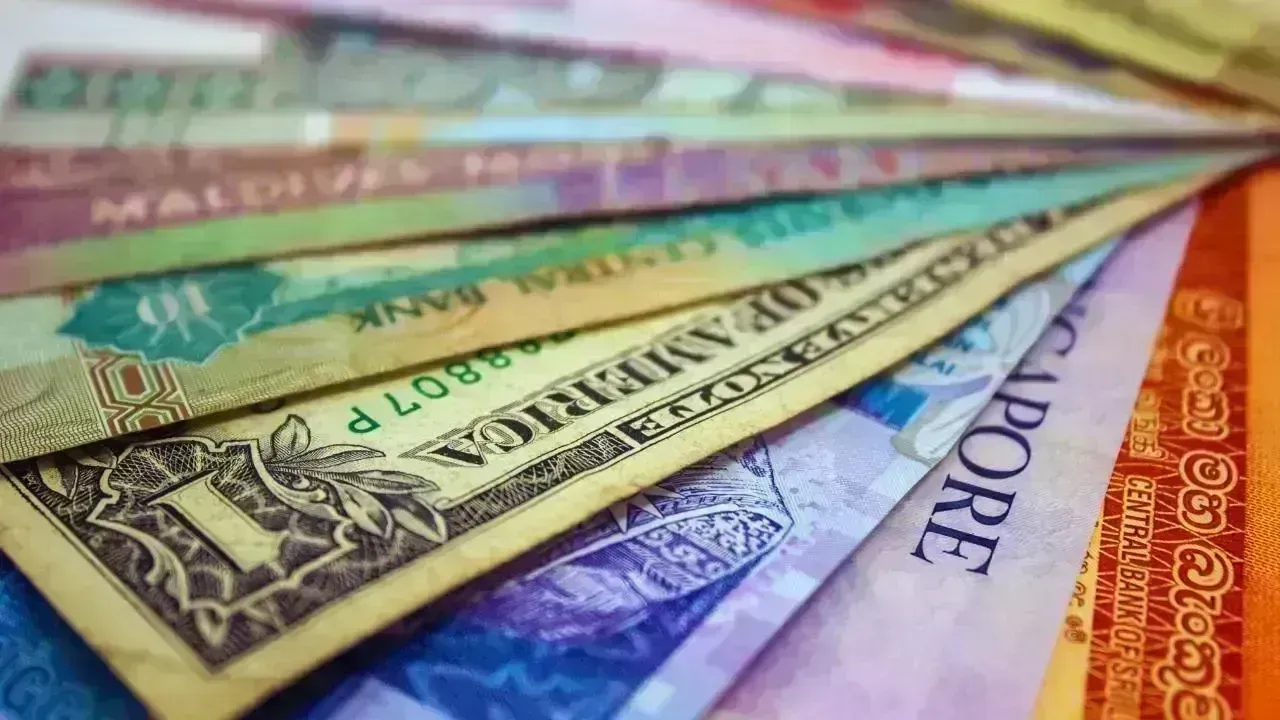
Dealing with financial issues while traveling can derail even the best-planned excursions. Unfavorable exchange rates, inaccessible funds, or unforeseen charges can lead to significant stress. International trips often introduce travelers to a range of currencies and varying banking practices.
Preparing for currency exchanges in advance can benefit travelers by:
Managing expenses effectively
Steering clear of high conversion fees
Guaranteeing access to cash during emergencies
Traveling with ease and peace of mind
By having a firm grasp on how payments operate overseas, you can focus more on your adventures rather than financial hiccups.
The exchange rate indicates the amount of local currency you will receive in return for your home currency. These rates are variable and fluctuate based on various factors such as market conditions, demand, and economic health.
The rate you find online, known as the interbank rate, is often lower once banks and exchange services apply their margins.
Exchange rates can differ greatly based on the location where you exchange currency:
Banks often provide more favorable rates
Airport kiosks frequently offer the least attractive rates
Hotels can impose high fees for convenience
Local currency exchanges may vary significantly
Convenience usually comes at a price.
It is wise to exchange a small sum before your trip for immediate needs like transportation or meals upon arrival. However, exchanging larger amounts prematurely can be less cost-effective due to limited competition.
Banks and licensed exchange centers usually offer safer transactions with more reliable laws. They are preferred for larger conversions.
Avoid unregulated street exchanges, even if their rates look appealing, to minimize counterfeit risks.
While airport exchange counters offer convenience, they can be costly. These should only be used for small, emergency amounts due to high service fees.
Cards are widely accepted in many places, but some regions still largely operate on cash. Even in mostly card-friendly locales, small shops, taxis, and rural areas might not accept cards.
It's advisable to carry a combination of payment methods.
Many banks impose foreign transaction fees when you utilize your card abroad, generally ranging from 1% to 4% per transaction, applicable to:
In-store purchases
ATM money withdrawals
Online transactions in foreign currencies
It's crucial to understand your bank's fee structure before your journey.
Some merchants might invite you to pay in your home currency rather than the local one. While it sounds convenient, this often comes with unfavorable rates.
Whenever possible, opt to pay in local currency for better conversion rates.
Withdrawing cash from foreign ATMs typically provides more favorable exchange rates compared to currency exchange counters. ATMs are widely accessible across most cities.
Be mindful of potential costs associated with ATM withdrawals, which may include:
Foreign fees from the ATM
Charges from local ATMs
Daily limits on withdrawals
Tendering smaller, frequent withdrawals will generally be more expensive. It’s usually better to withdraw larger amounts less frequently.
Banks may flag foreign transactions as suspicious and block them. Informing your bank about your travel details can help avoid any interruptions.
There's a growing reliance on digital payment methods in numerous countries. Contactless payments and mobile wallets are prevalent in urban centers and tourist areas.
However, acceptance can vary widely, even within the same city.
Digital payments depend on reliable internet and battery levels. Always be prepared with alternative options such as cash or a physical card in case of any connectivity disruptions.
When your journey involves multiple destinations, managing different currencies can be complex. Only carry what you require and exchange in smaller amounts rather than all at once.
While certain regions share common currencies, others necessitate frequent exchanges, even at borders.
Avoid exchanging excessive cash close to your trip's end, as leftover currency exchanged back often incurs poor rates.
Utilizing any remaining funds for airport purchases or final expenses can help minimize losses.
Carrying a significant amount of cash raises the likelihood of loss or theft. Distribute cash across different places like wallets, bags, or hotel safes for increased security.
Card skimming and contactless fraud are very real threats. RFID-blocking wallets provide an additional layer of protection.
Keep an eye on bank statements and transaction alerts regularly. Promptly reporting any suspicious activity boosts recovery chances.
Emergencies, extended stays, or misplaced wallets can lead to urgent currency needs. Being equipped with:
Emergency funds
Backup payment cards
Access to digital banking services
can prove essential during such crises.
International money transfer services can aid in receiving funds quickly when needed. Familiarizing yourself with these options before traveling is wise.
Tipping can differ greatly from country to country; in some places, it is expected, while in others, it may be viewed unfavorably.
Grasping local practices can prevent awkwardness and unintended costs.
Certain cultures favor cash for privacy or tradition, whereas others heavily lean on digital payments. Adapting to local payment habits streamlines transactions.
Exchange rates can vary significantly, even within a single day. Large expenses such as hotels or shopping can be notably affected by these fluctuations.
Monitoring these trends can aid in timing major expenditures more effectively.
Using foreign currency can make money feel less tangible, resulting in overspending. Staying aware of conversion rates helps to maintain a budget.
Rates fluctuate by location and time. Choosing gradual exchanges often yields better overall results.
Failing to notify banks about travel plans may lead to card issues during essential moments.
Maintain at least two cards and some cash to avoid financial challenges.
Before you set out:
Review exchange rates
Understand the fee structure for your cards
Inform your bank of your travel plans
Set up spending alerts
Arrange alternative payment options
A bit of planning can prevent significant inconvenience.
Effective currency exchange and understanding international payment methods should be prioritized in travel planning, rather than treated as an afterthought. By grasping exchange rates, avoiding hidden charges, and utilizing cards intelligently, efficient financial preparation contributes to seamless travel experiences.
When travelers are well-informed about how money transfers across borders, they can embark on their adventures free from unnecessary financial tensions.
Disclaimer:
This article serves informational purposes only. Currency regulations, fees, and payment systems vary by country and institution. Travelers are encouraged to consult with their banks or legitimate sources for the most accurate and recent information ahead of their journeys.








Price Increase for Sony PS5 in Southeast Asia Effective May 1
Sony announces a price increase for the PS5 across Southeast Asia starting May 1, 2026, impacting ga

Potential ‘Super El Niño’ in 2026: Understanding the Climate Risks
Could a Super El Niño emerge in 2026? Discover its implications and potential global climate impacts

Global Energy Crisis Intensifies: Markets React to Oil Supply Challenges
Markets are on edge as oil disruptions escalate, influencing prices and economic stability. Explore

Must-See Tourist Spots in London You Can't Overlook
Explore London's essential attractions, from royal landmarks to vibrant markets, ensuring an unforge

Ultimate Guide to Snagging Cheap Flights in 2026
Unlock the secrets to booking affordable flights in 2026 with insightful tips and strategies tailore

The Impact of Consistent Small Investments on Wealth Building
Discover how investing small amounts regularly can positively transform your financial future over t




