Post by : Saif Nasser
Japan’s recent 7.5-magnitude earthquake and the temporary tsunami warning have once again shown the world how fragile life can be in disaster-prone regions. Although the tsunami warning was lifted and no major damage was reported, the incident has raised important questions about safety, preparedness, and the mental strength of a nation that lives under constant threat from natural disasters.
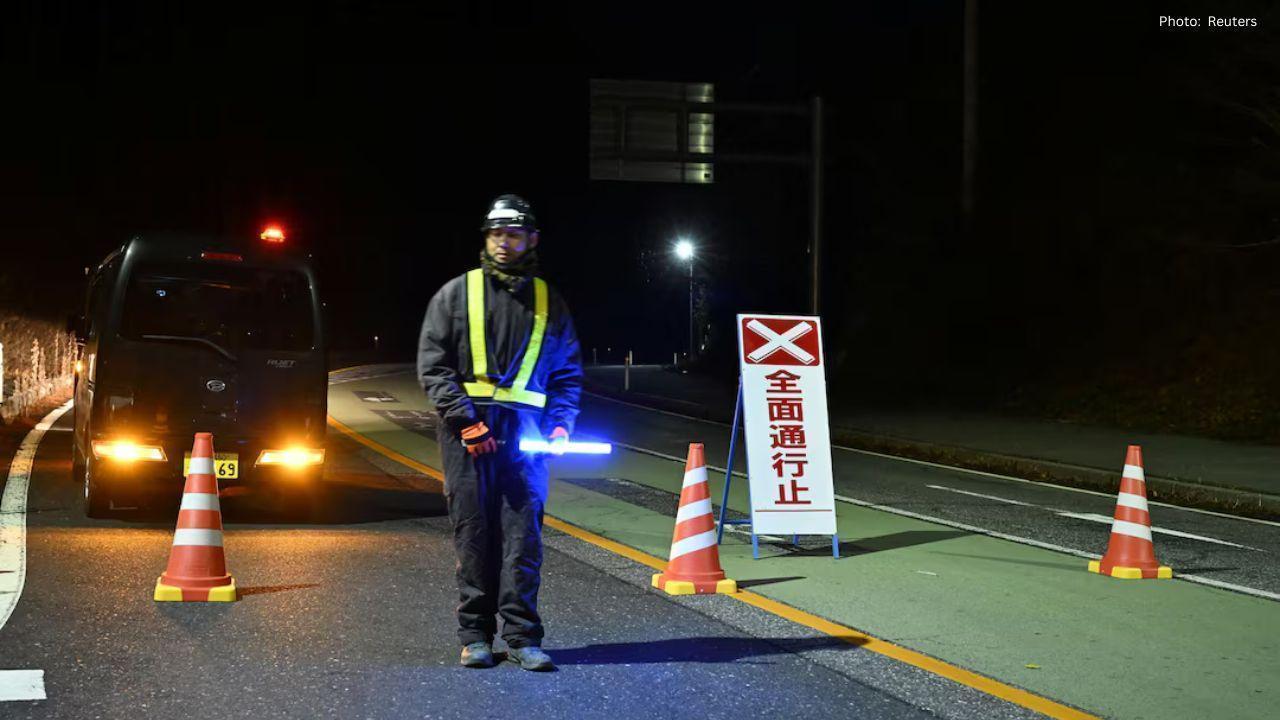
The earthquake struck late at night off the coast of northeastern Japan. The shaking was so strong in some areas that people could not stand without crawling. Authorities quickly issued tsunami warnings, asking nearly 90,000 people to leave their homes and move to safer places. Waves between 20 and 70 centimeters were recorded at several ports, and people spent tense hours waiting to see if larger waves would arrive.
Thankfully, by the early morning, the warnings were downgraded and later lifted. However, at least 30 people were injured and one fire was reported. Train services were disrupted, roads were restricted, and thousands of homes briefly lost power. Even though the physical damage was limited, the emotional impact was heavy, especially for those who remember the devastating 2011 disaster.
Japan is one of the most earthquake-prone countries in the world. Tremors happen almost every day, and the country sits on the “Ring of Fire,” where tectonic plates meet and move often. History has taught Japan painful lessons, especially in 2011, when a massive earthquake and tsunami killed nearly 20,000 people and caused a nuclear crisis at the Fukushima power plant.
Because of that tragedy, Japan has built strong warning systems and emergency response plans. This time, those systems worked. People were warned early. Evacuations were organized quickly. Nuclear power plants were checked immediately, and no dangerous irregularities were found. Power supply was restored in a short time. These actions show how important planning and discipline are in saving lives.
However, this incident is also a reminder that danger may not be over. Authorities have warned that strong aftershocks could happen within a week. When the earth moves once, it often moves again. This reality creates fear and stress for families living in vulnerable areas.
From an editorial point of view, Japan’s response deserves respect, but the threat of mega-earthquakes shows that no system is perfect. Continuous investment in infrastructure, education, and technology is necessary. Citizens must also remain alert and follow safety instructions strictly.
This event also sends a message to the world. Climate change and shifting geological patterns are making natural disasters more unpredictable. Other countries, especially coastal and earthquake-prone nations, should learn from Japan’s preparedness. Early warning systems, strong building standards, and regular emergency drills are not luxuries. They are necessities.
Another important point is the role of communication. Quick, clear, and honest updates from authorities helped prevent panic. This kind of transparency builds trust and helps people react calmly during emergencies.
In the end, Japan’s earthquake and tsunami scare is not just a news story. It is a lesson. It teaches that nature cannot be controlled, but damage can be reduced with planning, discipline, and respect for science.
Japan was lucky this time. But the danger is real, and the warning is clear: preparedness is the strongest defense against nature’s power.










Mattel Revives Masters of the Universe Action Figures Ahead of Film Launch
Mattel is reintroducing Masters of the Universe figures in line with its upcoming film, tapping into

China Executes 11 Members of Criminal Clan Linked to Myanmar Scam
China has executed 11 criminals associated with the Ming family, known for major scams and human tra

US Issues Alarm to Iran as Military Forces Deploy in Gulf Region
With a significant military presence in the Gulf, Trump urges Iran to negotiate a nuclear deal or fa

Copper Prices Reach Unprecedented Highs Amid Geopolitical Turmoil
Copper prices soar to all-time highs as geopolitical tensions and a weakening dollar boost investor

New Zealand Secures First Win Against India, Triumph by 50 Runs
New Zealand won the 4th T20I against India by 50 runs in Vizag. Despite Dube's impressive 65, India