Post by : Mina Rahman
Recent intelligence evaluations and assessments in the region underscore worries about Pakistan’s Inter-Services Intelligence (ISI) allegedly inciting anti-India narratives during times of upheaval in Bangladesh.
According to observers in Dhaka, certain factions within the Pakistani media and political sphere are fostering a narrative that includes unfounded allegations accusing India’s Research and Analysis Wing (RAW) of being involved in the death of Bangladeshi student leader Sharif Osman Hadi. This comes even as Bangladeshi officials confirm that investigations are in their infancy and the reasons behind the tragedy remain vague.
Indian authorities have labeled these claims as intentionally orchestrated and deceptive, asserting that the intent is to frame Bangladesh’s internal crises as driven by external forces, particularly implicating India. Notably, Pakistan stands alone in publicly attributing the ongoing chaos in Bangladesh to India.
The narrative took a more aggressive turn following a viral video statement from Kamran Sayeed Usmani, a leader of Pakistan’s ruling Pakistan Muslim League-Nawaz (PML-N), who accused India of destabilizing Bangladesh and made incendiary threats including missile attacks. Security experts dismissed the comments as reckless and inflammatory, emphasizing that such rhetoric serves to escalate tensions rather than foster dialogue.
Intelligence agencies have identified a recurring trend in this messaging. By implicating India, the ISI and its affiliates aim to gain international attention for Bangladesh’s domestic issues, distracting from internal political dynamics. Officials argue that the unrest is rooted in long-standing interventions by Pakistan’s vested interests, aimed at damaging former Prime Minister Sheikh Hasina’s influence while bolstering Jamaat-e-Islami’s role.
Experts observe that Jamaat-e-Islami has historically enjoyed a close association with ISI objectives, a sentiment echoed by various regional and global stakeholders. The international community remains cognizant of these connections, showing no endorsement for the accusations targeting India.
Historical grievances are also pivotal in this context. Analysts point out that Pakistan’s inability to reconcile with the events of the 1971 Bangladesh Liberation War underscores current efforts to re-ignite anti-India sentiment, with an aim to sway Bangladeshi public opinion against New Delhi through misleading information.
That said, internal political dynamics in Bangladesh are evolving. The Bangladesh National Party (BNP), previously seen as aligned with Jamaat-e-Islami, has distanced itself from both Jamaat and alleged ISI influence recently. Leaders within the party have shifted focus towards development and stability over ideological extremism, a change that has been positively received by segments of the electorate.
This decision to run the elections independently has reportedly unsettled Jamaat-e-Islami and its supporters. With the Awami League prohibited from participating, polls suggest that the BNP stands a favorable chance of winning in the upcoming February 2026 elections.
The party's prospects may also benefit from public sympathy for its ailing leader, former Prime Minister Khaleda Zia. Furthermore, the anticipated return of her son, Tarique Rahman, after a 17-year exile is perceived as a morale lift for party activists and followers.
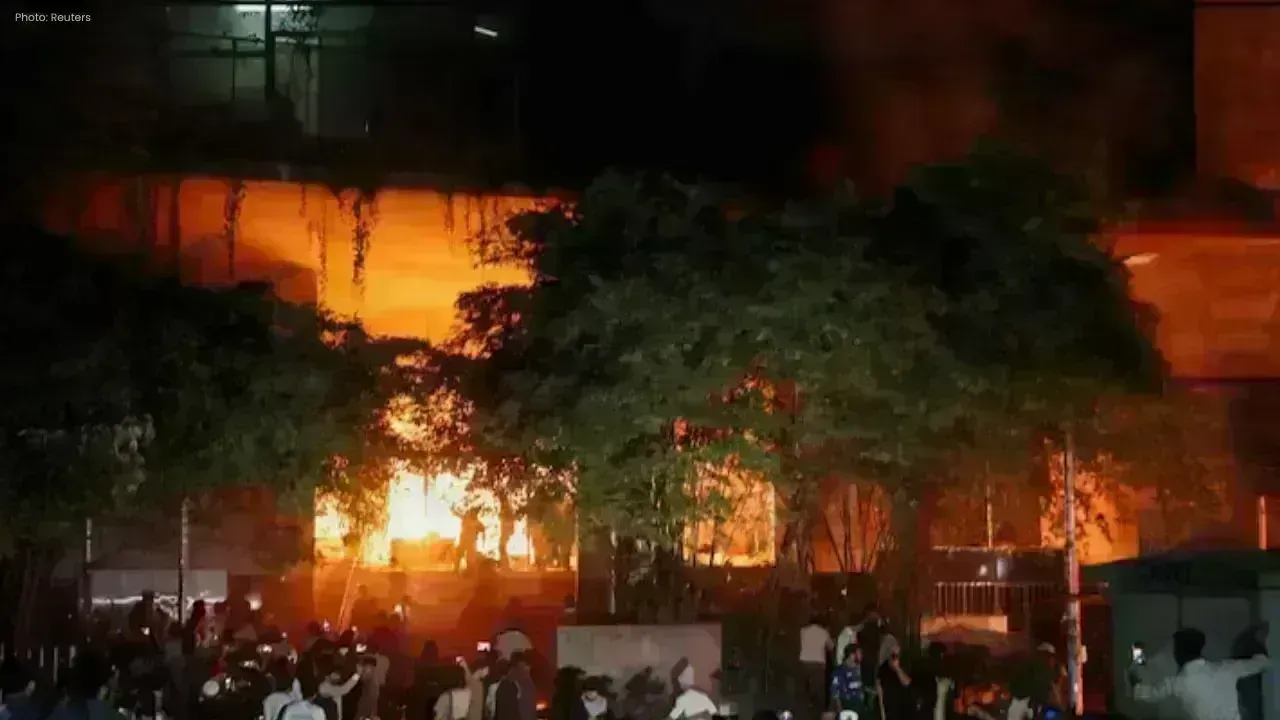
Security agencies have forewarned that this shifting landscape heightens tensions among Jamaat-linked factions. Intelligence data indicate deliberate instigation of violence aimed at creating fear and suppressing voter participation. These groups purportedly seek to influence the electoral results by discouraging citizens from voting.
Analysts suggest that while there is growing international pressure to conduct timely elections, serious concerns linger about their integrity. Prospects for either a brief postponement or a highly contested electoral process loom on the horizon.
Officials assert that alongside electoral manipulation, the proliferation of anti-India sentiments is a strategic maneuver to shift focus from the political strife within Bangladesh. With heightened global scrutiny, they believe such tactics could ultimately backfire, although they caution that the next few months are poised to be tumultuous.






Price Increase for Sony PS5 in Southeast Asia Effective May 1
Sony announces a price increase for the PS5 across Southeast Asia starting May 1, 2026, impacting ga

Potential ‘Super El Niño’ in 2026: Understanding the Climate Risks
Could a Super El Niño emerge in 2026? Discover its implications and potential global climate impacts

Global Energy Crisis Intensifies: Markets React to Oil Supply Challenges
Markets are on edge as oil disruptions escalate, influencing prices and economic stability. Explore

Must-See Tourist Spots in London You Can't Overlook
Explore London's essential attractions, from royal landmarks to vibrant markets, ensuring an unforge

Ultimate Guide to Snagging Cheap Flights in 2026
Unlock the secrets to booking affordable flights in 2026 with insightful tips and strategies tailore

The Impact of Consistent Small Investments on Wealth Building
Discover how investing small amounts regularly can positively transform your financial future over t