Post by : Saif Nasser
The alkaline diet has surged in popularity, often touted for its supposed ability to prevent cancer, facilitate weight loss, and enhance general well-being. However, experts warn that many of these assertions lack solid evidence. Although the diet advocates for increased consumption of fruits, vegetables, and whole foods, it does not significantly alter the pH levels of the blood or serve as a cancer remedy.
This dietary approach emphasizes the intake of so-called “alkaline” foods, including leafy greens, avocados, and specific whole grains, while steering clear of “acidic” items such as red meat, sugary beverages, and processed snacks. Proponents argue that these alkaline foods contribute to an ideal body pH balance, which ranges from 0 (highly acidic) to 14 (highly alkaline), with 7 classified as neutral. Dr. Anjali Hooda, a specialist in obesity and metabolic health, points out that “the digestive system operates in a highly acidic state, whereas blood pH remains stable between 7.2 and 7.4; even minimal deviations can be detrimental. Relying on diet alone to alter blood pH is ineffective.”
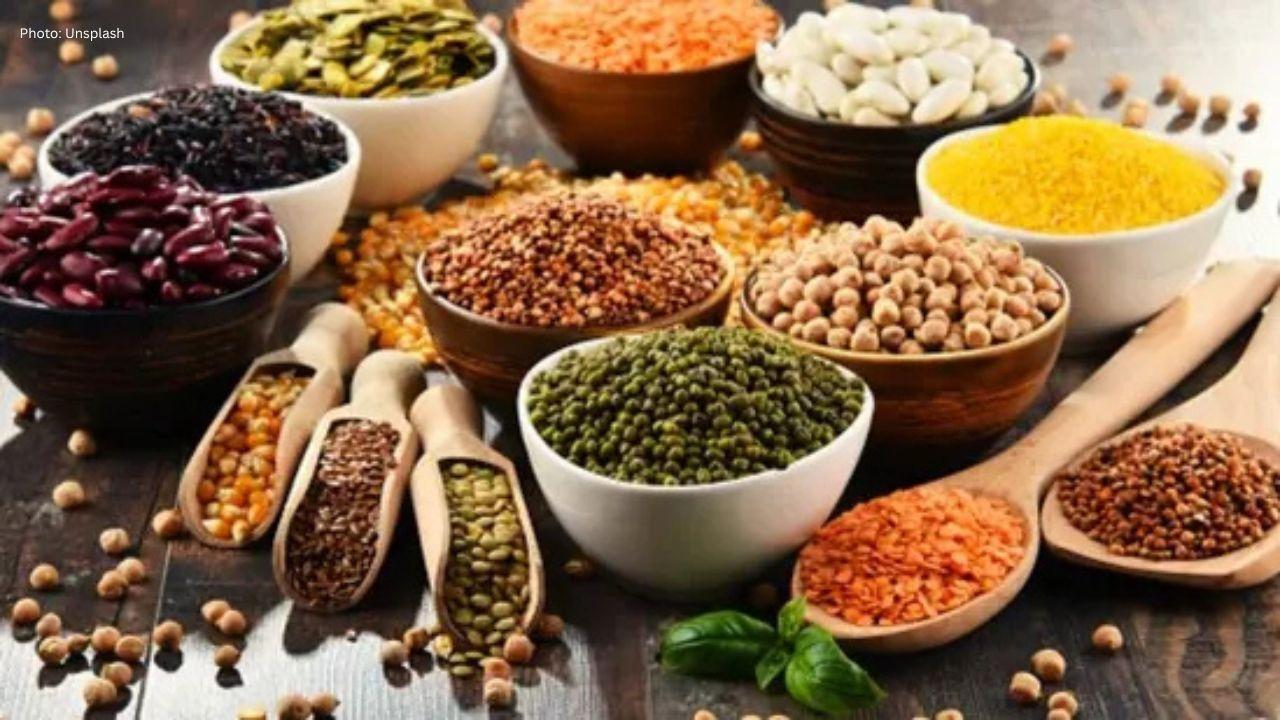
Despite not being a cancer preventative, the alkaline diet does promote a healthier lifestyle. By boosting the intake of fruits, vegetables, nuts, and seeds packed with vital nutrients, it fosters a shift away from processed and sugary fare, promoting mindful eating. Foods included in this diet, like leafy greens, mushrooms, quinoa, lentils, and citrus fruits, contribute positively to gut health which is beneficial for immunity and overall vitality.
Nevertheless, several limitations of the alkaline diet merit consideration. Many sources of animal protein are categorized as acidic, which might lead committed followers to fall short on essential protein if they do not strategically incorporate plant-based alternatives. Excluding certain food categories, including dairy or grains, could heighten the risk of deficiencies in calcium, vitamin B12, and other crucial nutrients. Although the dietary principles generally encourage healthier eating habits, there's insufficient scientific evidence to definitively assert that an alkaline diet can prevent or treat cancer.
In conclusion, while the alkaline diet encourages a shift towards whole foods, it should not be viewed as a miracle cure. Nutrition experts stress that a balanced diet—including an array of carbohydrates, proteins, and healthy fats—remains vital for lasting health. Although a diet rich in fruits, vegetables, whole grains, and nuts can support overall well-being, placing sole reliance on the concept of “alkalinity” for disease prevention lacks scientific backing. It’s advisable to consult healthcare professionals prior to making substantial dietary adjustments, especially for critical health issues like cancer.










Price Increase for Sony PS5 in Southeast Asia Effective May 1
Sony announces a price increase for the PS5 across Southeast Asia starting May 1, 2026, impacting ga

Potential ‘Super El Niño’ in 2026: Understanding the Climate Risks
Could a Super El Niño emerge in 2026? Discover its implications and potential global climate impacts

Global Energy Crisis Intensifies: Markets React to Oil Supply Challenges
Markets are on edge as oil disruptions escalate, influencing prices and economic stability. Explore

Must-See Tourist Spots in London You Can't Overlook
Explore London's essential attractions, from royal landmarks to vibrant markets, ensuring an unforge

Ultimate Guide to Snagging Cheap Flights in 2026
Unlock the secrets to booking affordable flights in 2026 with insightful tips and strategies tailore

The Impact of Consistent Small Investments on Wealth Building
Discover how investing small amounts regularly can positively transform your financial future over t