Post by : Saif Nasser
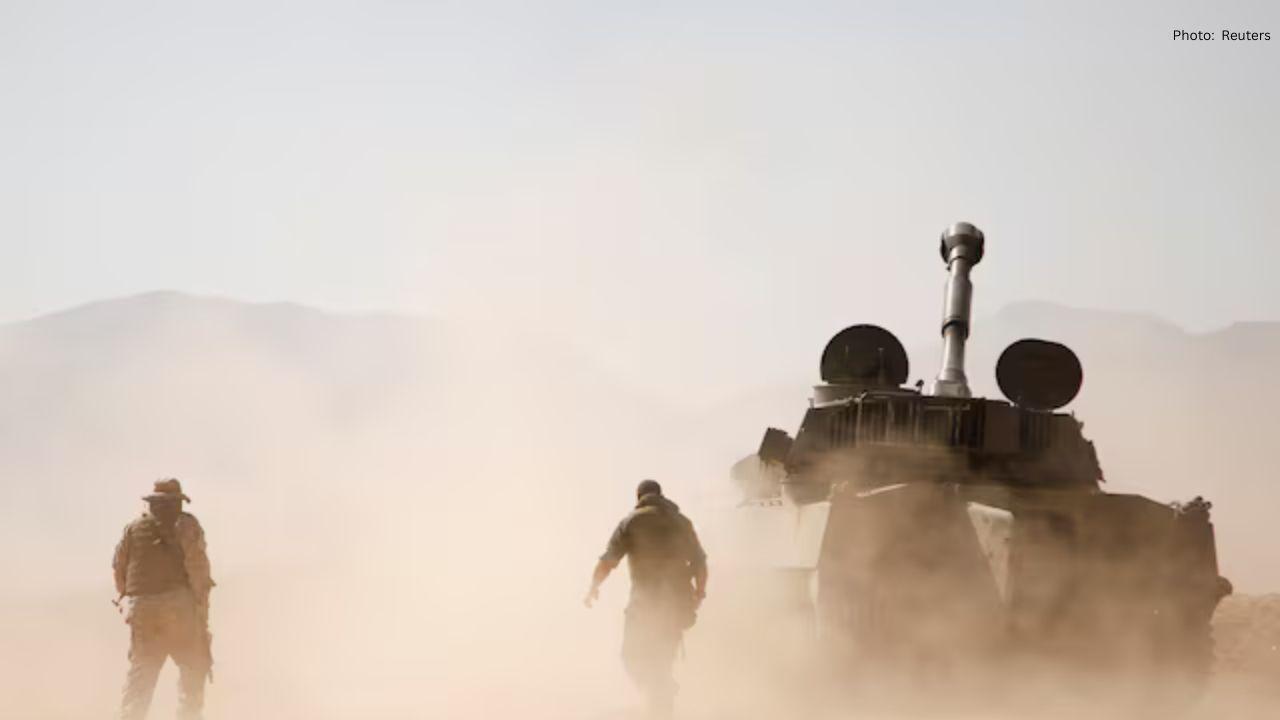
Iraq has taken a major step by freezing the financial accounts of two powerful Iran-backed groups — Lebanon’s Hezbollah and Yemen’s Houthi movement. This announcement was made in Iraq’s official gazette and marks one of Baghdad’s strongest actions yet against armed groups supported by Tehran.
The decision is likely to please the United States, which has long pushed Iraq to distance itself from Iranian influence. Washington has repeatedly argued that Tehran uses regional allies like Hezbollah and the Houthis to project power and cause instability across the Middle East. By stopping the flow of money to these groups, Iraq is signaling that it wants to show more independence in its decisions.
Iraq is in a difficult position. It shares deep cultural, religious, and economic ties with Iran, while also relying on the United States for military cooperation and financial help. This balancing act has become even harder under U.S. President Donald Trump, whose government has tightened pressure on Iran through sanctions and political isolation.
For Iran, Iraq is a crucial partner. With U.S. sanctions hurting its economy for years, Iran depends on trade and financial connections with Iraq to keep its economy functioning. Any move by Baghdad that limits Tehran’s reach could weaken Iran’s ability to operate in the region.
Iran’s influence in Iraq is strong and complicated. Through Shi’ite militias, political parties, and long-standing alliances, Tehran plays a major role in Iraqi security and politics. These militias became especially important during the fight against Islamic State, earning public respect and gaining political power. But at the same time, many Iraqis worry about foreign interference and fear that their country could be dragged into bigger conflicts.
The freezing of funds comes at a time when Iran itself is facing setbacks. Israel has carried out multiple strikes on Iranian-linked groups in Syria, Lebanon, and Yemen. These attacks have weakened Iran’s regional networks and challenged its ability to support its allies. As a result, groups like Hezbollah and the Houthis are under greater strain, both militarily and financially.
For Iraq, this decision may help protect the country from being caught between Iran and the United States. But it also risks angering powerful actors inside Iraq who are loyal to Tehran. Baghdad must manage these tensions carefully to avoid internal instability.
This new policy shows that Iraq is trying to move cautiously while sending a clear message: it does not want its territory or institutions to be used in regional rivalries. Whether this step will reduce Iran’s influence or create new challenges remains to be seen, but it marks an important moment in the shifting politics of the Middle East.
Iraq now faces a hard road ahead. It must calm political pressures at home, maintain ties with both Washington and Tehran, and protect its own national interests. The freezing of funds may be only the beginning of a new chapter in Baghdad’s foreign policy as it tries to keep peace in a region full of old conflicts and new tensions.



Anticipated Dates for UAE Eid Al Adha 2026 Unveiled by Astronomical Experts
Experts predict Eid Al Adha 2026 in the UAE to start on May 27, prompting early holiday planning amo

DAE Achieves Remarkable Growth in Q1 2026 With Record Revenue
Dubai Aerospace Enterprise announces impressive financial results for Q1 2026, reflecting a surge in

Price Increase for Sony PS5 in Southeast Asia Effective May 1
Sony announces a price increase for the PS5 across Southeast Asia starting May 1, 2026, impacting ga

Potential ‘Super El Niño’ in 2026: Understanding the Climate Risks
Could a Super El Niño emerge in 2026? Discover its implications and potential global climate impacts

Global Energy Crisis Intensifies: Markets React to Oil Supply Challenges
Markets are on edge as oil disruptions escalate, influencing prices and economic stability. Explore

Must-See Tourist Spots in London You Can't Overlook
Explore London's essential attractions, from royal landmarks to vibrant markets, ensuring an unforge




