Post by : Shweta
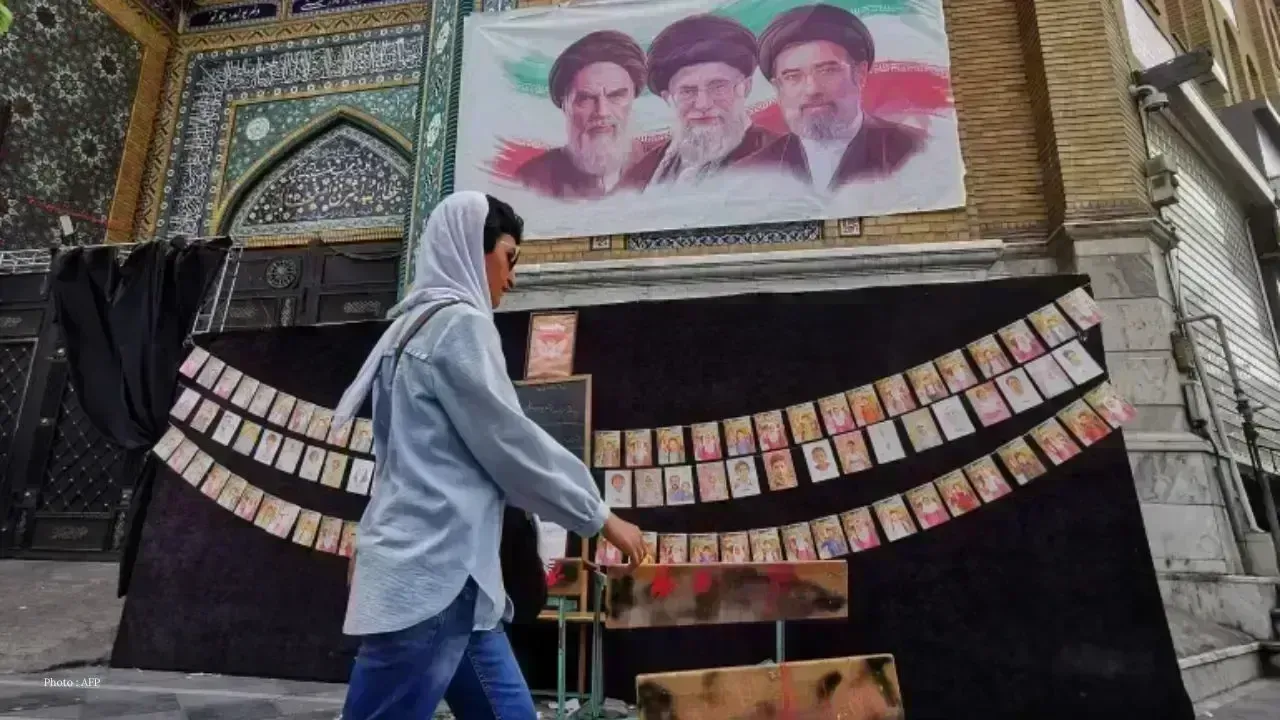
Iran’s leadership is taking a cautious yet pragmatic approach towards a potential deal with the United States. While there are perceived benefits in alleviating economic burdens and reducing tensions, Iranian authorities are skeptical about American motives and resist making major concessions that could undermine Iran’s strategic interests. As outlined by various Iranian officials, the core objective for Tehran is economic relief, access to frozen funds, and mitigating the harsh international sanctions that have severely impacted the nation’s economy.
It's crucial for the Iranian leadership that any accord safeguards the rights and needs of its citizens. Top negotiators have emphasized that Iran will not engage in any agreement that compromises its sovereignty or essential national agendas. Past dealings with the United States fostered distrust, complicating any willingness to enter into negotiations without solid assurances. Therefore, Iran meticulously reviews all proposals, maintaining that any final deal must align with its national priorities.
Economic factors significantly influence Iran’s strategic posture. The nation has endured years of sanctions, rampant inflation, and domestic economic hardships. Observers suggest that Tehran may view a limited or temporary agreement as a stepping stone toward immediate financial relief while avoiding significant compromises related to its nuclear ambitions. The leadership believes that a provisional arrangement could stabilize the economy and diminish public discontent without relinquishing valuable leverage in upcoming negotiations.
Moreover, Iran remains committed to preserving its perceived strategic advantages. Officials have expressed the necessity of maintaining regional influence and protecting nuclear capabilities from unwarranted restrictions. Rather than pursuing an extensive and lasting agreement, Iran seems focused on attaining tangible benefits while keeping avenues open for future discussions. This tactic underscores a long-standing strategy of resisting external pressures while steering clear of actions that might escalate into military conflict.
The evolving geopolitical landscape in the Middle East has further shaped Iran’s stance. Ongoing tensions involving Israel, Lebanon, and other hotspots have introduced complexities to the negotiation landscape. Iranian officials contend that broader regional security dynamics must inform talks with the United States. Tehran has expressed concerns that continued military actions by Israel in regions like Lebanon could jeopardize diplomatic efforts and hinder meaningful negotiations, contributing to cycles of uncertainty in communication.
Despite these obstacles, Iranian representatives have not entirely dismissed the possibility of a deal. They seek to balance economic imperatives with strategic considerations. The leadership acknowledges that de-escalating tensions with the United States may yield substantial economic advantages, but it strives to avoid projecting weakness on both domestic and international fronts. Hence, Tehran’s stance can be characterized as cautious engagement—open to dialogue while asserting strong protections for its interests and retaining leverage for future interactions.
At present, Iran’s leadership views the emerging deal as a potential opportunity rather than a definitive conclusion. There is hope that any agreement could alleviate economic stress and foster stability, yet officials reiterate that trust is fragile and significant disparities between Tehran and Washington remain. The success of current diplomatic initiatives hinges on both parties’ willingness to tackle these issues while averse to escalating regional tensions.





Achieve Radiant Skin with This Simple Rice Flour Treatment
Transform your skincare routine! Discover how a rice flour mix can restore your skin's glow without

Meta Unveils Subscription Plans for Instagram, Facebook, and WhatsApp
Meta introduces new subscription plans for users of Instagram, Facebook, and WhatsApp, featuring enh

Suvarna Joy on Education Leadership, Resilience, and Building Purpose Through Adversity in the UAE
Suvarna Joy shares her journey of education leadership, motherhood, faith, and resilience within the

Anticipated Dates for UAE Eid Al Adha 2026 Unveiled by Astronomical Experts
Experts predict Eid Al Adha 2026 in the UAE to start on May 27, prompting early holiday planning amo

DAE Achieves Remarkable Growth in Q1 2026 With Record Revenue
Dubai Aerospace Enterprise announces impressive financial results for Q1 2026, reflecting a surge in

Price Increase for Sony PS5 in Southeast Asia Effective May 1
Sony announces a price increase for the PS5 across Southeast Asia starting May 1, 2026, impacting ga




