Post by : Saif Nasser
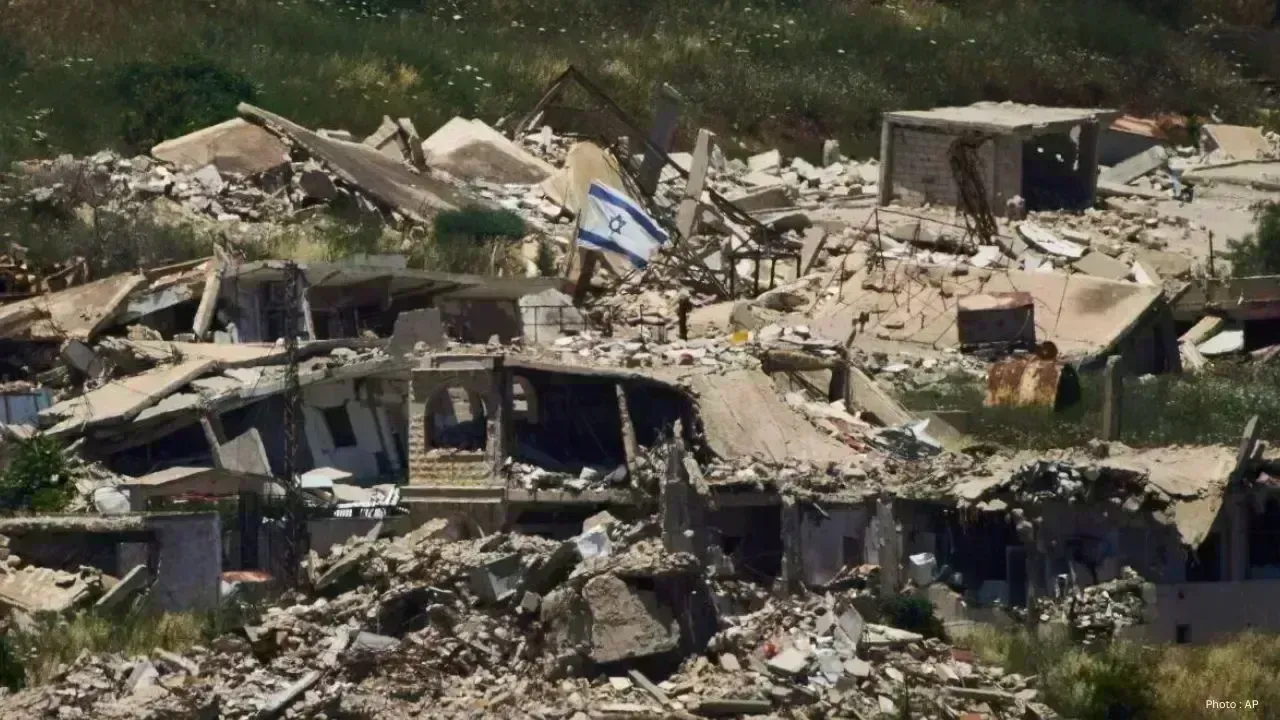
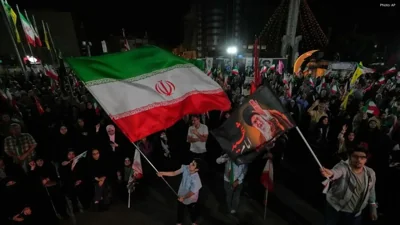
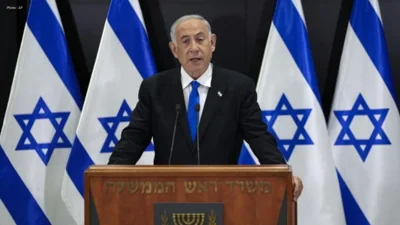
Hezbollah is facing growing pressure to define its position as the conflict involving Iran, the United States, and Israel continues to reshape the security situation across the Middle East. While the Lebanese group has long maintained close ties with Tehran, recent developments have raised questions about whether it will take a more active role or continue to avoid a wider confrontation that could further destabilize Lebanon.
The issue has gained attention following increased military tensions involving Iran and concerns that the conflict could spread beyond its current borders. As one of the region's most influential armed and political organizations, Hezbollah remains a key player whose decisions could affect not only Lebanon but also the broader Middle East.
For many years, the movement has been regarded as one of Iran's strongest allies. Political support, financial assistance, and military cooperation have created a relationship that has shaped regional dynamics for decades. Because of these connections, every major development involving Tehran is closely examined for its possible impact on the group's future actions.
At the same time, Lebanon's internal challenges have complicated the situation. The country continues to face economic difficulties, political uncertainty, and social pressures that have affected daily life for millions of citizens. Many people fear that any expansion of regional hostilities could deepen existing problems and delay hopes for recovery.
Recent months have already brought security concerns along the Lebanon-Israel border. Although efforts to reduce violence have helped prevent a larger conflict, the situation remains delicate. Any major escalation could quickly affect neighboring areas and increase risks for civilians on both sides of the border.
Political observers believe Hezbollah now faces a difficult balancing act. Supporting its long-time ally while avoiding actions that could trigger a broader conflict requires careful calculation. The organization must consider regional expectations as well as the realities facing Lebanon at home.
The potential consequences of a wider confrontation are significant. Beyond military concerns, economic activity, trade, investment, and public services could all suffer. Countries across the region are aware that prolonged instability would likely affect energy markets, transportation routes, and business confidence.
For Lebanon, the stakes may be higher than for many other nations. Years of financial crisis have weakened institutions and reduced economic opportunities. Families continue to struggle with inflation, unemployment, and declining public services. Additional instability could place even greater pressure on an already fragile situation.
International efforts to prevent escalation have therefore become increasingly important. Several governments and diplomatic organizations have called for restraint and urged all sides to avoid actions that could widen the conflict. Dialogue remains the preferred option for many countries seeking to preserve regional stability.
Public opinion inside Lebanon also plays a role in shaping the discussion. Many citizens are focused on economic recovery rather than regional military disputes. Concerns about jobs, living costs, healthcare, and education remain among the most pressing issues for ordinary people.
The current situation demonstrates how closely connected regional events have become. Decisions made in one country can quickly influence political and security conditions elsewhere. This interconnected reality makes diplomacy and communication essential tools for reducing tensions.
Analysts note that uncertainty remains the defining feature of the current environment. Developments can change rapidly, and unexpected events often alter political calculations. As a result, governments and security experts continue monitoring the situation closely.
The growing attention on Hezbollah reflects broader concerns about the future direction of the Middle East. Whether the current crisis remains limited or expands into a larger confrontation will depend on decisions made by several key actors in the coming weeks and months.
The challenge facing regional leaders is clear. Preventing further escalation while addressing security concerns requires patience, diplomacy, and strategic judgment. Achieving that balance will not be easy, but it remains essential for protecting stability and reducing the risk of a wider conflict.
As events continue to unfold, Lebanon finds itself once again at the intersection of regional politics and security concerns. The choices made during this period could have lasting consequences for the country and for the wider Middle East. For that reason, the actions of Hezbollah and other regional players will remain under close scrutiny as the search for stability continues.





Achieve Radiant Skin with This Simple Rice Flour Treatment
Transform your skincare routine! Discover how a rice flour mix can restore your skin's glow without

Meta Unveils Subscription Plans for Instagram, Facebook, and WhatsApp
Meta introduces new subscription plans for users of Instagram, Facebook, and WhatsApp, featuring enh
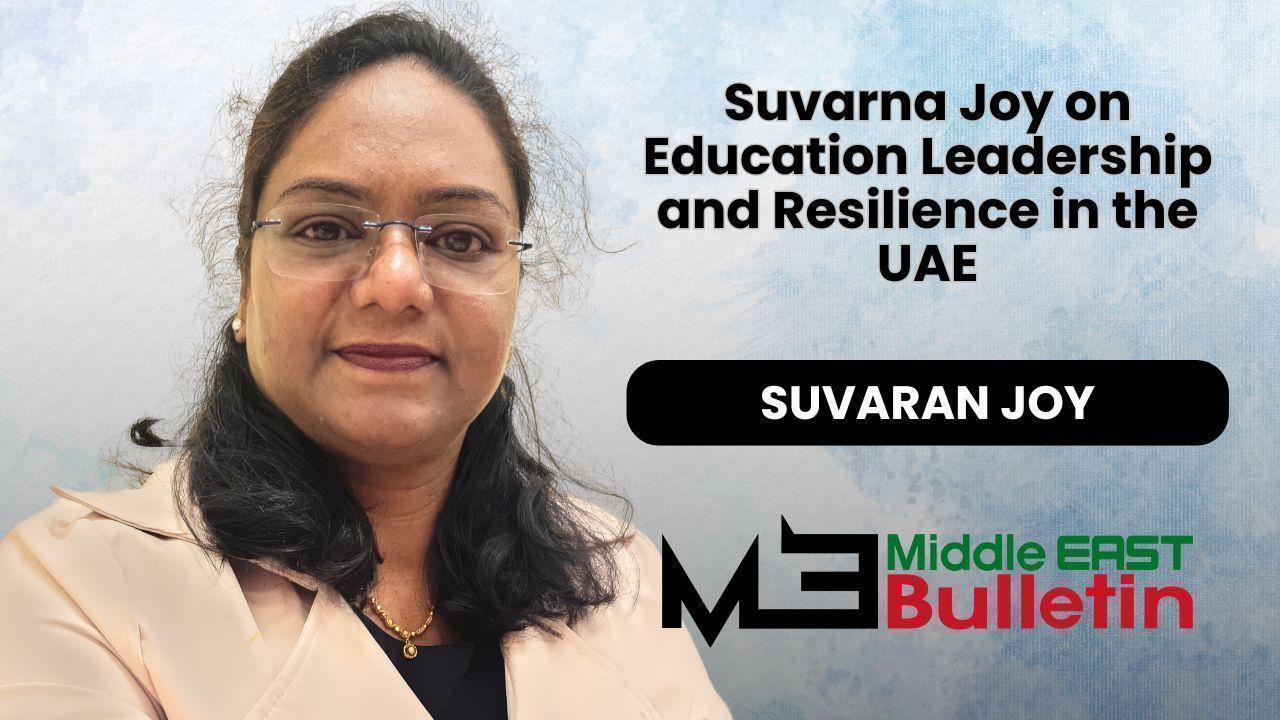
Suvarna Joy on Education Leadership, Resilience, and Building Purpose Through Adversity in the UAE
Suvarna Joy shares her journey of education leadership, motherhood, faith, and resilience within the

Anticipated Dates for UAE Eid Al Adha 2026 Unveiled by Astronomical Experts
Experts predict Eid Al Adha 2026 in the UAE to start on May 27, prompting early holiday planning amo

DAE Achieves Remarkable Growth in Q1 2026 With Record Revenue
Dubai Aerospace Enterprise announces impressive financial results for Q1 2026, reflecting a surge in

Price Increase for Sony PS5 in Southeast Asia Effective May 1
Sony announces a price increase for the PS5 across Southeast Asia starting May 1, 2026, impacting ga




