Post by : Saif Nasser
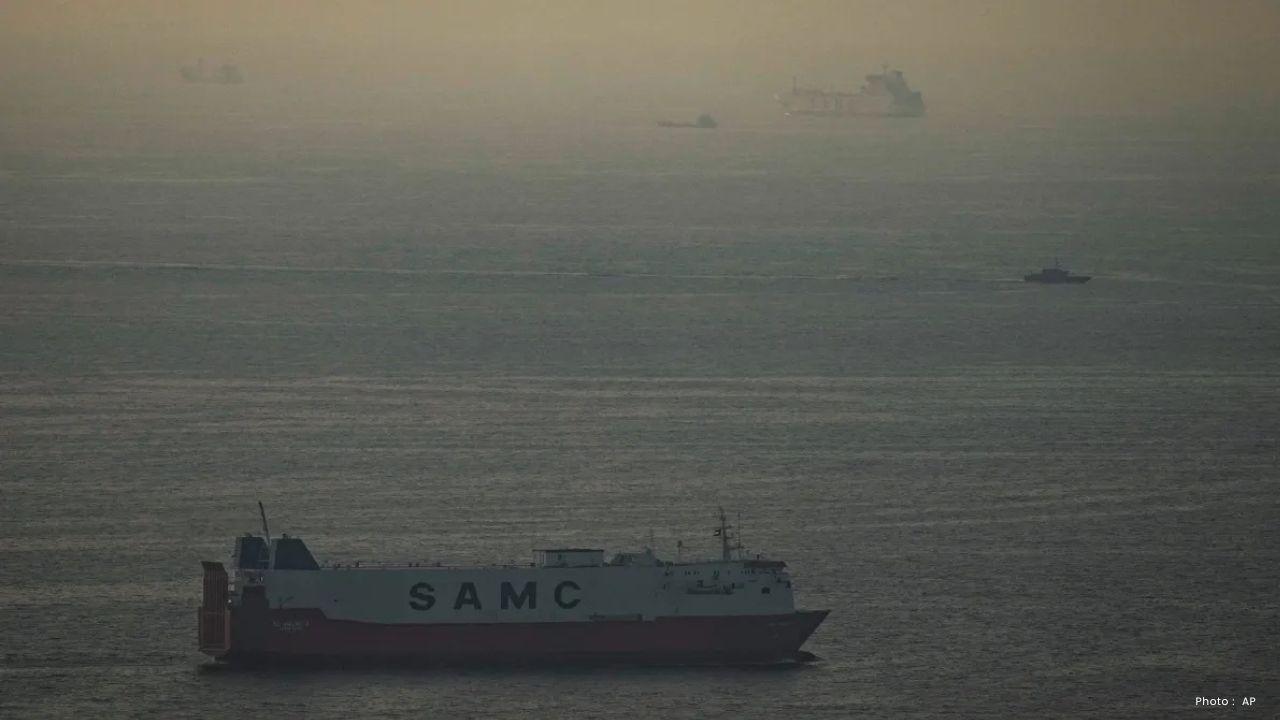
In a major development during the ongoing conflict in the Middle East, Iran has allowed India to continue using the Strait of Hormuz. This decision comes at a time when the region is facing high tension and global energy markets are under pressure.
Iran has said that ships from “friendly nations” will be allowed safe passage through the Strait. India is among those countries, along with China, Russia, Iraq, and Pakistan.
This move is important because the Strait of Hormuz is one of the most critical routes in the world for oil and gas transport. A large share of global energy supplies passes through this narrow waterway every day. Any disruption here can affect fuel prices and economies across the globe.
The decision by Iran comes after weeks of tension and partial closure of the Strait following military actions involving the United States and its allies. During this period, shipping traffic was reduced, and many vessels avoided the area due to safety concerns.
By allowing “friendly nations” to pass, Iran is showing a selective approach rather than a complete shutdown. At the same time, it has made it clear that ships from countries it considers hostile may not be allowed through.
For India, this development brings some relief. The country depends heavily on oil and gas imports from the Middle East. Any blockage in the Strait of Hormuz can directly affect India’s energy supply, fuel prices, and overall economy.
Officials have already confirmed that Indian vessels are moving safely through the region. This suggests that the arrangement is working for now, although it remains dependent on ongoing coordination with Iranian authorities.
The situation also highlights the strong relationship between India and Iran. Over the years, both countries have maintained diplomatic and economic ties, especially in the energy sector. This connection may have played a role in India being included in the list of “friendly nations.”
However, the broader picture remains uncertain. The Strait is still under tight control, and passage is not fully open to all countries. Iran has also indicated that ships must follow certain conditions and security rules to pass through safely.
This creates a new kind of global challenge. Instead of a fully open international route, access is now influenced by political relationships. This could lead to divisions in global trade, where some countries have easier access than others.
The impact of this situation goes beyond shipping. Oil prices have already risen due to fears of disruption. Even limited control over such a key route can influence global markets and increase economic uncertainty.
There are also concerns about fairness and international law. The Strait of Hormuz is considered an international waterway, and restrictions on passage can raise legal and diplomatic questions. Many global organizations have called for keeping the route open to ensure stable supply chains.
At the same time, this development shows how geopolitical tensions are shaping economic decisions. Countries are now not only dealing with supply and demand but also with political alignment.
For India, the current situation offers short-term relief but also a reminder of its dependence on external energy sources. It may push policymakers to think more about energy security, alternative routes, and renewable sources in the future.
The decision by Iran sends a strong message to the world. It shows that control over key global routes can be used as a strategic tool during conflict. It also highlights how quickly global trade can be affected by regional tensions.
As the conflict continues, the future of the Strait of Hormuz remains uncertain. If tensions rise further, even the current limited access could be affected. On the other hand, if diplomatic efforts succeed, the route may return to normal operations.
For now, the world is watching closely. The Strait of Hormuz is not just a passage for ships—it is a lifeline for the global economy. Any change in its status can have wide-reaching effects.



Mattel Revives Masters of the Universe Action Figures Ahead of Film Launch
Mattel is reintroducing Masters of the Universe figures in line with its upcoming film, tapping into

China Executes 11 Members of Criminal Clan Linked to Myanmar Scam
China has executed 11 criminals associated with the Ming family, known for major scams and human tra
US Issues Alarm to Iran as Military Forces Deploy in Gulf Region
With a significant military presence in the Gulf, Trump urges Iran to negotiate a nuclear deal or fa

Copper Prices Reach Unprecedented Highs Amid Geopolitical Turmoil
Copper prices soar to all-time highs as geopolitical tensions and a weakening dollar boost investor

New Zealand Secures First Win Against India, Triumph by 50 Runs
New Zealand won the 4th T20I against India by 50 runs in Vizag. Despite Dube's impressive 65, India