Post by : Saif Nasser
Global oil prices are rising again as tensions between Iran and the United States continue to grow. The latest jump in prices comes after Iran denied that it is holding talks with the United States, reducing hopes for peace and increasing fears about oil supply.
Markets around the world had been watching closely for any signs of negotiation between the two countries. Many traders believed that talks could help calm the situation and bring stability to oil prices. But when Iran clearly rejected claims of discussions, those hopes quickly faded.
As a result, oil prices moved higher. Traders began to worry again about possible supply disruptions, especially in the Middle East, which is one of the most important regions for global energy production.
The main concern is the risk to oil supply routes. The ongoing conflict has already affected key areas like the Strait of Hormuz, a narrow waterway through which a large portion of the world’s oil passes every day. When this route is threatened, even small disruptions can lead to big price increases.
Experts say that oil markets react not only to actual supply loss but also to fear. When there is uncertainty, traders often push prices higher to prepare for possible shortages. In this case, the lack of talks has increased that uncertainty.
The war has already caused serious damage to energy infrastructure in the region. Attacks on oil and gas facilities have reduced production and forced some operations to stop.
At the same time, tanker movement in the Gulf has become more risky. Some ships have been delayed or rerouted, which has slowed down the flow of oil to global markets.
According to energy analysts, the current situation is one of the biggest supply disruptions in recent history. The conflict has affected millions of barrels of oil per day, putting pressure on global supply.
This has pushed oil prices much higher than usual levels. In recent weeks, prices have crossed important marks and shown strong volatility, moving up and down based on news about the conflict and possible negotiations.
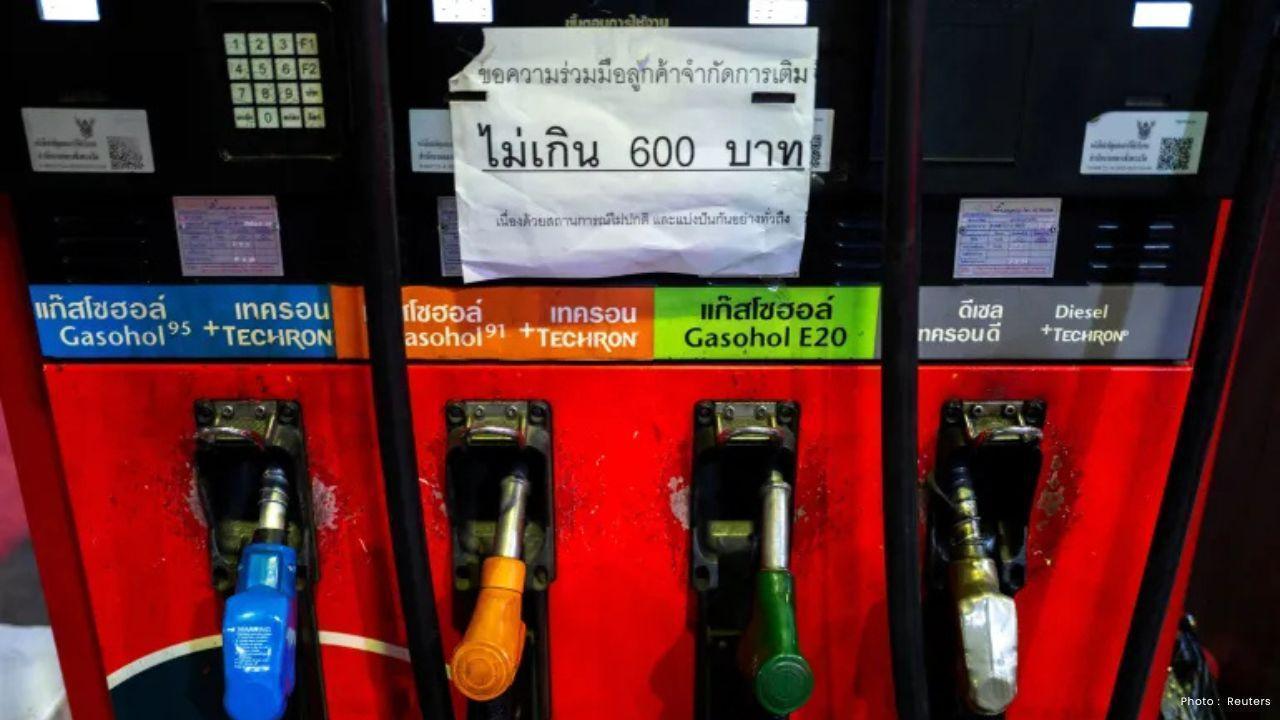
The impact of rising oil prices is not limited to energy markets. It affects everyday life. Higher oil prices mean higher fuel costs, more expensive transport, and rising prices for goods and services.
Many countries are already feeling the pressure. Inflation is increasing, and governments are finding it harder to control prices. In some regions, there are concerns about economic slowdown if the situation continues.
The lack of communication between Iran and the United States is making things worse. Diplomatic talks are often seen as a way to reduce tensions and bring stability. Without them, the risk of further escalation remains high.
There are also mixed signals from the United States. While some officials have suggested that talks could happen, Iran has firmly denied any such contact. This difference in statements has added confusion to the situation and made markets even more nervous.
The global economy is closely linked to oil prices. When prices rise sharply, it can slow down growth, increase costs for businesses, and reduce spending by consumers. This creates a chain reaction that affects many sectors.
Developing countries are especially vulnerable. They often depend on imported fuel and have limited resources to handle sudden price increases. For them, rising oil prices can quickly turn into a serious economic challenge.
This situation shows how closely the world is connected. A conflict in one region can have effects across the globe, influencing markets, industries, and daily life.
For now, the future remains uncertain. If tensions continue and no talks take place, oil prices may rise even further. On the other hand, any sign of dialogue could quickly bring some relief to the markets.
The current crisis is a reminder of the importance of diplomacy. Without communication and cooperation, conflicts can spread beyond borders and affect millions of people worldwide.
In the end, stability in energy markets depends not only on supply and demand but also on peace. Until tensions ease, the world may continue to face rising prices and growing uncertainty.







Anticipated Dates for UAE Eid Al Adha 2026 Unveiled by Astronomical Experts
Experts predict Eid Al Adha 2026 in the UAE to start on May 27, prompting early holiday planning amo

DAE Achieves Remarkable Growth in Q1 2026 With Record Revenue
Dubai Aerospace Enterprise announces impressive financial results for Q1 2026, reflecting a surge in

Price Increase for Sony PS5 in Southeast Asia Effective May 1
Sony announces a price increase for the PS5 across Southeast Asia starting May 1, 2026, impacting ga

Potential ‘Super El Niño’ in 2026: Understanding the Climate Risks
Could a Super El Niño emerge in 2026? Discover its implications and potential global climate impacts

Global Energy Crisis Intensifies: Markets React to Oil Supply Challenges
Markets are on edge as oil disruptions escalate, influencing prices and economic stability. Explore

Must-See Tourist Spots in London You Can't Overlook
Explore London's essential attractions, from royal landmarks to vibrant markets, ensuring an unforge




