Post by : Saif Nasser
The conflict between Iran and the United States has reached another critical moment. While there are small signs of diplomacy, deep mistrust and strong words from both sides continue to block any real progress toward peace.
According to recent developments, Iran has confirmed that it is reviewing a ceasefire proposal from the United States. However, at the same time, Iranian leaders have made it clear that they are not ready to enter direct talks with Washington. This mixed message shows just how complicated and tense the situation has become.
The ongoing conflict is part of the larger 2026 Iran war, which began after rising tensions over Iran’s nuclear program and its growing influence in the region. The situation worsened after military strikes by the United States and its allies, leading to retaliation from Iran and raising fears of a wider war.
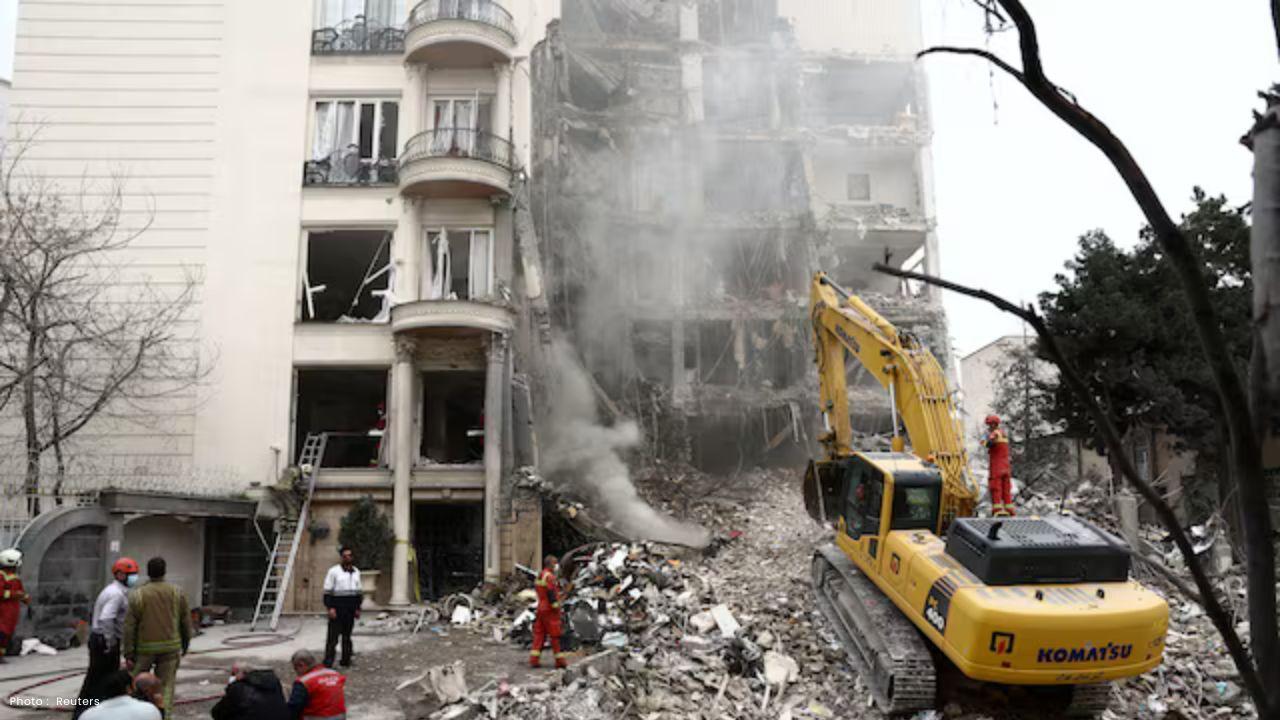
In recent weeks, the United States has carried out multiple strikes targeting Iran’s military infrastructure. At the same time, Iran has responded with missile attacks and strong warnings, making the region highly unstable. The situation has created fear not only in the Middle East but across the world.
Iran’s foreign ministry has said that while the ceasefire proposal is being examined, there is no plan to start negotiations right now. Iranian officials have also denied claims that any talks are taking place with the United States, even though Washington has suggested otherwise.
From Iran’s point of view, talks cannot happen under pressure. The country is believed to be asking for strong guarantees before agreeing to any deal. These include safety from future attacks, possible compensation for damage, and control over important areas like the Strait of Hormuz, which is one of the world’s most important oil routes.
Iran has also made it clear that it will not negotiate limits on its missile program, which it considers essential for its national defense. This position makes it harder for both sides to find common ground.
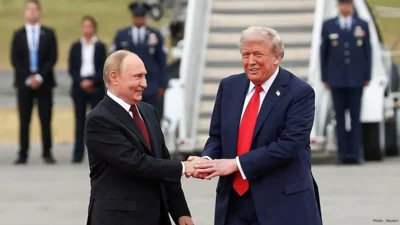
On the other side, Donald Trump has given mixed signals. At times, he has said that the United States is in contact with the “right people” in Iran and that talks could happen. But in other statements, he has claimed that there are no leaders left in Iran to negotiate with, suggesting that military action has weakened Tehran’s leadership.
These conflicting messages have added confusion and made diplomacy even more difficult. When both sides send different signals, it becomes harder to build trust or move forward.
Trust remains the biggest obstacle in this conflict. Even before the war, the United States and Iran were involved in indirect talks about Iran’s nuclear program. Those discussions showed some progress but eventually collapsed when military actions began.
From Iran’s side, there is a strong belief that the United States cannot be trusted to keep its promises. From the American side, there are serious concerns about Iran’s nuclear ambitions and its role in regional conflicts. Because of this, even a simple ceasefire becomes difficult to achieve.
This conflict is not just about two countries. It affects the entire world. Oil markets have already started reacting to every new development. Any disruption in the Strait of Hormuz could affect global oil supply, leading to higher fuel prices and economic pressure in many countries.
Even though Iran has refused talks for now, the fact that it is reviewing the ceasefire plan shows that diplomacy is not completely closed. There is still a small window for peace, but it is narrowing quickly.
If both sides continue with threats and attacks, the chance for a peaceful solution may disappear. But if mediators can help rebuild trust and bring both sides to the table, there may still be hope for a resolution.
War may bring short-term results, but it does not create lasting peace. The longer this conflict continues, the more damage it will cause—not just in the region, but across the world. A ceasefire, even if temporary, could help reduce tensions and open the door for meaningful dialogue.







Meta Unveils Subscription Plans for Instagram, Facebook, and WhatsApp
Meta introduces new subscription plans for users of Instagram, Facebook, and WhatsApp, featuring enh

Suvarna Joy on Education Leadership, Resilience, and Building Purpose Through Adversity in the UAE
Suvarna Joy shares her journey of education leadership, motherhood, faith, and resilience within the

DAE Achieves Remarkable Growth in Q1 2026 With Record Revenue
Dubai Aerospace Enterprise announces impressive financial results for Q1 2026, reflecting a surge in

Starbucks Engages Boyu Capital for Major Chinese Expansion
Starbucks teams up with Boyu Capital, selling a majority stake to boost growth and adapt to the Chin

Three Individuals Charged in Massive Meth Trafficking Case in Malaysia
In Malaysia, a married couple and another suspect are charged with trafficking 510kg of meth, facing