Post by : Saif Nasser
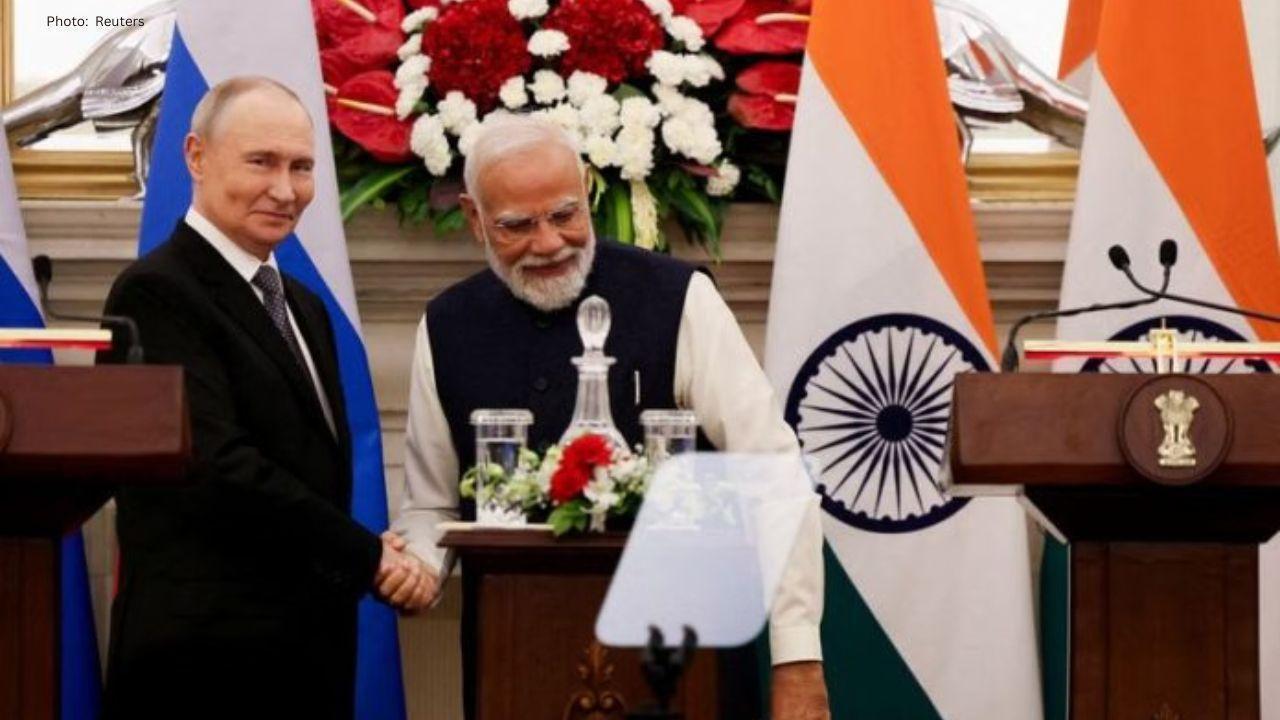
Top Indian defence companies have recently held rare meetings in Russia to explore potential joint ventures, marking the first such visit by Indian defence executives since 2022. Sources familiar with the matter say that at least six executives, including representatives from Adani Defence and Bharat Forge, attended the discussions. The meetings took place on the sidelines of an official visit by an Indian defence-industrial delegation to Moscow in late October, which was aimed at preparing for Russian President Vladimir Putin’s visit to India in early December. The Indian government is seeking to modernize its defence ties with Russia, focusing more on joint research, development, and co-production of advanced weapon systems.
According to sources, the talks discussed potential production of spare parts for Russian-origin equipment like the MiG-29 fighter jet, as well as other air defence and weapon systems. There were also proposals to set up production units in India for new defence equipment, which could later be exported to Russia. Russian officials have said that the long-standing India-Russia defence partnership will now focus on joint research, co-development, and co-production to support India’s self-reliance in defence technology.
A wide range of representatives participated, including executives from large Indian conglomerates, state-owned firms, and startups involved in drones and military AI technologies. Executives from Bharat Forge attended to explore joint development of components for Russian-origin tanks, helicopters, and aircraft. Adani Defence was represented by its CEO, Ashish Rajvanshi. The Society of Indian Defence Manufacturers, which includes more than 500 companies such as Tata Sons, Larsen & Toubro, and Bharat Electronics, was also represented at the meetings.
While the collaboration could strengthen India-Russia defence ties, there are challenges. Indian firms are cautious about secondary sanctions from Western countries, as these could affect future access to Western technology. About 36% of India’s military equipment still comes from Russian-origin systems, which has been a limiting factor in acquiring sensitive Western defence technologies. Industry executives say that while diplomatic efforts can provide some protection, companies must carefully assess political and financial risks before entering new deals with Russia. Past incidents, such as exports of artillery shells by Indian firms to Europe that were diverted to Ukraine, have already caused diplomatic tension with Moscow.
The meetings highlight India’s ambition to become a global defence manufacturing hub while maintaining strong ties with Russia. However, companies and the government must carefully navigate the competing demands of modernizing Indian defence technology, expanding domestic production, and managing relations with Western partners. With global geopolitics increasingly complex, India’s defence industry is trying to balance strategic partnerships, technology access, and international regulations. How these efforts unfold will influence India’s position as a major player in global defence manufacturing in the coming years.





Mattel Revives Masters of the Universe Action Figures Ahead of Film Launch
Mattel is reintroducing Masters of the Universe figures in line with its upcoming film, tapping into
China Executes 11 Members of Criminal Clan Linked to Myanmar Scam
China has executed 11 criminals associated with the Ming family, known for major scams and human tra
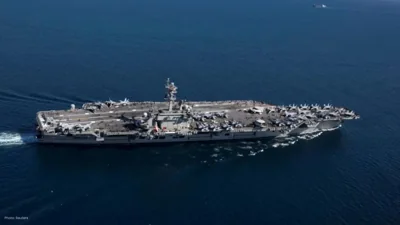
US Issues Alarm to Iran as Military Forces Deploy in Gulf Region
With a significant military presence in the Gulf, Trump urges Iran to negotiate a nuclear deal or fa
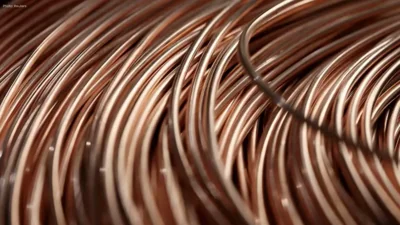
Copper Prices Reach Unprecedented Highs Amid Geopolitical Turmoil
Copper prices soar to all-time highs as geopolitical tensions and a weakening dollar boost investor
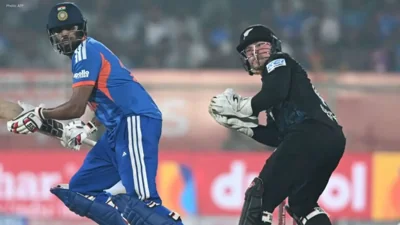
New Zealand Secures First Win Against India, Triumph by 50 Runs
New Zealand won the 4th T20I against India by 50 runs in Vizag. Despite Dube's impressive 65, India