Post by : Raina Nasser
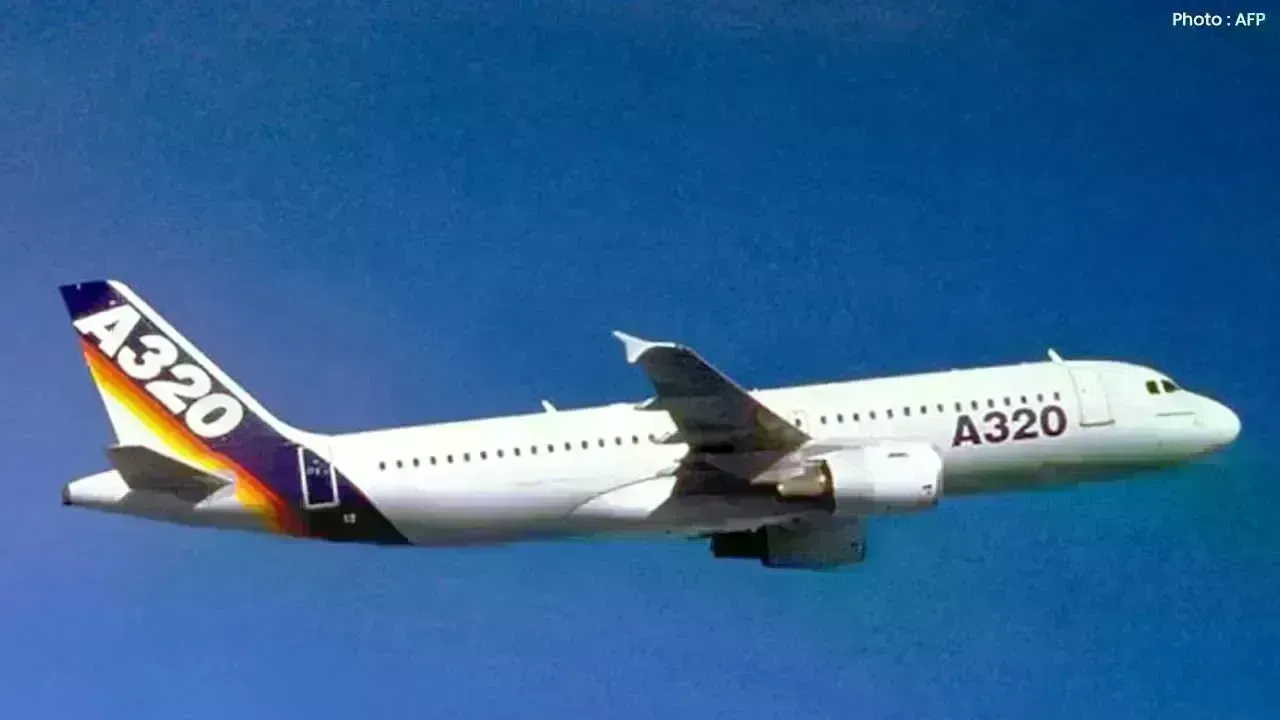
Indian airlines, notably Air India and IndiGo, have initiated immediate checks on their Airbus A320-family fleets due to a pressing emergency airworthiness directive from the European Union Aviation Safety Agency (EASA). This directive was prompted by a recent in-flight incident that raised significant safety concerns regarding a vital flight control system found in numerous Airbus aircraft globally.
Following the alert, both Air India and IndiGo began urgent inspections. They assured that essential updates would be finalized by the day’s end, with minimal disruption expected for passengers. Officials mentioned that any delays attributable to these checks would be brief, not exceeding 30 minutes.
The EASA directive imposes a temporary grounding of around 6,000 Airbus A320-family planes worldwide until the necessary fixes are implemented. This group includes the models A318, A319, A320, and A321, which are frequently used for both domestic and international flights.
India’s Directorate General of Civil Aviation (DGCA) issued its own urgent notice mandating the inspection and replacement of a component referred to as “ATA 27,” which relates to flight controls and the elevator aileron computer.
Air India reported that its engineering teams are actively working to carry out resets on affected aircraft. They confirmed that over 40% of the fleet had already completed the necessary updates, reassuring that they would meet the EASA deadline without cancelling any flights during the safety operation.
IndiGo, the largest A320-family aircraft operator in India, announced it has successfully conducted the mandatory update on 160 out of 200 aircraft. The airline stated that the remainder would comply within the specified timeline, ensuring safety and reliability for their passengers.
The directive stems from a concerning incident last month during a flight from Cancun to Newark, wherein an Airbus A320 unexpectedly pitched nose-down at 35,000 feet without pilot command, resulting in a significant altitude drop. The aircraft safely diverted to Tampa, yet the incident underscored serious safety risks.
Investigations revealed a fault in the elevator aileron computer (ELAC), a crucial component that translates pilot commands into movements of the aircraft’s wings and tail. Airbus discovered that solar radiation could corrupt data within the ELAC’s updated software, creating risks of uncommanded movements and undue structural strain.
Airbus has mandated that any aircraft using older ELAC models must install the updated and safer ELAC L103 Plus version before their next commercial flight, allowing only short repositioning flights without passengers to transit aircraft to maintenance facilities.
The situation has captured significant attention across the aviation community, prompting safety agencies and airlines to prioritize the matter. Both affected Indian carriers assure travelers of the ongoing safety of their fleets and highlight their committed and swift updates.










Price Increase for Sony PS5 in Southeast Asia Effective May 1
Sony announces a price increase for the PS5 across Southeast Asia starting May 1, 2026, impacting ga

Potential ‘Super El Niño’ in 2026: Understanding the Climate Risks
Could a Super El Niño emerge in 2026? Discover its implications and potential global climate impacts

Global Energy Crisis Intensifies: Markets React to Oil Supply Challenges
Markets are on edge as oil disruptions escalate, influencing prices and economic stability. Explore

Must-See Tourist Spots in London You Can't Overlook
Explore London's essential attractions, from royal landmarks to vibrant markets, ensuring an unforge

Ultimate Guide to Snagging Cheap Flights in 2026
Unlock the secrets to booking affordable flights in 2026 with insightful tips and strategies tailore

The Impact of Consistent Small Investments on Wealth Building
Discover how investing small amounts regularly can positively transform your financial future over t