Post by : Saif Nasser
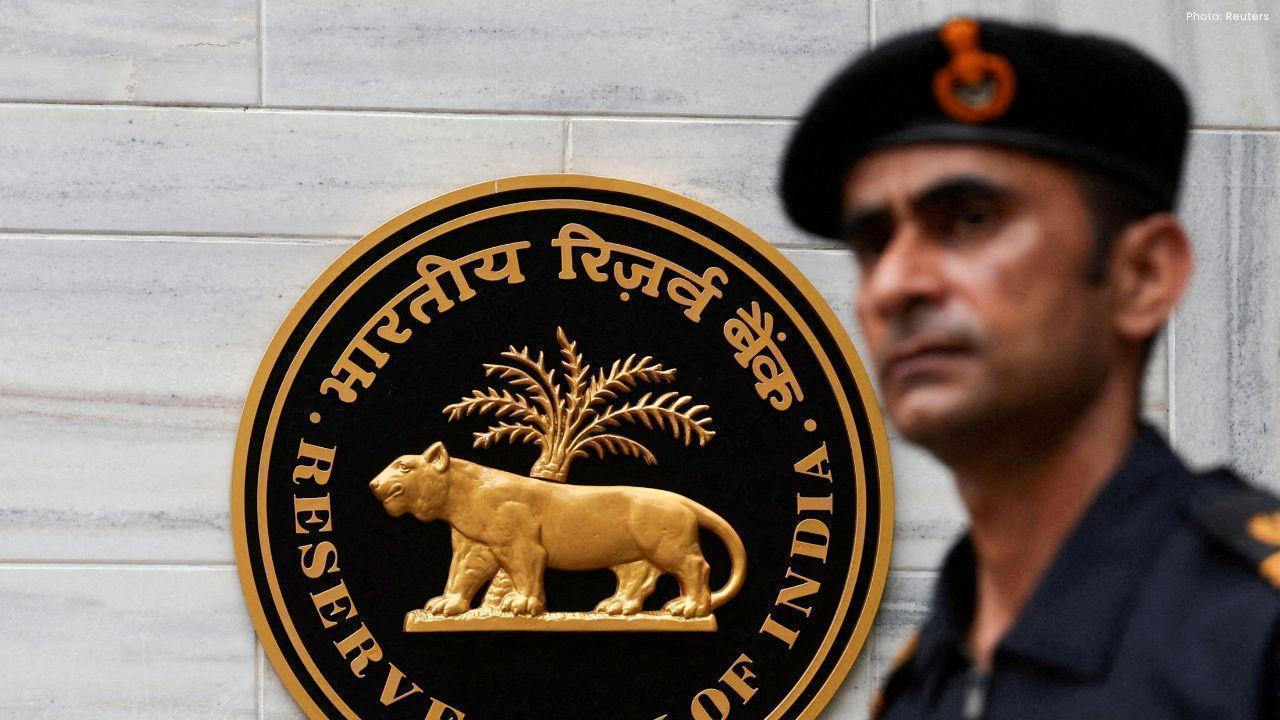
India’s central bank is likely selling U.S. dollars from its foreign exchange reserves to support the value of the Indian rupee. Traders and market experts say this step is meant to keep the rupee from weakening too much against the dollar. This action shows that monetary authorities are watching the currency closely and are ready to act when needed.
The rupee has faced pressure recently due to global economic changes and wider market forces. When a country’s currency weakens sharply, it can make imports more expensive and push up the cost of fuel, medicine, and other goods that the country buys from abroad. A weaker rupee can also make countries worry about inflation, which is the rise in prices of goods and services over time.
India’s central bank, known as the Reserve Bank of India, holds foreign exchange reserves made up mostly of U.S. dollars, euros, and other major world currencies. These reserves help the bank manage the value of the rupee by selling or buying foreign currency when needed. Selling dollars can increase the supply of rupees in the market, which supports its value.
According to traders, there have been signs that the central bank is spending some of its dollar reserves to slow down the rupee’s fall. They point to changes in currency trading patterns and data that show the bank’s dollar holdings may be declining. While the central bank does not give exact details of every trade, its moves are closely watched by financial markets.
Many factors affect the value of a currency like the rupee. A strong U.S. dollar globally can put pressure on other currencies. When investors prefer the dollar during times of uncertainty, they may sell other currencies to buy dollars, causing those currencies to weaken. In India’s case, global economic conditions and investor behaviour have contributed to the rupee’s recent struggles.
The central bank’s actions are part of broader efforts to keep the financial system stable. Strong reserves give the bank room to act when pressures rise. India still has one of the highest foreign exchange reserve levels in the world, which helps it respond to market challenges.
Support for the rupee can have benefits for ordinary Indians. A stable currency helps keep the cost of imported products steady. It also builds confidence among investors who may be more willing to invest in Indian businesses, knowing that the economy’s foundations are supported by strong financial policy.
Some analysts say the central bank’s intervention may only be temporary. They suggest that long-term strength of the rupee will depend on broader economic performance, including export levels, foreign investment flows, and global financial conditions. A strong and balanced economy can support a stable currency without frequent interventions.
The central bank’s commitment to careful management is important because it signals that authorities are ready to respond to challenges. The Reserve Bank of India has a history of using its tools to maintain currency stability, and selling dollars is one such tool. Intervening in the market is not unusual, especially for large and open economies that trade frequently with the world.
For consumers, the direct effects of such actions may not be immediately visible. But over time, currency stability can reduce uncertainty in prices of everyday items, energy costs, and loans. It can also influence how affordable foreign travel and international education become for citizens.
Business leaders and investors have welcomed the central bank’s efforts to strengthen the rupee. They say that steady monetary policy can reduce short-term volatility and help plan long-term investment strategies. Firms that import raw materials or export products also benefit when the currency remains predictable.
Despite these efforts, the rupee’s value will continue to reflect both domestic conditions and global forces. Factors such as international trade flows, interest rates set by other central banks, and geopolitical developments all play a role in the value of a currency.
In a world of fast-moving financial markets, central banks must balance several goals. They aim to protect the value of the currency, support economic growth, and manage inflation. India’s latest actions suggest its central bank is actively working to fulfill these goals and maintain confidence in the country’s financial system.










Starbucks Engages Boyu Capital for Major Chinese Expansion
Starbucks teams up with Boyu Capital, selling a majority stake to boost growth and adapt to the Chin

Three Individuals Charged in Massive Meth Trafficking Case in Malaysia
In Malaysia, a married couple and another suspect are charged with trafficking 510kg of meth, facing

Singapore Police Revisit Geylang Murder Scene with Suspect
In Geylang, police return a murder suspect to the scene of a crime involving the fatal stabbing of a

Mattel Revives Masters of the Universe Action Figures Ahead of Film Launch
Mattel is reintroducing Masters of the Universe figures in line with its upcoming film, tapping into

China Executes 11 Members of Criminal Clan Linked to Myanmar Scam
China has executed 11 criminals associated with the Ming family, known for major scams and human tra