Post by : Raina Nasser
During a recent United Nations Security Council session, India firmly rejected Pakistan's assertions regarding Jammu and Kashmir while highlighting Pakistan's track record on terrorism and its internal political dilemmas.
In the debate focused on “Leadership for Peace,” India’s UN Permanent Representative, Ambassador Harish Parvathaneni, affirmed that Jammu and Kashmir, along with Ladakh, are essential and inseparable from India. He emphasized their enduring status as part of the nation.
Parvathaneni accused Pakistan of fixating on endeavors to undermine India and its citizens. He pointed out that Pakistan misuses international forums to address matters that have been conclusively resolved while diverting attention from its own prevailing issues.
India elaborated on its suspension of the Indus Waters Treaty, attributing this to Pakistan's longstanding backing of cross-border terrorism. The ambassador noted that this treaty, agreed upon in good faith 65 years ago, had been consistently undermined by Pakistan through warfare and the sponsorship of countless terror attacks.
Addressing the severe impact of terrorism, Indian officials stated that tens of thousands of lives have been lost due to attacks sponsored by Pakistan over four decades. Parvathaneni referenced the tragic terror incident in Pahalgam, Jammu and Kashmir, earlier this year, where 26 civilians, including an outsider, lost their lives.
In this context, India decided to pause the Indus Waters Treaty until Pakistan effectively and permanently ceases its support for terrorism. The Indian delegation labeled Pakistan as a global hub of terrorism, asserting that its continuous violence hampers any potential for cooperation.
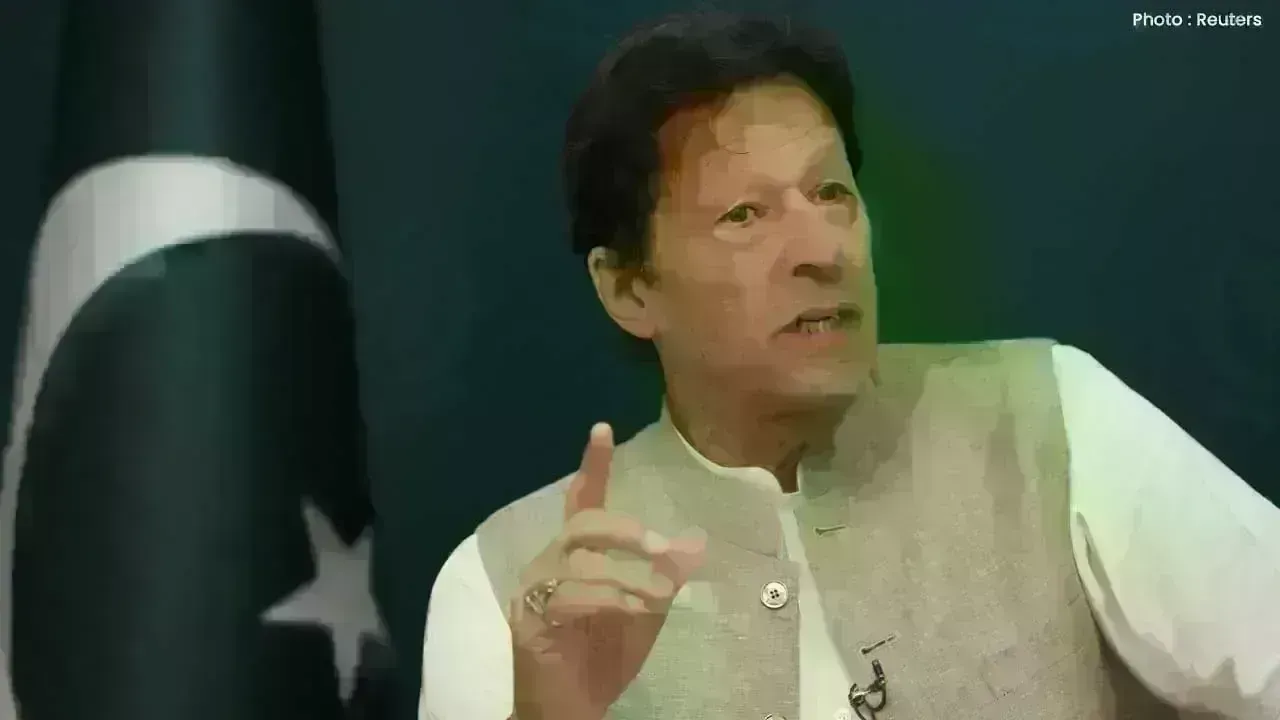
Furthermore, Parvathaneni criticized Pakistan's political environment, mentioning the imprisonment of Imran Khan, the prohibition of his political party Pakistan Tehreek-e-Insaf, and characterized the constitutional alterations as a coup d'état that undermines democratic integrity.
India reiterated its commitment to combating Pakistan-sponsored terrorism decisively, protecting its citizens and national security from cross-border threats.
These strong statements followed remarks from Pakistan's representative, who reiterated claims about the unresolved status of Jammu and Kashmir and criticized India's suspension of the Indus Waters Treaty. Pakistan indicated that peace in South Asia hinges on addressing the Kashmir issue and accused India of breaching international responsibilities.
India dismissed these allegations, reaffirming that Jammu and Kashmir is an internal issue and asserting that Pakistan lacks the authority to question India's sovereignty. The Indian delegation remarked that Pakistan's efforts to internationalize the matter are deceptive and meant to distract from its own crises.
This exchange highlighted the entrenched diplomatic rift between India and Pakistan at the UN, with India standing resolute on matters concerning Kashmir, terrorism, and regional stability.









Mattel Revives Masters of the Universe Action Figures Ahead of Film Launch
Mattel is reintroducing Masters of the Universe figures in line with its upcoming film, tapping into

China Executes 11 Members of Criminal Clan Linked to Myanmar Scam
China has executed 11 criminals associated with the Ming family, known for major scams and human tra

US Issues Alarm to Iran as Military Forces Deploy in Gulf Region
With a significant military presence in the Gulf, Trump urges Iran to negotiate a nuclear deal or fa

Copper Prices Reach Unprecedented Highs Amid Geopolitical Turmoil
Copper prices soar to all-time highs as geopolitical tensions and a weakening dollar boost investor

New Zealand Secures First Win Against India, Triumph by 50 Runs
New Zealand won the 4th T20I against India by 50 runs in Vizag. Despite Dube's impressive 65, India