Post by : Anees Nasser
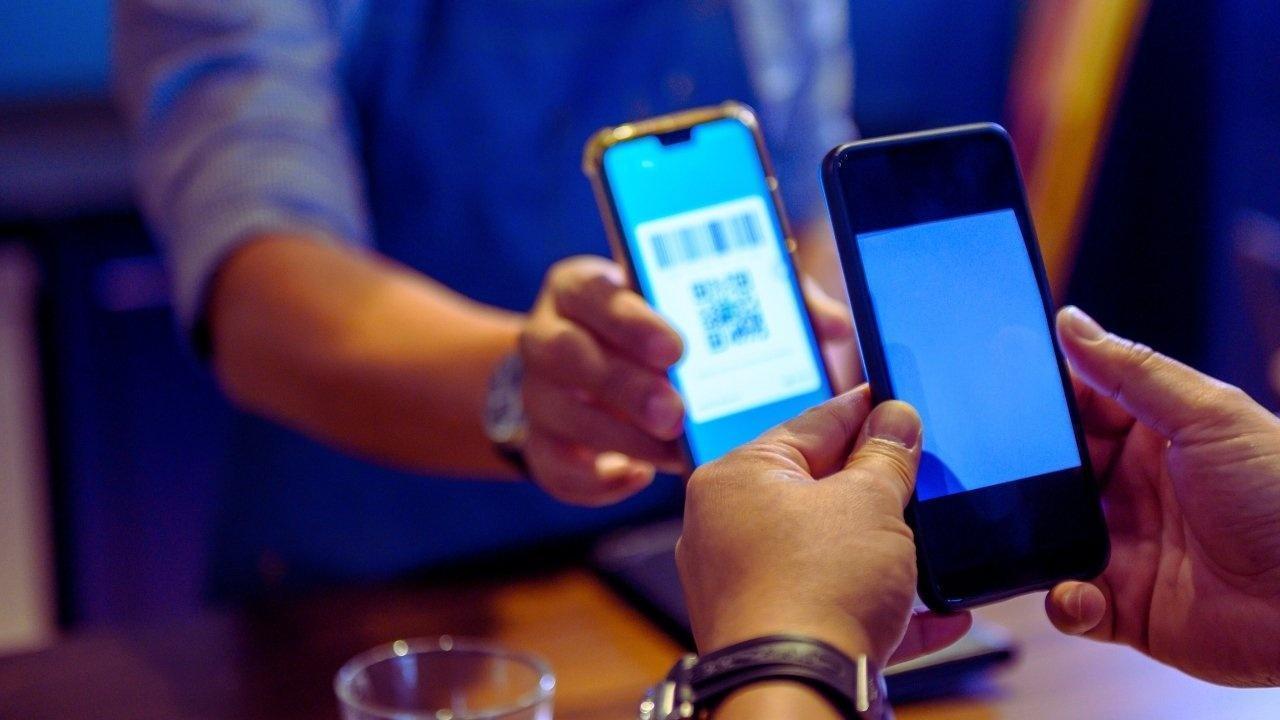
In recent years, a clear trend has emerged—transactions have predominantly transitioned to digital platforms. From local vendors to large enterprises, the movement towards cashless operations has been significant. Now, consumers frequently tap their cards, scan QR codes, or use mobile wallets for nearly every transaction. This change accelerated as the pandemic pushed for minimized physical interactions and encouraged the adoption of seamless digital solutions.
Despite the advantages, the recent spate of payment failures—from technical glitches to server downtimes—has starkly highlighted our dependency on uninterrupted digital systems. Simple tasks like purchasing groceries or traveling can unexpectedly come to a standstill during outages, exposing both the strengths and vulnerabilities of our cashless society.
Many individuals are unaware of how reliant their routines are on digital payments until faced with disruptions. Everyday services, from morning coffees to online deliveries, are seamlessly tied to various payment technologies. Cash usage has dwindled, often seen as cumbersome.
The rapid pace of digital transactions is appealing—offering quick payment methods and enhanced expense management has created an environment where digital payments are both preferred and anticipated.
However, this dependence means that any disruption can be unsettling.
The latest wave of payment failures in various regions led to significant disruptions in daily life. Failed transactions, frozen QR codes, and inaccessible banking apps left users frustrated and bewildered. For those accustomed to instant payments, this introduced a sense of disarray.
Key takeaways emerged. Firstly, the ease of digital payments hinges on a multitude of collaborating systems; a failure in any one—be it network providers, bank servers, or application platforms—can cause a chain reaction. Secondly, many individuals do not carry backup payment methods anymore. For most, the digital wallet resides within their phones. Hence, a failure in the app can lead to a complete halt of daily activities.
Yet, these disruptions ignited a crucial dialogue about the extent to which our lives are automated through digital payments and our readiness for unforeseen interruptions.
Payment failures, though seemingly trivial, can lead to unexpected stress. A person attempting to purchase a simple item or boarding public transport may find themselves in a precarious situation when faced with a system outage. The concern isn’t the financial cost; rather, it’s the anxiety of being stranded or embarrassed.
Such reactions underscore how intrinsic digital payments have become in our lives. The trust in these systems can be easily shaken, impacting our sense of security.
Once the cornerstone of transactions, physical cash has become less common. Many individuals now go weeks without withdrawing cash, and ATMs are experiencing reduced foot traffic.
In times of disruption, those who had a small reserve of cash found it easier to navigate daily challenges, while others struggled with even basic purchases.
These recent failures remind us that while digital payments offer convenience, cash remains a vital resource in emergencies.
An astonishing number of everyday activities rely on digital payments. For instance:
When glitches strike, many of these processes grind to a halt, highlighting the integral role of digital payments in everyday life.
Numerous small businesses depend heavily on digital transactions. From food stalls to local grocery stores, many prefer QR payments for their ease and reduced cash handling.
Payment outages often mean a significant drop in sales for these vendors. Some customers leave empty-handed, while others wait in uncertainty. This helplessness faced by vendors during breakdowns showcases the potential risks associated with an overreliance on digital payments.
In response to recent hiccups, a growing number of individuals are now adopting a blend of payment methods. They continue using digital platforms while keeping a modest cash reserve for unexpected situations. This transition marks an important shift from a purely cashless lifestyle to a more balanced approach.
People are beginning to stash small amounts of cash for emergencies, indicating a subtle yet vital change in consumer behavior.
These outages have also emphasized the necessity for digital literacy. Many people who are solely reliant on apps lack knowledge of alternative payment methods. Understanding how to navigate different apps, utilize offline features, or create access codes without an internet connection is becoming increasingly important.
With outages becoming more commonplace due to rising usage, developing digital skills is essential—family members are now encouraging their older relatives to familiarize themselves with various payment options.
Recent payment disruptions illuminated the extent to which many families rely on apps for budget tracking. When these systems fail, individuals lose insight into their transaction history, leading to confusion, especially for those on strict budgets.
In a digital-first environment, budgeting apps are crucial tools. The temporary inaccessibility of these apps raises concern about one’s financial status and reveals the significance of maintaining some form of offline accounting, particularly for regular expenses.
While younger populations are typically the most adept with digital payments, they too felt the strain from recent disruptions. Many began to acknowledge the importance of diversifying their payment options, whether that be physical cards or a modest sum of cash.
For students reliant on fixed budgets, a payment failure can disrupt their ability to manage everyday expenses. This experience has prompted a shift in their preparedness strategies, despite their preference for cashless transactions.
Simultaneously, younger individuals proved to be the quickest at adapting. They explored alternative methods, switched apps, and leaned on peer support, thus influencing how society navigates these disruptions.
A further challenge revealed by these outages is the reliance on devices. Payment processes become irrelevant if a phone's battery dies. Numerous users faced difficulties, not from app failures but from device shutdowns.
This situation sparked discussions about practical habits, including the importance of power banks or keeping crucial information saved offline.
Increasingly, businesses are proactively preparing for potential outages. Shops that typically accepted only digital payments are now incorporating backup card terminals or holding cash reserves for emergencies.
This evolution reflects a maturing market, where businesses recognize that the transition to a cashless economy must account for potential setbacks until systems mature.
Despite the challenges presented by disruptions, it is unlikely that society will revert to cash-centric systems. The convenience offered by digital transactions far outweighs the occasional inconveniences faced. The drive for speed, cleanliness, and financial transparency will keep digital payments at the forefront.
Instead of retreating, these disruptions foster more prudent behavior. Awareness is growing around the need for backup plans and limits on cashless transactions. The overall ecosystem continues to adapt and strengthen with each disruption.
As we move further into a cashless future, the key lies in achieving a healthy balance. Digital payments are here for the long run, and their advantages will only grow with further technological advancements.
The experiences from recent disruptions serve as vital reminders for both consumers and businesses alike: preparedness is essential. A well-rounded lifestyle integrates digital conveniences while maintaining a strategy for unforeseen glitches.
As society embraces cashless solutions, adopting habits for a more stable daily experience will be paramount.
This article provides an overview of lifestyle trends in financial habits and should not be taken as financial advice. Readers are encouraged to evaluate their specific needs when considering payment options or budgeting methods.










Price Increase for Sony PS5 in Southeast Asia Effective May 1
Sony announces a price increase for the PS5 across Southeast Asia starting May 1, 2026, impacting ga

Potential ‘Super El Niño’ in 2026: Understanding the Climate Risks
Could a Super El Niño emerge in 2026? Discover its implications and potential global climate impacts

Global Energy Crisis Intensifies: Markets React to Oil Supply Challenges
Markets are on edge as oil disruptions escalate, influencing prices and economic stability. Explore

Must-See Tourist Spots in London You Can't Overlook
Explore London's essential attractions, from royal landmarks to vibrant markets, ensuring an unforge

Ultimate Guide to Snagging Cheap Flights in 2026
Unlock the secrets to booking affordable flights in 2026 with insightful tips and strategies tailore

The Impact of Consistent Small Investments on Wealth Building
Discover how investing small amounts regularly can positively transform your financial future over t