Post by : Anees Nasser
Throughout the 20th century, nutritional science was largely centered on macronutrients, vitamins, and calorie counts. Dietary guidelines focused on universal principles like minimizing fat and counting calories.
Recent investigations into gut health have shifted this paradigm.
Research indicates that the interactions between food and the gut's millions of microbes may be even more crucial than the food itself. A meal can yield varying metabolic outcomes based on an individual’s gut microbiome, moving nutrition towards tailored, biology-driven strategies.
Consequently, what defines a “healthy diet” is undergoing a significant transformation.
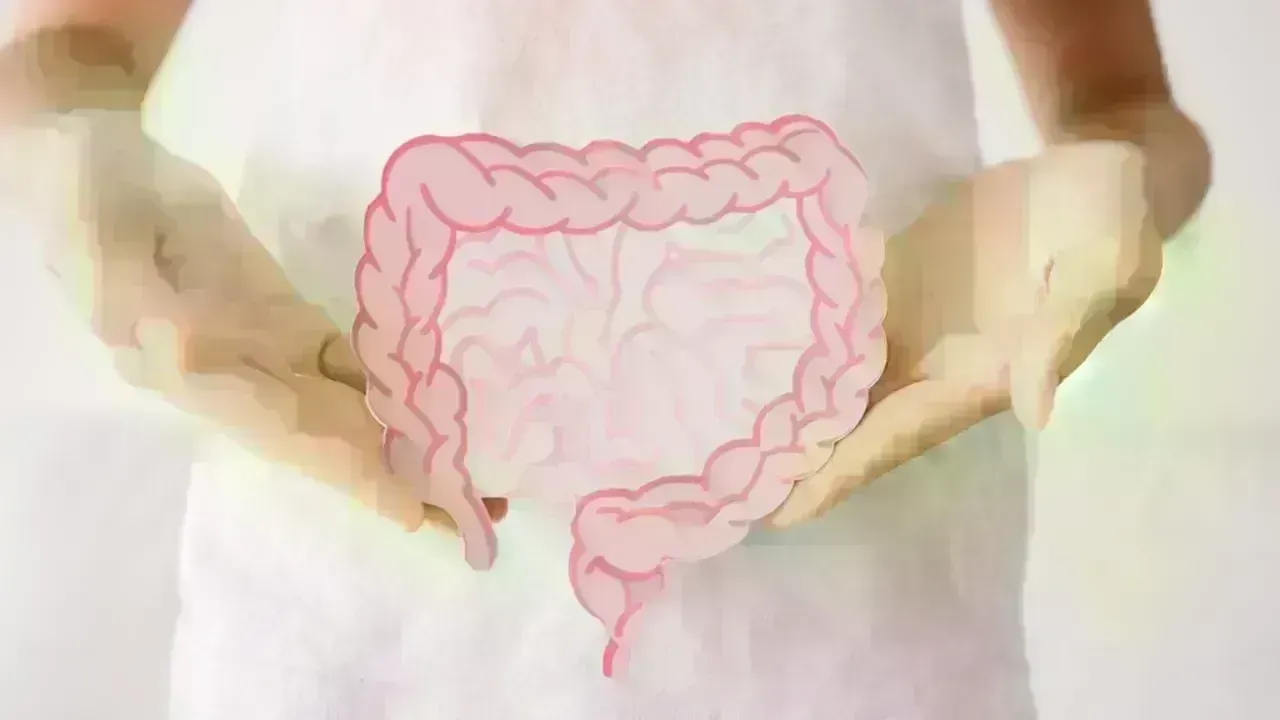
The human gut harbors approximately 40 trillion microorganisms, ranging from bacteria to fungi and viruses, collectively known as the gut microbiome.
These microorganisms:
Digest complex carbohydrates
Create essential metabolites
Modulate immune function
Affect hormonal and neurotransmitter levels
Scientists increasingly view the microbiome as a vital organ, influencing more than mere digestion.
Microbial study in nutrition sciences lagged due to their elusive nature. Innovations in DNA sequencing have enabled a deeper exploration of these microbial communities.
Initiatives like the Human Microbiome Project highlighted extensive microbial variability among individuals, correlating strongly with health outcomes.
Different individuals may consume the same meal yet experience divergent effects on metrics such as blood sugar levels and inflammation. Gut health research demonstrates that microbial makeup influences these metabolic reactions.
Certain microbes:
More effectively extract energy from food
Generate anti-inflammatory substances
Affect insulin sensitivity
Conversely, others may lead to inflammation or metabolic issues.
This variability elucidates why:
Some individuals excel with high-fiber diets
Others may experience bloating or low energy
Weight loss outcomes vary widely
Nutrition is increasingly viewed through the lens of individuality.
Approaches like low-fat, low-carb, keto, and veganism show that no singular diet holds universal superiority; efficiency is contingent on microbiome compatibility.
This knowledge is steering nutritional science towards customized dietary frameworks.
Gut microbes primarily dine on dietary fiber, particularly complex plant fibers indigestible by humans. The fermentation of fiber results in short-chain fatty acids, supporting gut integrity, mitigating inflammation, and regulating appetite.
Recent findings have elevated fiber from a mere digestive assist to a core nutrient for overall well-being.
Research distinguishes between:
Soluble fiber
Insoluble fiber
Resistant starches
Prebiotic fibers
Each type nurtures distinct microbial groups, underscoring the relevance of variety in plant foods rather than dependence on supplements.
Foods like yogurt, kefir, kimchi, sauerkraut, and miso are seeing a resurgence in scientific attention. These foods introduce live microbes and fermentation byproducts that bolster microbial diversity.
Unlike commercial probiotics, fermented foods:
Contain multiple microbial strains
Include beneficial metabolites
Naturally blend into everyday meals
Studies are increasingly supporting their role in enhancing gut resilience over simply “adding” isolated bacteria.
Gut health research is also reevaluating the probiotic sector, revealing that many commercial products do not sustain in the gut over time.
The narrative is shifting from “adding bacteria” to fostering conditions for beneficial microbes to flourish.
The gut communicates with the brain via neural, immunological, and hormonal pathways known collectively as the gut-brain axis.
Gut microorganisms contribute to:
Production of serotonin
Regulation of stress hormones
Inflammation control
Cognitive functionality
This relationship helps to elucidate the connections between diet and mental health issues such as anxiety and depression.
Emerging sciences show that enhancing gut health can:
Alleviate depression symptoms
Increase stress handling capacity
Enhance sleep quality
Thus, nutrition is becoming more intricately linked with psychological health, rather than an isolated concern.
About 70% of immune cells are seeded in the gut, training them to differentiate between harmful and innocuous stimuli.
Disrupted gut flora—often caused by:
Ultra-processed foods
High sugar intake
Chronic stress
Frequent antibiotic use
—can lead to low-grade inflammation, which is associated with various chronic diseases.
Rather than focusing on individual “superfoods,” gut studies advocate for microbiome-friendly eating patterns that include:
Diverse plant consumption
Minimal food processing
Healthy fats intake
Regular fiber consumption
Nutritional guidance is now transitioning from isolated nutrients to a more holistic perspective.
Gut health research intensifies scrutiny on ultra-processed foods. These products often:
Lack substantial fiber
Include additives and emulsifiers
Disrupt gut microbial harmony
Studies show that additives can weaken gut barrier integrity and disrupt microbial balance, unrelated to calorie content.
This sheds light on why two diets with the same caloric value can yield starkly different health impacts.
Nutrition labels highlighting calorie counts and macronutrients do not encompass how food interacts with gut systems. The current focus is on food composition, ingredient quality, and microbial dynamics.
Innovations from both commercial enterprises and research institutions are looking at diet plans grounded in:
Microbiome sequencing
Blood sugar reaction analysis
Metabolic indicators
Such methodologies aim to predict how individual responses may differ from generalized dietary recommendations.
Despite being a work in progress, tailored nutrition signifies a dramatic pivot from traditional dietary rules.
Wearable glucose monitors, AI-based food analysis, and microbiome assessments are propelling this evolution, shifting nutrition towards data-driven rather than prescriptive methods.
Culinary traditions from the Mediterranean, Japan, India, and Africa inherently align with gut-boosting principles:
Rich plant diversity
Consumption of fermented foods
Minimized food processing
Research in gut health validates what cultural teachings have long indicated: diversity and balance outweigh restrictive food choices.
As discoveries advance, nutritional science is stepping past Western-centric models, recognizing that traditional local diets might better support microbial health than modern processed options.
Rather than rigid dietary rules, gut health studies prompt inquiries like:
How does this food influence my sensations?
Is my diet nurturing diversity?
Am I considering the needs of my microbes?
Wellness is framed as a living, evolving journey rather than a checklist.
Gut health research favors long-term habits over the pursuit of “perfect eating” and underscores:
The importance of routine
Diversity over limitations
Flexibility over strictness
This shift embodies a psychological change as well as a scientific one.
Not all assertions regarding gut health are backed by robust evidence. The field is intricate, constantly evolving, and often oversimplified in mainstream narratives.
Experts warn against:
Adopting universal microbiome solutions
Excessive testing without understanding
Viewing gut health as a universal remedy
Responsibility in interpretation is crucial.
Gut health research remains in its formative stages. The majority of findings illustrate correlations rather than causations. Guidance in nutrition will evolve alongside increasing insights.
The field of gut health research is fundamentally reshaping our understanding of nutrition. Food is no longer perceived solely as a source of energy, but as information—a signal influencing microbial ecosystems, immune reactions, mental health, and enduring well-being.
The new nutritional schema is:
Personalized over one-size-fits-all approaches
Ecological instead of reductionist
Preventative rather than reactive
As researchers unveil the gut's extensive influence, nutrition is evolving away from restrictions, focusing on supporting a rich internal ecosystem.
The future of healthy eating may not center around consuming less, but on eating with greater wisdom, diversity, and intention.
Disclaimer:
This article is meant for informational purposes only and mirrors current scientific insights, which are fluid. It does not substitute professional medical or dietary guidance.










Anticipated Dates for UAE Eid Al Adha 2026 Unveiled by Astronomical Experts
Experts predict Eid Al Adha 2026 in the UAE to start on May 27, prompting early holiday planning amo

DAE Achieves Remarkable Growth in Q1 2026 With Record Revenue
Dubai Aerospace Enterprise announces impressive financial results for Q1 2026, reflecting a surge in

Price Increase for Sony PS5 in Southeast Asia Effective May 1
Sony announces a price increase for the PS5 across Southeast Asia starting May 1, 2026, impacting ga

Potential ‘Super El Niño’ in 2026: Understanding the Climate Risks
Could a Super El Niño emerge in 2026? Discover its implications and potential global climate impacts

Global Energy Crisis Intensifies: Markets React to Oil Supply Challenges
Markets are on edge as oil disruptions escalate, influencing prices and economic stability. Explore

Must-See Tourist Spots in London You Can't Overlook
Explore London's essential attractions, from royal landmarks to vibrant markets, ensuring an unforge




