Post by : Sami Jeet
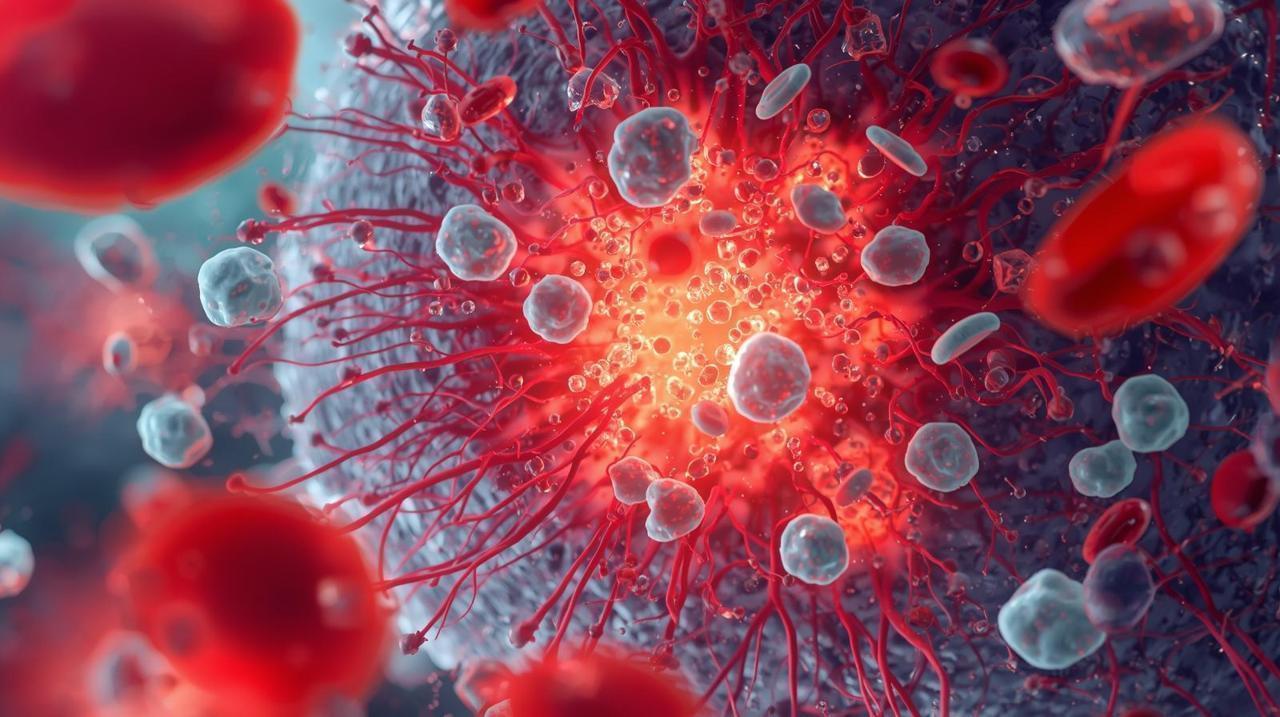
Inflammation is your body’s natural defense mechanism — a response to injury, infection, or harmful substances. In short bursts, inflammation helps your body heal. However, when it becomes chronic, it can silently damage tissues, joints, and organs, leading to serious health problems such as arthritis, heart disease, diabetes, and even cancer.
The good news is that chronic inflammation can be managed — and even reduced — naturally. You don’t always need medication to find relief. With the right foods, lifestyle changes, and habits, you can restore balance to your body and control inflammation at its root.
Let’s explore how to reduce inflammation naturally, safely, and effectively.
Inflammation is not always harmful. It’s a vital part of your body’s healing process. When you get a cut or infection, your immune system releases white blood cells and chemicals to fight off bacteria and repair tissue. This is known as acute inflammation — short-term and beneficial.
However, when your body stays in a constant state of alert — due to poor diet, stress, lack of sleep, or toxins — it can trigger chronic inflammation. Over time, this damages healthy tissues and disrupts normal body functions.
Common signs of chronic inflammation include:
Fatigue or low energy
Body aches or joint pain
Brain fog
Digestive issues
Frequent infections
Skin problems such as acne or eczema
If left untreated, chronic inflammation can lead to more serious conditions like autoimmune diseases or metabolic disorders.
You can manage inflammation naturally through the right foods, habits, and lifestyle changes. These methods focus on restoring your body’s balance and reducing internal stress.
Food is one of the most powerful tools to control inflammation. Certain foods contain antioxidants, healthy fats, and phytonutrients that fight free radicals and calm the body’s inflammatory response.
Best anti-inflammatory foods include:
Fruits and vegetables: Berries, leafy greens, tomatoes, broccoli, and bell peppers
Healthy fats: Olive oil, avocados, nuts, and seeds
Fatty fish: Salmon, sardines, and mackerel (rich in omega-3 fatty acids)
Whole grains: Oats, quinoa, and brown rice
Herbs and spices: Turmeric, ginger, cinnamon, and garlic
These foods reduce inflammation while supporting your immune system and gut health.
Foods to avoid:
Processed foods and refined carbs
Excess sugar and sweetened beverages
Red and processed meats
Trans fats (found in fried foods and packaged snacks)
Switching to a whole-food, plant-forward diet can make a significant difference in just a few weeks.
Your gut health has a major impact on inflammation. An imbalanced gut microbiome can cause your immune system to overreact, triggering chronic inflammation.
To maintain a healthy gut:
Eat fiber-rich foods like oats, fruits, and vegetables.
Add probiotic-rich foods such as yogurt, kefir, kimchi, and sauerkraut.
Limit artificial sweeteners and processed foods that harm gut bacteria.
A strong gut barrier helps prevent “leaky gut syndrome,” which allows toxins to enter your bloodstream and promote inflammation.
Dehydration can make inflammation worse by reducing your body’s ability to flush out toxins. Drinking enough water supports circulation and helps carry nutrients to your cells.
Aim for 8–10 glasses of water daily, and include hydrating foods such as cucumbers, oranges, and melons. Herbal teas like chamomile and green tea are also beneficial due to their anti-inflammatory antioxidants.
Physical activity helps reduce inflammation naturally by improving blood flow and regulating hormones. It also helps maintain a healthy weight — excess fat, particularly around the abdomen, can release inflammatory chemicals.
Effective anti-inflammatory exercises include:
Brisk walking or jogging
Yoga and stretching
Swimming or cycling
Strength training
Try to engage in at least 30 minutes of moderate exercise most days of the week. However, avoid overtraining, as excessive exercise without recovery can cause temporary inflammation.
Chronic stress triggers the release of cortisol, a hormone that, when elevated for long periods, increases inflammation in the body.
To manage stress naturally:
Practice deep breathing or meditation daily.
Take short breaks during work to stretch and relax.
Engage in hobbies that calm your mind.
Spend time outdoors or in nature.
Even simple techniques like journaling or practicing gratitude can significantly lower stress-induced inflammation.
Poor sleep can raise inflammation markers in the body, such as C-reactive protein (CRP). Quality sleep helps repair tissues, balance hormones, and strengthen your immune system.
To improve sleep:
Maintain a consistent sleep schedule.
Avoid caffeine or heavy meals before bed.
Create a dark, cool, and quiet sleeping environment.
Aim for 7–9 hours of quality sleep per night.
Consistent rest supports your body’s ability to fight inflammation naturally.
Excess body fat, especially around the abdomen, releases inflammatory chemicals called cytokines. These can lead to insulin resistance, heart disease, and other chronic conditions.
You don’t have to aim for extreme weight loss — even a 5–10% reduction in body weight can lower inflammation levels. Focus on balanced eating, portion control, and regular physical activity instead of crash diets.
Smoking damages blood vessels and increases oxidative stress, a key driver of inflammation. Similarly, excessive alcohol intake can harm the liver and gut, triggering inflammatory responses.
Quitting smoking and limiting alcohol to moderate levels (no more than one drink a day for women and two for men) can significantly reduce inflammation and improve long-term health.
While whole foods are the best way to control inflammation, certain natural supplements can provide added benefits.
Popular natural options include:
Turmeric (curcumin): Reduces inflammatory markers and joint pain.
Omega-3 fatty acids: Found in fish oil; supports heart and brain health.
Ginger extract: Helps with inflammation and digestion.
Green tea extract: High in antioxidants that protect cells from damage.
Vitamin D: Helps regulate immune response and inflammation.
Always consult a healthcare professional before starting supplements, especially if you have an existing condition or are on medication.
Everyday toxins — from air pollution to cleaning products — can trigger oxidative stress and inflammation.
To minimize exposure:
Use natural or fragrance-free cleaning products.
Avoid plastic containers with BPA.
Eat organic when possible.
Get air-purifying indoor plants or use an air purifier.
Small changes in your environment can have a big impact on reducing inflammation naturally.
Here are some simple meal ideas to include in your routine:
Breakfast:
Oatmeal topped with berries, flaxseeds, and a drizzle of honey
Lunch:
Grilled salmon or tofu with quinoa and steamed vegetables
Dinner:
Lentil soup with spinach, carrots, and turmeric
Snacks:
Handful of almonds or walnuts
Fresh fruit or Greek yogurt
These meals are nutrient-dense, anti-inflammatory, and easy to prepare.
If you experience persistent pain, swelling, or fatigue that does not improve with dietary and lifestyle changes, it’s best to consult a doctor. Some inflammation may stem from autoimmune conditions or chronic diseases that require medical intervention.
Chronic inflammation is often the result of modern lifestyle factors — poor diet, stress, and lack of sleep. The key to reducing it lies in taking a natural, preventive approach. By eating whole, anti-inflammatory foods, exercising regularly, managing stress, and sleeping well, you can reduce inflammation naturally without medication.
Consistency is vital. Small daily choices, such as choosing fruits over processed snacks or walking instead of sitting all day, can make a lasting impact on your health. Remember — when you care for your body naturally, your body takes care of you.










Mattel Revives Masters of the Universe Action Figures Ahead of Film Launch
Mattel is reintroducing Masters of the Universe figures in line with its upcoming film, tapping into

China Executes 11 Members of Criminal Clan Linked to Myanmar Scam
China has executed 11 criminals associated with the Ming family, known for major scams and human tra

US Issues Alarm to Iran as Military Forces Deploy in Gulf Region
With a significant military presence in the Gulf, Trump urges Iran to negotiate a nuclear deal or fa

Copper Prices Reach Unprecedented Highs Amid Geopolitical Turmoil
Copper prices soar to all-time highs as geopolitical tensions and a weakening dollar boost investor

New Zealand Secures First Win Against India, Triumph by 50 Runs
New Zealand won the 4th T20I against India by 50 runs in Vizag. Despite Dube's impressive 65, India