Post by : Sami Jeet
In our fast-paced lives, daily hair styling has become routine—whether it’s blow-drying in the morning or achieving a sleek look with straighteners. Although these practices might seem innocuous, the long-term repercussions can be severe. This article dives into how common styling routines can deteriorate hair health over time, revealing the gradual nature of the damage and offering tips for still enjoying styling while preserving hair integrity.
Hair may appear straightforward, but its biology is intricate.
Cuticle: The outermost layer serving as a shield with scales that overlap.
Cortex: The inner layer responsible for strength, color, and elasticity.
Medulla: The innermost layer, primarily found in thicker hair.
An intact cuticle is essential for healthy hair. When damage occurs, it often begins by lifting or cracking the cuticle, which exposes the vulnerable cortex beneath.
This damage manifests as dryness, weakness, frizz, and increased breakage.
Frequent heat styling poses the greatest threat.
Elevated temperatures can cause moisture loss from the hair shaft.
The protein bonds within the cortex begin to weaken.
Cuticle layers may lift or crack, leading to compromised hair strength.
Continuous exposure creates irreversible structural changes.
Daily blow dryers.
Flat irons and straighteners.
Curling wands and rollers.
Hot brushes.
Even using medium heat frequently can lead to damage.
It’s common for individuals to think their hair is healthy because it appears fine initially.
Hair grows slowly, leading to cumulative damage over time.
Outer layers can sometimes mask internal weaknesses.
Breakage typically starts at the mid-lengths and ends.
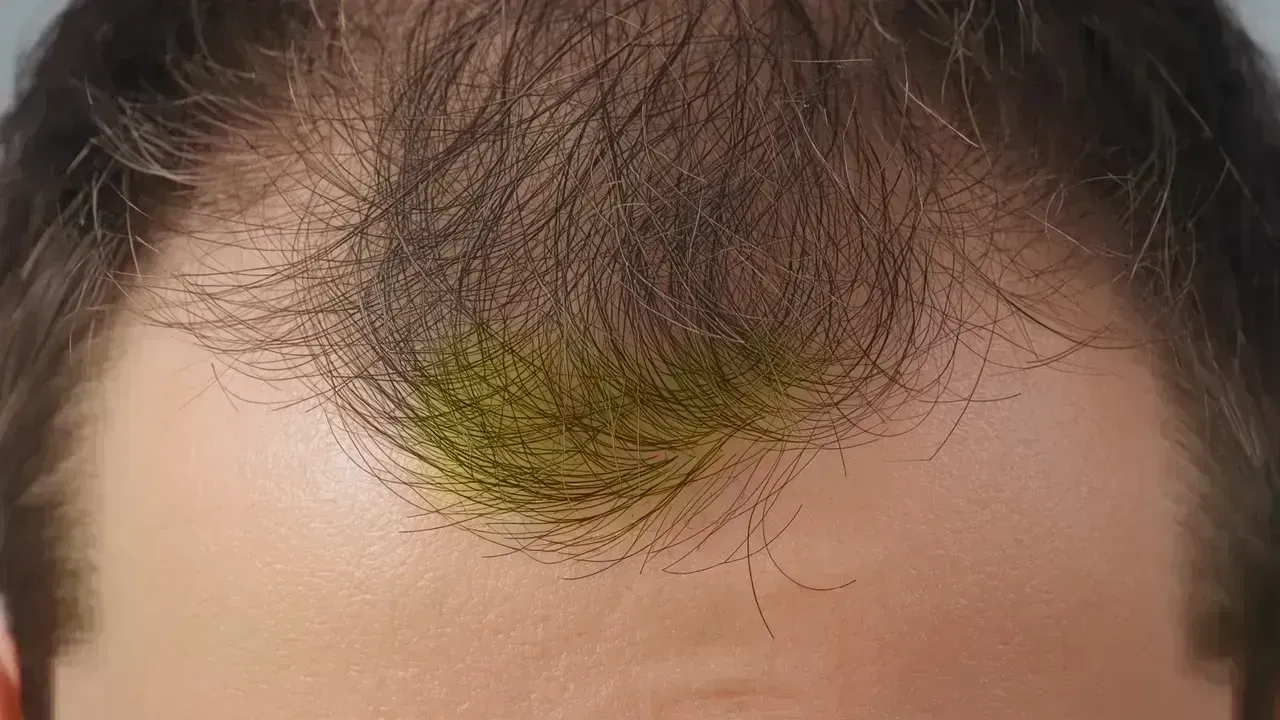
Thinning often only becomes apparent with significant volume loss.
By the time hair appears dull or sparse, the damage has been ongoing for years.
Heat isn’t the only factor in hair damage.
Tight ponytails exert pull on the hair from the root.
Braids and buns can strain the hair follicles.
Repeated stress can weaken follicle anchoring, leading to traction alopecia—a specific type of hair loss caused by constant pulling.
High ponytails.
Tight buns.
Cornrows and tight braids.
Frequent tying at the same area.
Over time, this approach can lead to inflammation in the follicles and compromised hair strength.
Many styling routines involve a variety of products.
Alcohol-based sprays can dry out the hair shaft.
Overuse of gels can harden hair, making it more susceptible to breakage.
Silicone buildup can hinder moisture absorption.
Heavy product use often results in hair that appears styled yet is internally fragile and dry.
Using styling products before applying heat can amplify the damage.
Product residues may heat unevenly.
Chemicals such as alcohol can harm the cuticle.
This combination accelerates hair brittleness and split ends.
Intensive styling often results in equally frequent washing.
Natural oils are repeatedly washed away.
Hair loses essential moisture and flexibility.
The scalp may become either excessively dry or overly oily.
Hair that is dry is significantly more vulnerable to damage.
Hair is at its weakest when wet.
Hair is more prone to stretching when wet.
Forceful brushing can easily snap strands.
Rough towel drying creates friction, adding to cumulative damage.
Color treatments already compromise hair integrity before additional styling.
Chemicals from treatments cause the cuticle to open.
Heat locks those damages into the cortex.
Styled and colored hair requires much more protection compared to uncolored hair.
Damage doesn’t stop at the strands; it also affects the scalp.
Heat can dry out scalp skin.
Accumulated product residues may clog hair follicles.
Tight styles may restrict blood flow.
Healthy hair growth hinges on a well-maintained scalp.
Styling damage seldom results from immediate, drastic loss.
Increased split ends.
Hair breakage during combing.
Decreased natural shine.
Persistent frizz despite products.
Thinner ponytail over time.
Inability of hair to grow past a certain length.
These symptoms point towards significant structural damage, beyond surface issues.
While conditioners may enhance visual appeal, they won’t restore hair structure.
Hair is lifeless tissue once it’s grown.
Products provide temporary smoothing but don’t truly heal.
Excessive protein may exacerbate brittleness.
Real recovery is about minimizing damage instead of hiding it.
You don't have to forego styling; it's about doing it wisely.
Limit heat styling to a few days per week.
Utilize the lowest heat settings that are effective.
Opt for air-drying whenever feasible.
Incorporate heat protectants on damp hair.
Ensure even distribution before styling.
Don't neglect protection even with blow-drying.
Avoid pulling hair at the same point daily.
Alternate between loose hairstyles.
Give roots their needed rest days.
Employ microfiber towels.
Detangle with wide-tooth combs.
Steer clear of aggressive brushing.
Choose washing frequency based on scalp needs, not routine.
Utilize gentle, sulfate-balanced cleansers.
Avoid excessive cleansing.
Recovery is attainable through consistent action.
Ensure adequate protein intake.
Maintain balanced nutrition.
Stay hydrated.
Practice effective stress management.
Hair health reflects overall well-being.
Incorporate gentle scalp massages.
Regularly remove buildup.
Avoid heavy layering of products.
Healthy follicles result in stronger hair.
If not addressed, styling damage can escalate to:
Chronic breakage.
Thinning hair density.
Traction-induced hair loss.
Stunted hair growth.
Being proactive helps prevent permanent follicle damage.
Hair damage typically results not from isolated poor decisions but from persistent, everyday habits over time. While modern styling tools are effective, the biology of our hair remains unchanged. Acknowledging the limits of your hair is paramount for preserving long-term thickness, strength, and growth.
Healthy hair doesn't mean it’s unstyled; it signifies well-maintained, protected hair.
This article serves as general information and is not intended to replace medical or dermatological advice. Hair damage can stem from various factors, including hair type, genetics, health status, and styling behaviors. For ongoing issues like hair breakage or loss, consult a professional for a thorough evaluation and guidance.










Anticipated Dates for UAE Eid Al Adha 2026 Unveiled by Astronomical Experts
Experts predict Eid Al Adha 2026 in the UAE to start on May 27, prompting early holiday planning amo

DAE Achieves Remarkable Growth in Q1 2026 With Record Revenue
Dubai Aerospace Enterprise announces impressive financial results for Q1 2026, reflecting a surge in

Price Increase for Sony PS5 in Southeast Asia Effective May 1
Sony announces a price increase for the PS5 across Southeast Asia starting May 1, 2026, impacting ga

Potential ‘Super El Niño’ in 2026: Understanding the Climate Risks
Could a Super El Niño emerge in 2026? Discover its implications and potential global climate impacts

Global Energy Crisis Intensifies: Markets React to Oil Supply Challenges
Markets are on edge as oil disruptions escalate, influencing prices and economic stability. Explore

Must-See Tourist Spots in London You Can't Overlook
Explore London's essential attractions, from royal landmarks to vibrant markets, ensuring an unforge




