Post by : Mikhael Nasser
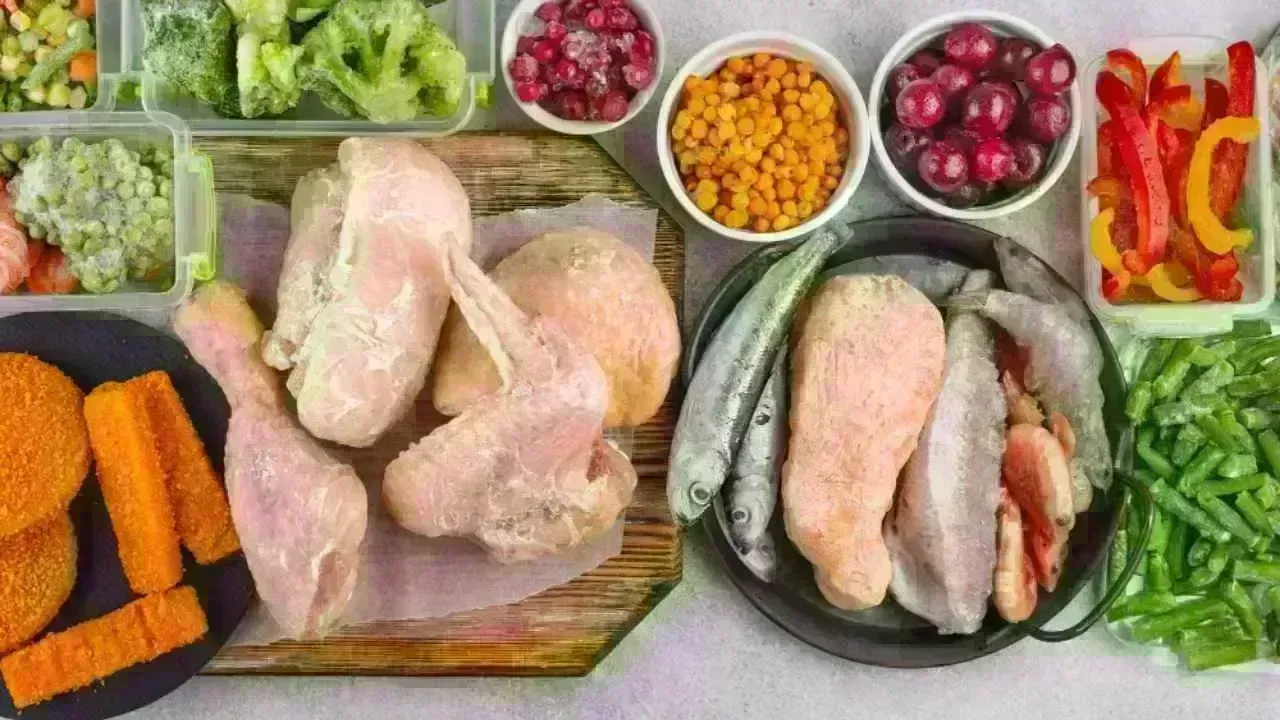
Frozen foods are often viewed negatively, with many associating them with excessive sodium, sugar, and preservatives. However, nutritionists clarify that certain frozen foods can be quite beneficial for heart health, provided you make informed selections.
Typically, frozen items are harvested at peak ripeness and rapidly frozen, preserving their nutrients. For busy lifestyles, frozen foods present a viable advantage for healthy eating. This article outlines the frozen foods to stock for a heart-friendly lifestyle.
While fresh produce is always commendable, frozen varieties offer significant perks too. Many fruits and vegetables are immediately frozen post-harvest, maintaining vital nutrients like vitamins and antioxidants.
Carefully selected frozen foods can help:
Lower bad cholesterol levels
Ease inflammation
Aid in regulating blood pressure
Save meal prep time without sacrificing nutrition
It's essential to steer clear of frozen products high in salt, sugar, or unhealthy fats.
Frozen vegetables rank among the healthiest items to have in your freezer.
Top picks include:
Spinach
Broccoli
Peas
Carrots
Green beans
These vegetables are abundant in fiber, vitamins, and antioxidants that help decrease bad cholesterol and maintain healthy blood vessels. Often, frozen varieties are just as nutritious, if not more so, as they are frozen at prime freshness.
Quick tip: Opt for plain frozen vegetables, steering clear of those with added butter, cheese, or sauces.
Frozen fruits are another convenient and heart-healthy choice.
Preferred varieties include:
Berries like strawberries, blueberries, and raspberries
Mango
Pineapple
Peaches
Berries, in particular, offer impressive cardiovascular benefits by promoting vascular health and reducing inflammation. Frozen fruits make excellent additions to smoothies, oatmeal, or as snacks.
Quick tip: Stay away from frozen fruits that include added sugars or syrup.
Fatty fish is recognized as one of the top foods for heart wellness, and frozen fish matches the freshness of its non-frozen counterparts.
Healthy options include:
Salmon
Sardines
Mackerel
These fish are rich in omega-3 fatty acids, which contribute to:
Lowering bad cholesterol
Reducing blood pressure
Decreasing heart attack risks
Frozen fish is typically more affordable and maintains its freshness for longer, which encourages regular consumption.
Quick tip: Choose unseasoned frozen fish, avoiding breaded or fried options.
Frozen beans and lentils serve as excellent sources of plant-based protein for heart health.
Notable options include:
Green peas
Edamame (soybeans)
Mixed beans
These choices are low in fat and high in fiber, helping to:
Lower cholesterol
Stabilize blood sugar
Enhance digestion
Incorporating beans and lentils into meals can significantly lower heart disease risks over time.
Certain whole grains come frozen and provide quick meal options.
Examples include:
Frozen brown rice
Frozen quinoa
Frozen whole grain mixtures
Whole grains assist in managing cholesterol and blood sugar levels while keeping you satiated longer, which supports weight management.
Quick tip: Always check labels to ensure no unnecessary salt, butter, or oil is added.
Low-fat yogurt promotes heart health by aiding digestion and cholesterol control.
Frozen yogurt cubes or plain frozen yogurt can enhance smoothies or serve as a refreshing snack.
Quick tip: Avoid sugary frozen desserts and opt for plain or low-fat varieties.
One of the prime options is meals you prepare yourself.
Nutritious homemade frozen meals can include:
Vegetable soups
Lentil or bean curry
Grilled fish portions
Stir-fried vegetables with minimal oil
Freezing home-cooked meals allows for better management of salt, oil, and portion sizes, saving time on hectic days.
Not all frozen options are heart-healthy. It is advisable to limit consumption of:
Frozen pizzas
Fried frozen snacks
Processed frozen meats
Pre-packaged meals high in salt
These food items can elevate blood pressure and cholesterol levels with frequent consumption.
Experts recommend:
Always examine nutrition labels
Select low-sodium and low-sugar products
Avoid trans fats and excessive saturated fats
Cook frozen items using healthy methods
Methods like steaming, baking, grilling, or air-frying are preferable to deep frying.
Incorporating frozen foods mindfully into your diet can complement a heart-healthy regimen. Options like frozen vegetables, fruits, fish, beans, whole grains, and homemade meals can promote cardiovascular wellness while economizing time.
Doctors emphasize a simple piece of advice: a well-stocked freezer can aid in heart protection. Selecting appropriate frozen foods today can contribute to a healthier heart tomorrow.
This article is intended for general information and public awareness and is not to be construed as medical, nutritional, or professional health advice. It should not serve as a substitute for consulting qualified healthcare professionals. Individual health conditions and dietary requirements differ. Readers are encouraged to consult a doctor, registered dietitian, or healthcare provider before making significant dietary or lifestyle changes, particularly those with heart disease, high blood pressure, diabetes, allergies, or other health issues.










Anticipated Dates for UAE Eid Al Adha 2026 Unveiled by Astronomical Experts
Experts predict Eid Al Adha 2026 in the UAE to start on May 27, prompting early holiday planning amo

DAE Achieves Remarkable Growth in Q1 2026 With Record Revenue
Dubai Aerospace Enterprise announces impressive financial results for Q1 2026, reflecting a surge in

Price Increase for Sony PS5 in Southeast Asia Effective May 1
Sony announces a price increase for the PS5 across Southeast Asia starting May 1, 2026, impacting ga

Potential ‘Super El Niño’ in 2026: Understanding the Climate Risks
Could a Super El Niño emerge in 2026? Discover its implications and potential global climate impacts

Global Energy Crisis Intensifies: Markets React to Oil Supply Challenges
Markets are on edge as oil disruptions escalate, influencing prices and economic stability. Explore

Must-See Tourist Spots in London You Can't Overlook
Explore London's essential attractions, from royal landmarks to vibrant markets, ensuring an unforge




