Post by : Sami Jeet
The 4-7-8 breathing approach offers a straightforward and efficient method to soothe your system, diminish stress hormones, and evoke immediate relaxation. Created by Dr. Andrew Weil, this technique engages controlled breathing patterns to stimulate the parasympathetic nervous system—responsible for restoring equilibrium, lowering cortisol, and reducing heart rate. This guide elaborates on how the technique functions, correct practice, and its impactful effects on the human body.
Stress activates the sympathetic nervous system, resulting in cortisol and adrenaline surging through your system. The 4-7-8 method breaks this cycle.
Reduces heart rate by enhancing oxygen circulation.
Induces the brain to transition from stress to relaxation.
Balances the nervous system by balancing CO2 and oxygen levels.
Mitigates cortisol secretion by soothing the adrenal system.
This creates an immediate calming sensation.
Optimal results are achieved when practicing with full attention.
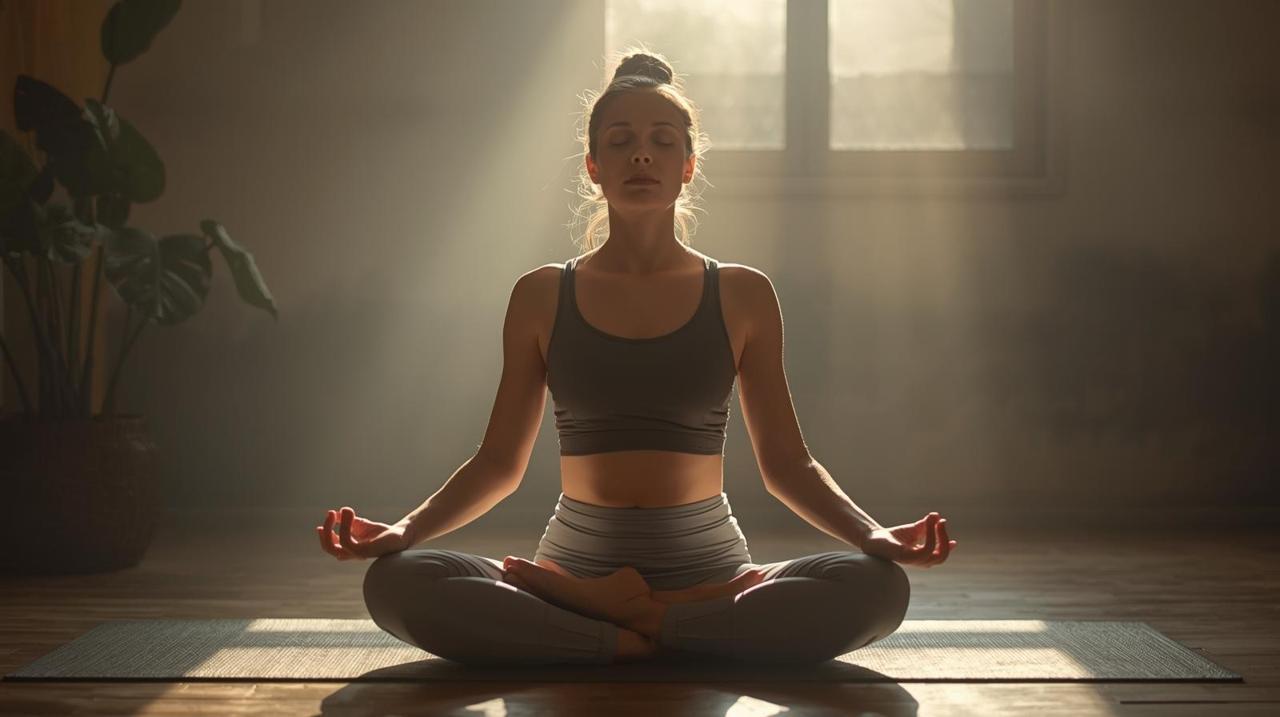
Maintain an upright position with a straight back.
Place your tongue against the ridge behind your upper teeth.
Exhale completely through your mouth with a soft “whoosh.”
Inhale quietly through your nose for 4 seconds.
Hold your breath for 7 seconds.
Exhale once more through your mouth for 8 seconds.
This concludes one cycle. Beginners should aim for four cycles, gradually increasing as comfort grows.
Managed breathing decelerates the chemical processes linked to stress.
Regulates oxygen levels in the blood, lowering stress signals.
Activates the vagus nerve, directly reducing cortisol.
Lowers blood pressure and muscle tension in mere minutes.
Enhances emotional stability by improving oxygen flow to the brain.
This method promotes longer exhalations, eliciting relaxation responses faster than typical deep breathing exercises.
This technique is easily applicable in daily scenarios where stress is unforeseen.
Before bedtime for enhanced sleep
When feeling anxious or emotionally overwhelmed
Prior to work presentations or stressful discussions
During travel, crowded settings, or high-pressure moments
After caffeine intake causing overstimulation
Practicing it twice daily fosters long-term resilience against stress.
Many individuals feel more at ease after just one minute of practice. With regular use, the benefits become increasingly pronounced.
Relaxed breathing, decreased heart rate, reduced tension
Lower baseline stress levels, improved sleep, enhanced emotional control, and greater focus.
Your body learns to transition from stress mode to calm mode more effectively over time.
Engaging in practice too rapidly, holding breath too long, or forceful exhalation can lead to dizziness.
Avoid rushing through counts.
Maintain smooth and controlled breathing.
Refrain from practicing right after heavy meals.
If feeling light-headed, pause and resume slowly.
The practice should feel calming—not overwhelming.
The 4-7-8 rhythm simulates the natural breathing pattern typical of deep sleep.
Reduces nervous system activity
Diminishes intrusive thoughts
Relaxes facial and jaw muscles
Stimulates melatonin production
Many people find themselves falling asleep mid-practice as they become more familiar with the approach.
This technique is suitable for nearly anyone, particularly beneficial for those grappling with high stress, anxiety, inadequate sleep, or hectic lifestyles.
Students facing academic pressures
Professionals overwhelmed by deadlines
Parents balancing numerous responsibilities
Individuals with insomnia or shallow breathing
Anyone experiencing emotional fatigue
It serves as a non-medication tool that can be employed anywhere.
The technique provides significant stress management; however, it should not replace treatment for chronic anxiety disorders, trauma, or other medical concerns.
It is best utilized as a supplementary daily practice that stabilizes your nervous system while supporting lifestyle adjustments.
The 4-7-8 breathing technique is an accessible and highly effective method for rapidly decreasing cortisol and centering the mind. Just one minute of focused breathing can instigate powerful relaxation responses in your body and restore emotional equilibrium. Regular practice aids in managing everyday stress, enhancing sleep, bolstering concentration, and cultivating long-lasting resilience. For those seeking to mitigate stress organically, adopting this technique stands out as one of the most straightforward and impactful choices.
This article serves to provide general wellness guidance and is not an alternative for medical advice, diagnosis, or treatments. While the 4-7-8 breathing technique is largely safe, individuals with respiratory issues, cardiovascular problems, or chronic anxiety should seek guidance from a qualified healthcare provider before initiating any new breathing practices. The author holds no responsibility for any results deriving from the application of this technique.









Anticipated Dates for UAE Eid Al Adha 2026 Unveiled by Astronomical Experts
Experts predict Eid Al Adha 2026 in the UAE to start on May 27, prompting early holiday planning amo

DAE Achieves Remarkable Growth in Q1 2026 With Record Revenue
Dubai Aerospace Enterprise announces impressive financial results for Q1 2026, reflecting a surge in

Price Increase for Sony PS5 in Southeast Asia Effective May 1
Sony announces a price increase for the PS5 across Southeast Asia starting May 1, 2026, impacting ga

Potential ‘Super El Niño’ in 2026: Understanding the Climate Risks
Could a Super El Niño emerge in 2026? Discover its implications and potential global climate impacts

Global Energy Crisis Intensifies: Markets React to Oil Supply Challenges
Markets are on edge as oil disruptions escalate, influencing prices and economic stability. Explore

Must-See Tourist Spots in London You Can't Overlook
Explore London's essential attractions, from royal landmarks to vibrant markets, ensuring an unforge




