Post by : Saif Nasser
Global financial markets are showing a surprising level of calm even as tensions in the Middle East continue to affect oil supply and trade. Recent developments, including a ceasefire extension involving Iran, have created a mixed situation where risks remain high but investor confidence has not fully collapsed.
Stock markets in major economies have moved slightly higher, with investors reacting positively to the idea of reduced conflict. At the same time, uncertainty still exists because not all sides have clearly agreed to the ceasefire. This means that while there is some relief, the risk of renewed tension has not gone away.
One of the biggest concerns for global markets is the price of oil. The ongoing conflict and disruption in key routes like the Strait of Hormuz have kept oil prices close to $100 per barrel. This is a high level compared to normal conditions and raises concerns about inflation across many countries.
When oil prices rise, the effects are felt everywhere. Transport costs increase, industries face higher expenses, and everyday goods become more expensive. This creates pressure on households and businesses alike. Governments and central banks must then decide how to respond, often facing difficult choices between controlling inflation and supporting economic growth.
Despite these risks, global markets are not reacting with panic. Investors appear to believe that the worst of the crisis may already be reflected in current prices. This means they are focusing more on other factors such as company earnings, economic data, and future growth opportunities.
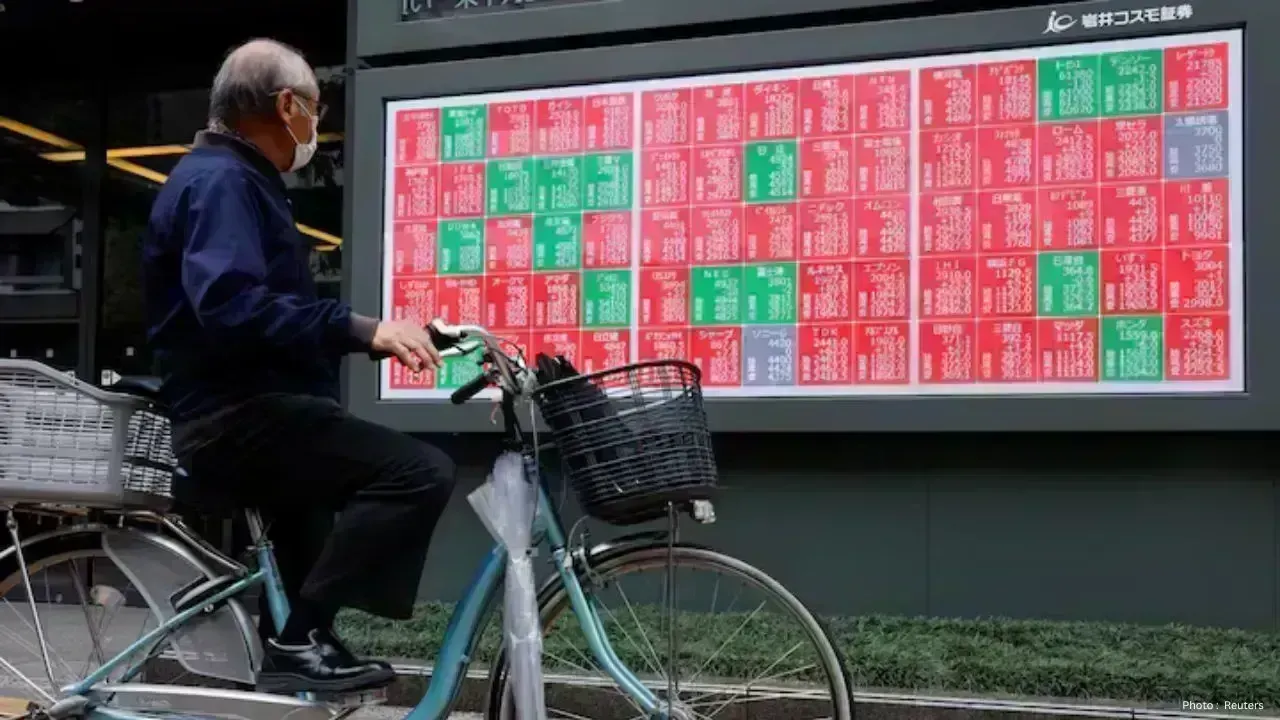
Technology stocks, especially those linked to artificial intelligence, are playing an important role in supporting market confidence. In Asia, markets have been boosted by strong performance in tech companies, with some reaching record highs. This shows that even during times of geopolitical tension, innovation and growth sectors can keep investor interest alive.
Currency markets are also showing changes. The US dollar, which usually becomes stronger during times of crisis, has started to weaken slightly. This suggests that investors are less worried about immediate risks and are looking ahead to more stable conditions.
Another important trend is the movement of money into safer assets like gold. As uncertainty continues, many investors prefer to protect their wealth by investing in assets that are seen as stable. Gold prices have risen as a result, reflecting ongoing caution in the market.
From an editorial point of view, this situation highlights the complex nature of modern global markets. In the past, a conflict of this scale might have caused sharp declines in stock markets. Today, markets are more resilient, partly because investors have more information and more tools to manage risk.
However, this calm should not be mistaken for safety. The risks remain real. The closure or disruption of key trade routes, high energy prices, and political uncertainty can still lead to sudden changes. Markets may appear stable today, but they can react quickly if the situation worsens.
Another important issue is the impact on developing countries. Rising oil prices and global inflation can hit these nations harder, as they often have fewer resources to manage economic shocks. This creates a wider gap between stronger and weaker economies.
The role of central banks is also critical in this environment. They must carefully monitor inflation and decide whether to raise interest rates or keep them stable. Any wrong decision could either slow down growth or allow inflation to rise further.
Looking ahead, much will depend on how the Middle East situation develops. If the ceasefire holds and tensions ease, markets may continue to remain stable or even improve. But if conflict returns, the impact could be much stronger.
In conclusion, global markets are showing strength and adaptability in the face of uncertainty. Investors are balancing risks with opportunities, focusing on long-term growth while keeping an eye on immediate dangers. This careful approach reflects a new reality where economic and political events are deeply connected.
The coming weeks will be important in shaping the direction of global markets. Stability is possible, but it will depend on peace, cooperation, and smart economic decisions across the world.







The Impact of Consistent Small Investments on Wealth Building
Discover how investing small amounts regularly can positively transform your financial future over t

7.5 Magnitude Earthquake Strikes Japan, Tsunami Alerts Issued
Japan experiences a hefty 7.5 quake, prompting tsunami alerts and safety measures. Stay updated on a
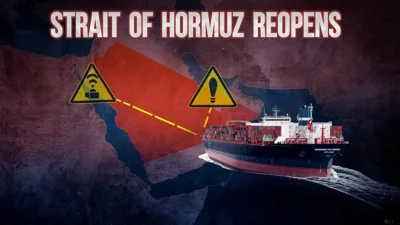
Reopening of the Strait of Hormuz: New Regulations to Impact Global Trade
Iran reopens the strategic Strait of Hormuz with new regulations affecting oil transport and global

Top 10 Must-See Attractions in NYC for First-Time Explorers
Discover essential experiences for first-time visitors to NYC, including attractions, culture, and i

Starbucks Engages Boyu Capital for Major Chinese Expansion
Starbucks teams up with Boyu Capital, selling a majority stake to boost growth and adapt to the Chin

Three Individuals Charged in Massive Meth Trafficking Case in Malaysia
In Malaysia, a married couple and another suspect are charged with trafficking 510kg of meth, facing