Post by : Saif Nasser
New peace talks between Russia and Ukraine are set to begin in Geneva, and the main problem is clear from the start — land. Who controls which territory is now the biggest and most difficult question in the war. The meetings are being supported by the United States and are taking place just days before the fourth year of the full-scale conflict. Even though both sides are sending senior officials, most observers believe a quick agreement is unlikely.
The choice of Geneva is not accidental. The city has a long history of hosting difficult international negotiations. When conflicts reach a stage where fighting alone cannot decide the outcome, talks often move to neutral ground. Geneva has served this role many times in modern history, and once again it is being used as a bridge between two sides that remain far apart.
The new meetings come after two earlier rounds in Abu Dhabi. Those talks were described as useful and respectful, but they did not produce a final deal. They helped keep communication open, but they did not solve the core disagreements. Moving the talks to Geneva shows that mediators want to raise the level of discussion and give diplomacy another serious push.
Donald Trump has been urging both sides to reach an agreement and stop the war. He has called it the largest conflict in Europe since World War II and has pushed for faster movement toward a settlement. However, pressure from outside can only go so far. Peace deals are not made by force of words alone. They require both sides to accept terms they can live with, and that point has not yet been reached.
On the Ukrainian side, Volodymyr Zelenskyy has said that his country feels heavy pressure to make concessions. He argues that the burden is not equal, because Ukraine is defending its territory while also trying to keep its economy and cities functioning. From Kyiv’s view, giving up land today could create bigger risks tomorrow. Ukrainian leaders say security and independence are more important than a fast but weak deal.
Russia, led by Vladimir Putin, currently controls about one-fifth of Ukrainian territory. This includes Crimea and large areas in the eastern Donbas region. Moscow wants Ukraine to accept new border realities and give up claims over some occupied areas. Ukraine has rejected this idea again and again. It says its borders are not open for bargaining and that forced changes cannot be accepted as legal.
This gap is why land control sits at the center of the Geneva talks. It is not a small technical matter. Territory is tied to identity, law, resources, and long-term safety. For Ukraine, lost land means lost citizens and weaker defense lines. For Russia, holding territory is seen as proof of military and political strength. Neither side wants to appear weak in front of its own people.
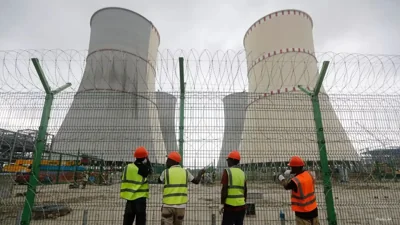
There are also other serious issues on the table. One is the future of the Zaporizhzhia nuclear power plant, which has caused global concern during the war. Any accident there could affect many countries. Control, inspection, and safety rules for that site must be clearly agreed in any serious peace framework. Another dispute is about future security guarantees. Ukraine wants strong outside support after any deal, while Russia strongly opposes foreign troops or military missions inside Ukraine.
Past negotiation rounds have also suffered from distrust. Ukrainian officials have complained that some Russian delegates focused too much on historical arguments instead of practical solutions. When talks turn into lectures instead of problem-solving sessions, progress slows down. Real negotiation requires focus on present needs and future safety, not only past disputes.
The timing of these talks carries emotional weight. Nearly four years of war have brought death, displacement, and deep economic damage. Many families have lost homes. Many towns have been reduced to ruins. Energy systems have been attacked, leaving civilians without heat and electricity during cold months. The longer the war continues, the more expensive recovery will be for the whole region.
Still, dialogue matters. Even when meetings do not produce a final deal, they reduce misunderstanding and lower the risk of sudden escalation. Most long conflicts end not in one big signing ceremony, but through many small steps — local truces, limited agreements, and repeated contact. Diplomacy is often slow and quiet, but it is necessary.
The Geneva talks show a simple truth: the war cannot end without answering the land question in a clear and acceptable way. Borders, control, and security guarantees must be defined in terms both sides can accept. That moment has not arrived yet. But continued talks keep a narrow path open. In long wars, even a narrow path is better than none.


Top 10 Must-See Attractions in NYC for First-Time Explorers
Discover essential experiences for first-time visitors to NYC, including attractions, culture, and i

Starbucks Engages Boyu Capital for Major Chinese Expansion
Starbucks teams up with Boyu Capital, selling a majority stake to boost growth and adapt to the Chin

Three Individuals Charged in Massive Meth Trafficking Case in Malaysia
In Malaysia, a married couple and another suspect are charged with trafficking 510kg of meth, facing

Singapore Police Revisit Geylang Murder Scene with Suspect
In Geylang, police return a murder suspect to the scene of a crime involving the fatal stabbing of a

Mattel Revives Masters of the Universe Action Figures Ahead of Film Launch
Mattel is reintroducing Masters of the Universe figures in line with its upcoming film, tapping into