Post by : Vansh
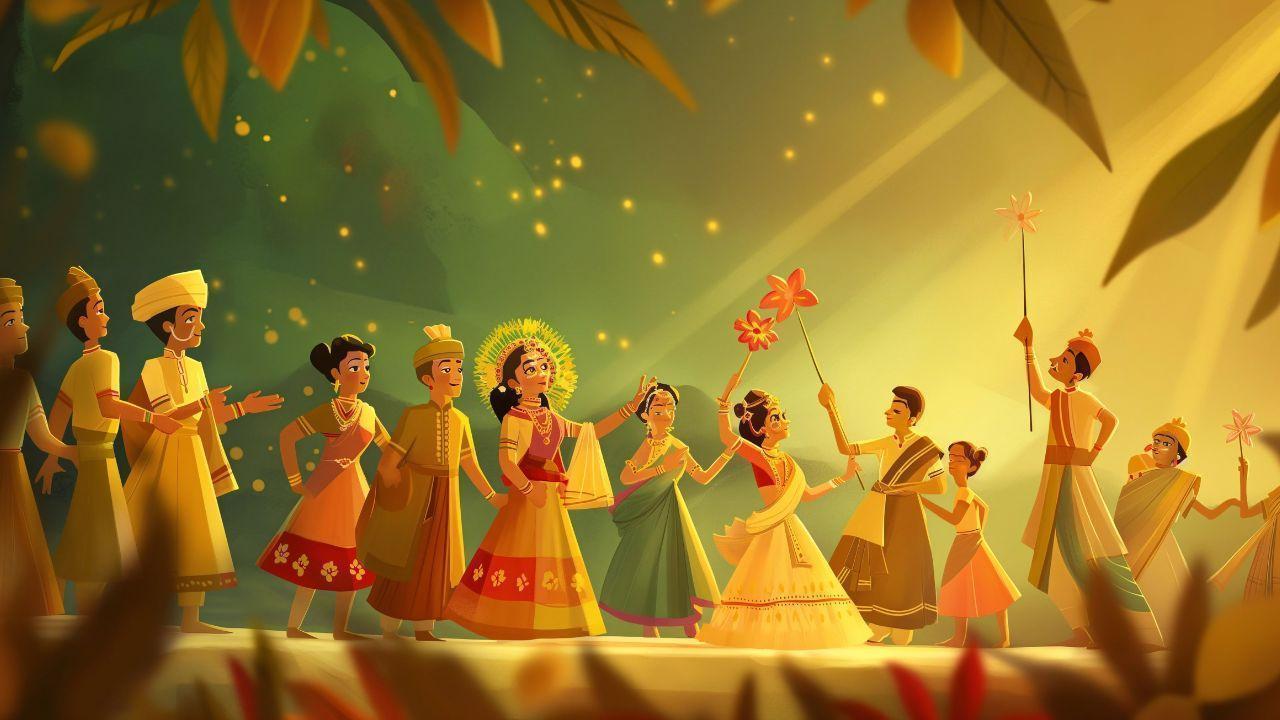
Human society has always thrived on the richness of culture and the unique ways people express themselves. From the earliest cave paintings to the latest digital art, culture reflects the heart of civilization while expressions serve as its voice. The journey from traditions to trends reveals not only how we preserve our heritage but also how we adapt to the changing world around us. This evolution highlights the significance of shared identity and the power of communication in shaping who we are today.
Traditions form the backbone of every society. They represent continuity, values, and rituals passed down through generations. Festivals, ceremonies, and storytelling have always been ways to strengthen communities while preserving collective memory. In ancient societies, cultural practices such as music, dance, and art were deeply tied to survival, spirituality, and unity.
These traditions not only guided people through life’s milestones but also created shared meaning. For instance, harvest festivals celebrated food security, while rituals of marriage and birth emphasized the importance of family. Such cultural elements gave structure and purpose to life. This shows how culture has always been more than just entertainment—it has been a survival tool and a binding force.
Human expressions—whether verbal, artistic, or symbolic—have long been the mirror of individuality and community. From tribal dances in Africa to intricate henna designs in South Asia, expressions convey emotions, beliefs, and values that words alone cannot capture. These forms of creativity become living proof of who we are and what we stand for.
For example, the Japanese tea ceremony embodies discipline and respect, while Latin American murals reflect political struggles and cultural pride. In modern times, memes and digital art have become contemporary tools of expression, showing how adaptable and powerful the concept remains. No matter the medium, expressions remain a universal language that connects people across different geographies and generations.
The modern era introduced rapid technological and social changes that transformed the way culture and expressions are perceived. Where once traditions dominated, now trends often take the spotlight. Fashion, music, and language evolve faster than ever, creating waves of influence that can spread globally within days.
Pop culture is a perfect example of this transformation. What was once localized in communities has now become a global stage. K-pop from South Korea influences teenagers in Europe and America, while hip-hop, born in the Bronx, has become a worldwide cultural movement. Similarly, digital platforms such as TikTok and Instagram have turned everyday individuals into influencers who set new cultural standards.
The speed of trends reflects the dynamic nature of modern society but also poses the risk of losing touch with deeper roots. Balancing the evolution of culture with respect for traditions becomes a crucial conversation for societies worldwide.
Globalization has blurred borders and created cultural exchanges on an unprecedented scale. Dishes, dances, languages, and even festivals are no longer confined to their countries of origin. Sushi is loved in New York, yoga is practiced in Paris, and Diwali is celebrated in London. These examples highlight how shared appreciation has made the world smaller and more connected.
Expressions in this global age are hybrid and diverse. Fashion blends traditional fabrics with modern designs, while music fuses different genres to appeal to cross-cultural audiences. These forms of human expressions not only promote inclusivity but also give rise to new identities that transcend geography. Yet, the challenge remains: how do we celebrate fusion without erasing authenticity?
Disclaimer:
The views and perspectives shared in this article are intended for informational and educational purposes only. Cultural discussions often vary depending on personal, regional, and historical contexts. Readers are encouraged to appreciate diverse perspectives and explore further resources for deeper understanding. The responsibility for individual interpretations rests with the readers. This content is presented by GCC news network.






Anticipated Dates for UAE Eid Al Adha 2026 Unveiled by Astronomical Experts
Experts predict Eid Al Adha 2026 in the UAE to start on May 27, prompting early holiday planning amo

DAE Achieves Remarkable Growth in Q1 2026 With Record Revenue
Dubai Aerospace Enterprise announces impressive financial results for Q1 2026, reflecting a surge in

Price Increase for Sony PS5 in Southeast Asia Effective May 1
Sony announces a price increase for the PS5 across Southeast Asia starting May 1, 2026, impacting ga

Potential ‘Super El Niño’ in 2026: Understanding the Climate Risks
Could a Super El Niño emerge in 2026? Discover its implications and potential global climate impacts

Global Energy Crisis Intensifies: Markets React to Oil Supply Challenges
Markets are on edge as oil disruptions escalate, influencing prices and economic stability. Explore

Must-See Tourist Spots in London You Can't Overlook
Explore London's essential attractions, from royal landmarks to vibrant markets, ensuring an unforge




