Post by : Raina Nasser
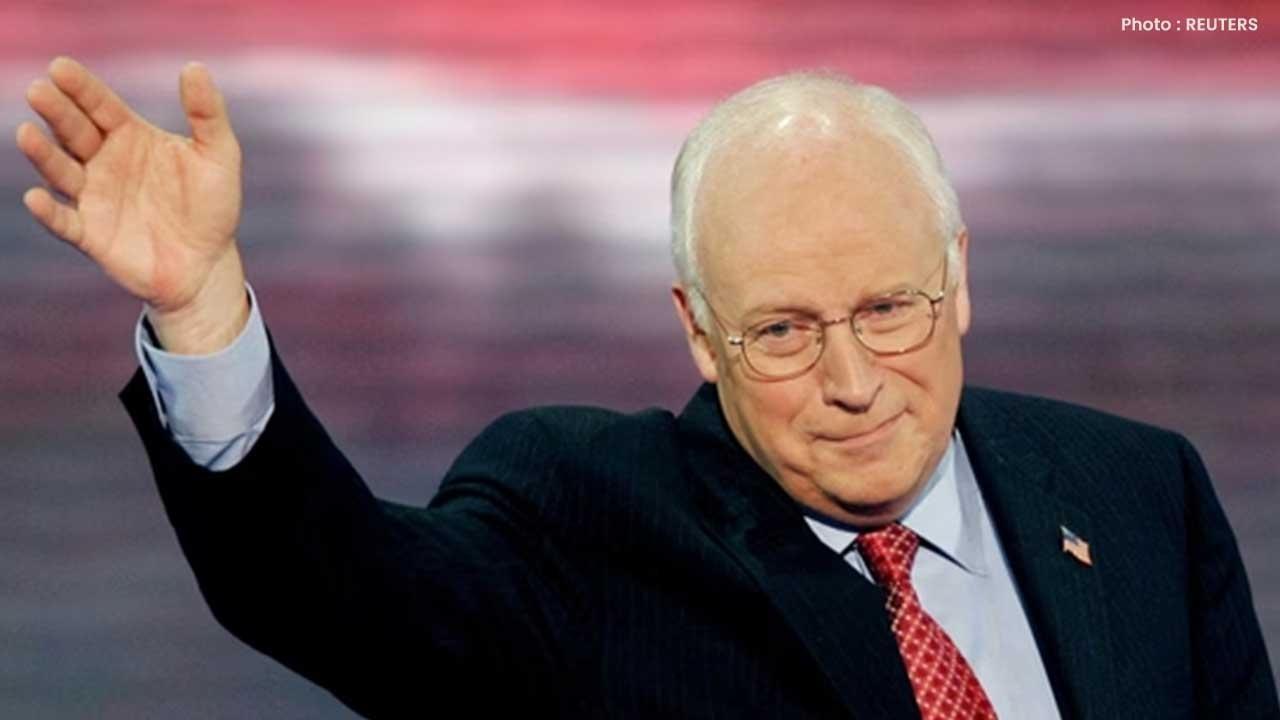
Former Vice President Dick Cheney, a central and often polarising figure in US policy-making after 9/11, has died at the age of 84. His family said he succumbed to complications from pneumonia alongside longstanding cardiac and vascular illness.
Mr Cheney's death prompted responses across the political spectrum. Former President George W. Bush, who served with Cheney from 2001 to 2009, described the loss as "a loss to the nation and a sorrow to his friends," praising him as one of the most dedicated public servants of his generation and noting his commitment to American security and freedom.
Condoleezza Rice, who was Secretary of State during the Bush years, paid tribute to Cheney's integrity and mentorship in public life. Former President Bill Clinton, despite political disagreements, acknowledged Cheney's sense of duty. Republican House Speaker Mike Johnson urged the country to recognise Cheney's contributions to national service.
Born in Lincoln, Nebraska, in 1941, Cheney attended Yale University on scholarship before later earning a master's degree in political science from the University of Wyoming. He entered Washington politics in 1968, rose quickly through administration ranks and, at 34, became Chief of Staff to President Gerald Ford. He subsequently served as Secretary of Defense under President George H.W. Bush, overseeing Pentagon operations during the 1990–91 Gulf War.
As vice president, Cheney reshaped the role into a powerful force in foreign policy and national security. He was a leading architect of the US response to the September 11 attacks, advocating military campaigns in Afghanistan and Iraq and promoting policies that formed the backbone of the "war on terror." His insistence on the existence of Iraqi weapons of mass destruction and alleged ties to al-Qaeda played a significant role in the 2003 invasion — a decision that remains deeply disputed for its human and geopolitical consequences.
In later years, Cheney broke with parts of his party, publicly criticising former President Donald Trump over concerns about foreign interference and the protection of democratic institutions. In 2024, he endorsed Democratic Vice President Kamala Harris, warning that Trump represented a serious threat to the republic.
Cheney's health was fragile for decades. He suffered his first heart attack in 1978 and faced recurrent cardiac problems, culminating in a full heart transplant in 2012. He is survived by his wife Lynne, daughters Liz and Mary Cheney, and seven grandchildren.
Cheney leaves a complex legacy: significant influence on US defense and security policy as well as enduring controversy over the Iraq War and counterterrorism measures. His death has prompted reflection on both his role in shaping modern American strategy and the broader consequences of the policies he helped advance.







Mattel Revives Masters of the Universe Action Figures Ahead of Film Launch
Mattel is reintroducing Masters of the Universe figures in line with its upcoming film, tapping into

China Executes 11 Members of Criminal Clan Linked to Myanmar Scam
China has executed 11 criminals associated with the Ming family, known for major scams and human tra
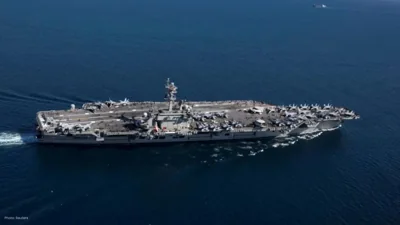
US Issues Alarm to Iran as Military Forces Deploy in Gulf Region
With a significant military presence in the Gulf, Trump urges Iran to negotiate a nuclear deal or fa

Copper Prices Reach Unprecedented Highs Amid Geopolitical Turmoil
Copper prices soar to all-time highs as geopolitical tensions and a weakening dollar boost investor

New Zealand Secures First Win Against India, Triumph by 50 Runs
New Zealand won the 4th T20I against India by 50 runs in Vizag. Despite Dube's impressive 65, India