Post by : Bianca Suleiman
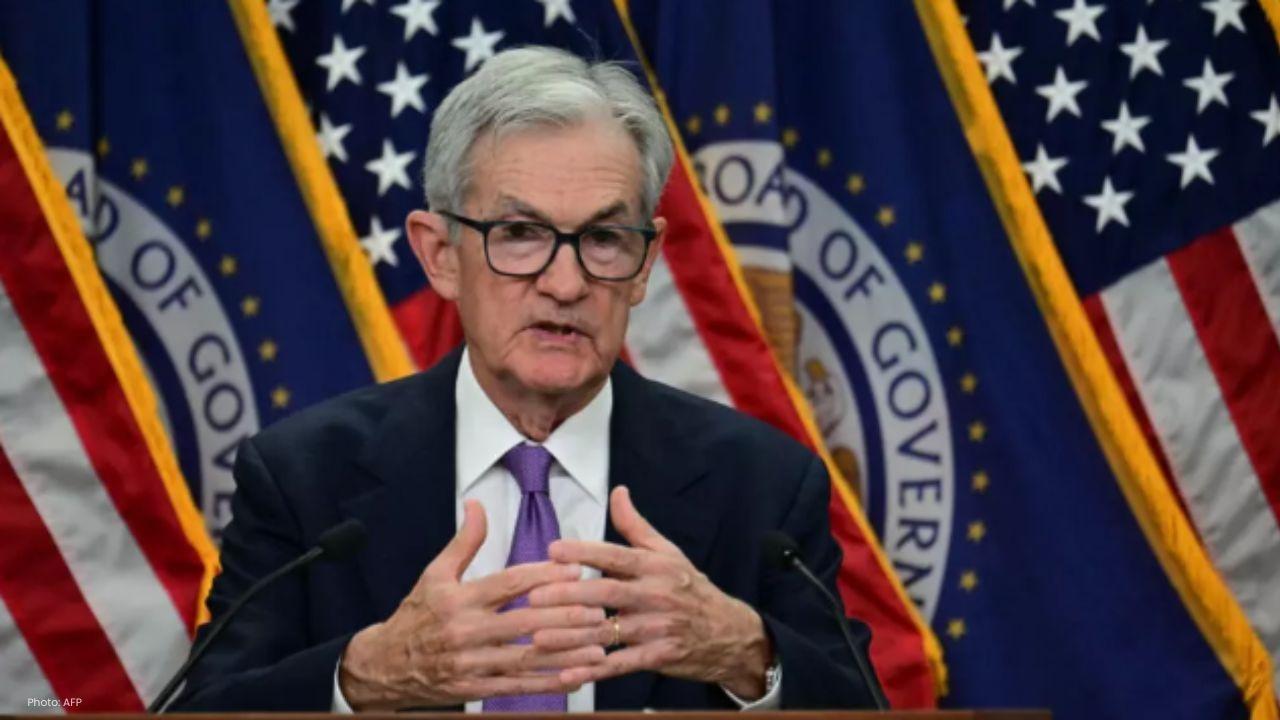
The Federal Reserve is currently facing significant economic challenges, with a growing divide among policymakers regarding interest rate strategies as the U.S. economy tackles various pressures. Insights from the October 28-29 meeting reveal that although recent cuts were implemented to bolster growth, uncertainties related to inflation and labor market conditions have hindered consensus.
Officials approved a second rate cut this year, lowering the benchmark rate to between 3.75% and 4.0%. However, the forthcoming decision in December is uncertain as some members question if an additional 25 basis point decrease is the most prudent move. The prolonged government shutdown from October to mid-November has further complicated the Fed's perspective, pausing critical economic data releases and enveloping both policymakers and businesses in ambiguity.
The minutes indicate that while the majority anticipate that rate cuts will be necessary over time, significant differences remain regarding the timing and extent of such adjustments. Some officials predict inflation may rise in the near term due to the continuing impact of U.S. tariffs on product prices, while others advocate for caution, citing an incomplete economic data landscape.
Labor market dynamics have also influenced the ongoing debate. Fed members generally foresee a gradual cooling of the labor market, as companies exhibit reluctance to hire or terminate employees in the current environment. Expenditure patterns are increasingly disproportionate, with wealthier households sustaining spending, while lower-income families adapt to rising prices and economic unease.
During the October session, 10 out of 12 voting FOMC members supported a 25 basis point cut, while Fed Governor Stephen Miran advocated for a more significant 50 basis point reduction, and Kansas City Fed President Jeffrey Schmid preferred to maintain current rates. This divergence emphasizes the challenges involved in guiding U.S. monetary policy amid prevailing trade tensions and mixed economic signals.
As the Fed contemplates its upcoming actions, the minutes reveal that careful deliberation will be crucial in addressing inflationary threats, evolving labor market trends, and tariff ramifications—all while striving to stabilize markets.










DAE Achieves Remarkable Growth in Q1 2026 With Record Revenue
Dubai Aerospace Enterprise announces impressive financial results for Q1 2026, reflecting a surge in

Price Increase for Sony PS5 in Southeast Asia Effective May 1
Sony announces a price increase for the PS5 across Southeast Asia starting May 1, 2026, impacting ga

Potential ‘Super El Niño’ in 2026: Understanding the Climate Risks
Could a Super El Niño emerge in 2026? Discover its implications and potential global climate impacts

Global Energy Crisis Intensifies: Markets React to Oil Supply Challenges
Markets are on edge as oil disruptions escalate, influencing prices and economic stability. Explore

Must-See Tourist Spots in London You Can't Overlook
Explore London's essential attractions, from royal landmarks to vibrant markets, ensuring an unforge

Ultimate Guide to Snagging Cheap Flights in 2026
Unlock the secrets to booking affordable flights in 2026 with insightful tips and strategies tailore




