Post by : Saif Nasser
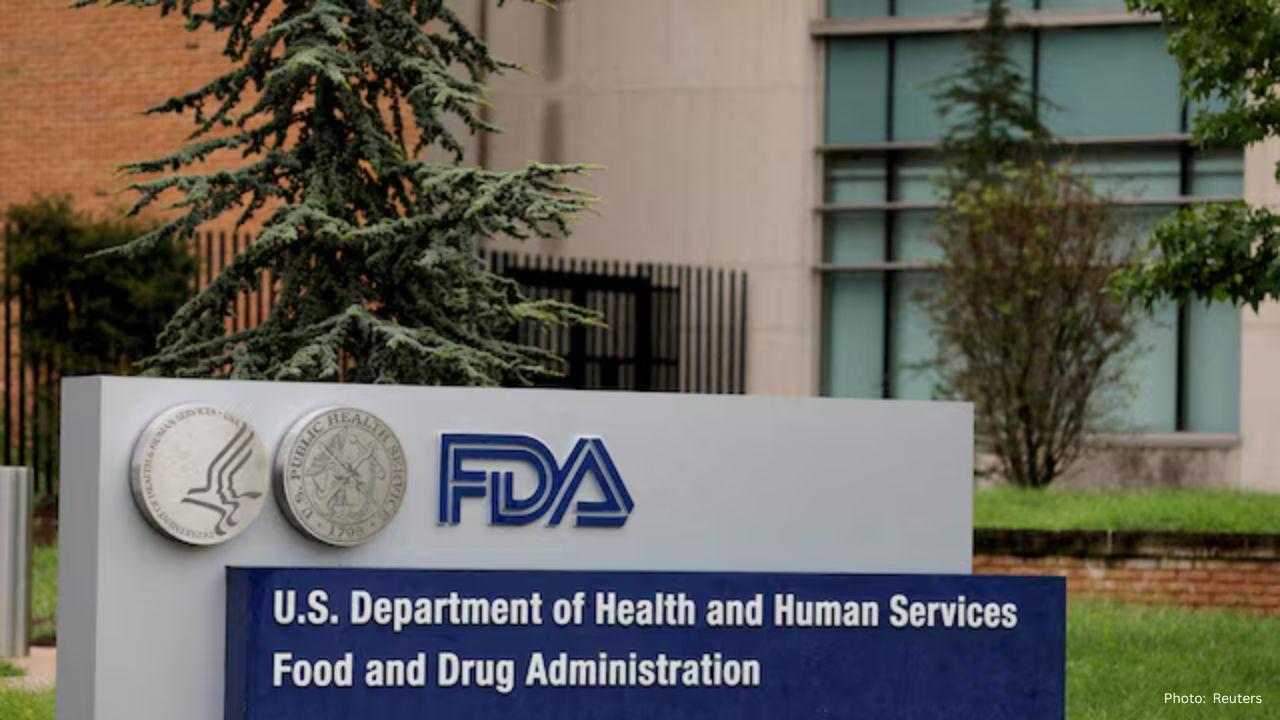
The United States has taken an important step in mental health care. The Food and Drug Administration (FDA) has approved the first at-home brain stimulation device to treat depression. This new tool, created by Flow Neuroscience, could give millions of people a safer and more convenient option than traditional antidepressant medicines.
Depression has become a major health concern in the country. According to the Centers for Disease Control and Prevention (CDC), depression rates have risen by almost 60% in the past ten years. Today, more than 20 million adults in the U.S. struggle with this condition. Many depend on long-term medication, which can lead to side effects that make daily life difficult. Because of this, doctors and patients have been searching for more effective and gentle treatments.
Flow Neuroscience’s device, called the FL-100, offers a different approach. It uses a mild electrical current to stimulate the part of the brain responsible for mood. This method, known as transcranial direct current stimulation (tDCS), has been studied for years. What makes the FL-100 special is that it is designed for home use. Patients can use it from the comfort of their homes while being supervised remotely by medical professionals.
The FDA cleared the device for adults aged 18 and older who suffer from moderate to severe major depressive disorder. It can be used alone or along with therapy or medication. However, it is not meant for people whose depression is considered resistant to medication.
Flow plans to bring the device to the U.S. market in the second quarter of 2026. It will require a doctor’s prescription, and the company expects the price to be between $500 and $800. Flow’s CEO, Erin Lee, said the company is already working with insurance providers to discuss coverage options, with more details expected in early 2026. If insurance companies agree to cover the device, it may become more affordable for many patients.
The FL-100 is not new to the world. More than 55,000 people in Europe, the United Kingdom, Switzerland, and Hong Kong have already used it. The FDA approval was based on a detailed clinical study. In this study, 58% of patients reached remission after 10 weeks of treatment, even if they were already taking medication or receiving therapy. According to Flow, global users have also shown strong results, with 77% reporting improvement within three weeks.
The treatment usually lasts for 12 weeks. During the first three weeks, patients use the device five times a week. After that, they continue with two or three sessions per week for the remaining nine weeks. Each session lasts about 30 minutes, making it easy to fit into daily routines.
Flow says that the device is generally safe. Most side effects are mild and temporary. These include slight skin irritation, headaches, or tingling around the area where the pads are placed. However, the company warned that skin burns can happen if the pads are reused or become too dry. Proper instructions and careful use are important to prevent problems.
The approval of the FL-100 marks a major moment for mental health care in the United States. While antidepressants and therapy remain essential, this new device gives patients an additional, non-drug option. It may help reduce the stigma around depression by making treatment more accessible and flexible.
As depression continues to rise, new solutions like the FL-100 show how science and technology can work together to improve lives. If the device proves successful in the U.S., it could become a regular part of depression care and bring hope to many who have struggled to find relief.










Achieve Radiant Skin with This Simple Rice Flour Treatment
Transform your skincare routine! Discover how a rice flour mix can restore your skin's glow without

Meta Unveils Subscription Plans for Instagram, Facebook, and WhatsApp
Meta introduces new subscription plans for users of Instagram, Facebook, and WhatsApp, featuring enh

Suvarna Joy on Education Leadership, Resilience, and Building Purpose Through Adversity in the UAE
Suvarna Joy shares her journey of education leadership, motherhood, faith, and resilience within the

Anticipated Dates for UAE Eid Al Adha 2026 Unveiled by Astronomical Experts
Experts predict Eid Al Adha 2026 in the UAE to start on May 27, prompting early holiday planning amo

DAE Achieves Remarkable Growth in Q1 2026 With Record Revenue
Dubai Aerospace Enterprise announces impressive financial results for Q1 2026, reflecting a surge in

Price Increase for Sony PS5 in Southeast Asia Effective May 1
Sony announces a price increase for the PS5 across Southeast Asia starting May 1, 2026, impacting ga




